
Last updated November 14, 2026
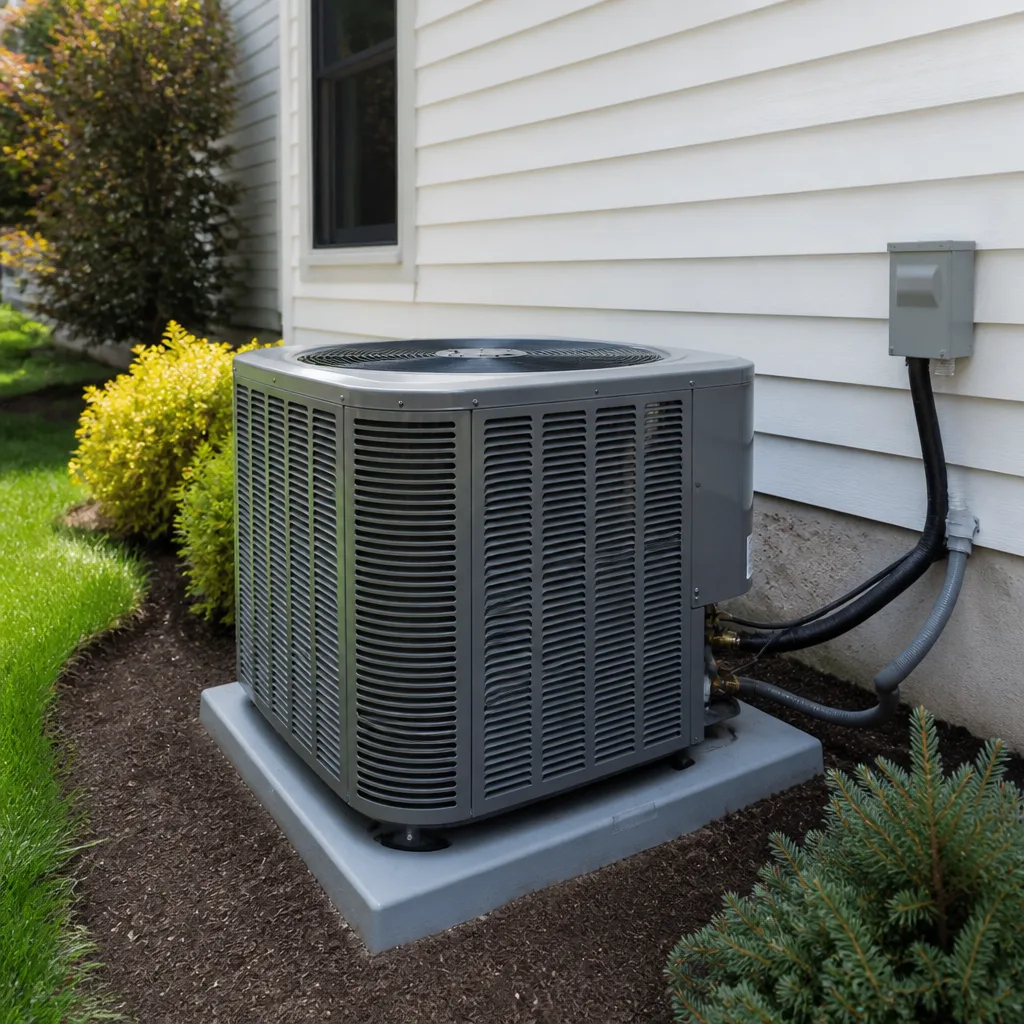 AC repair
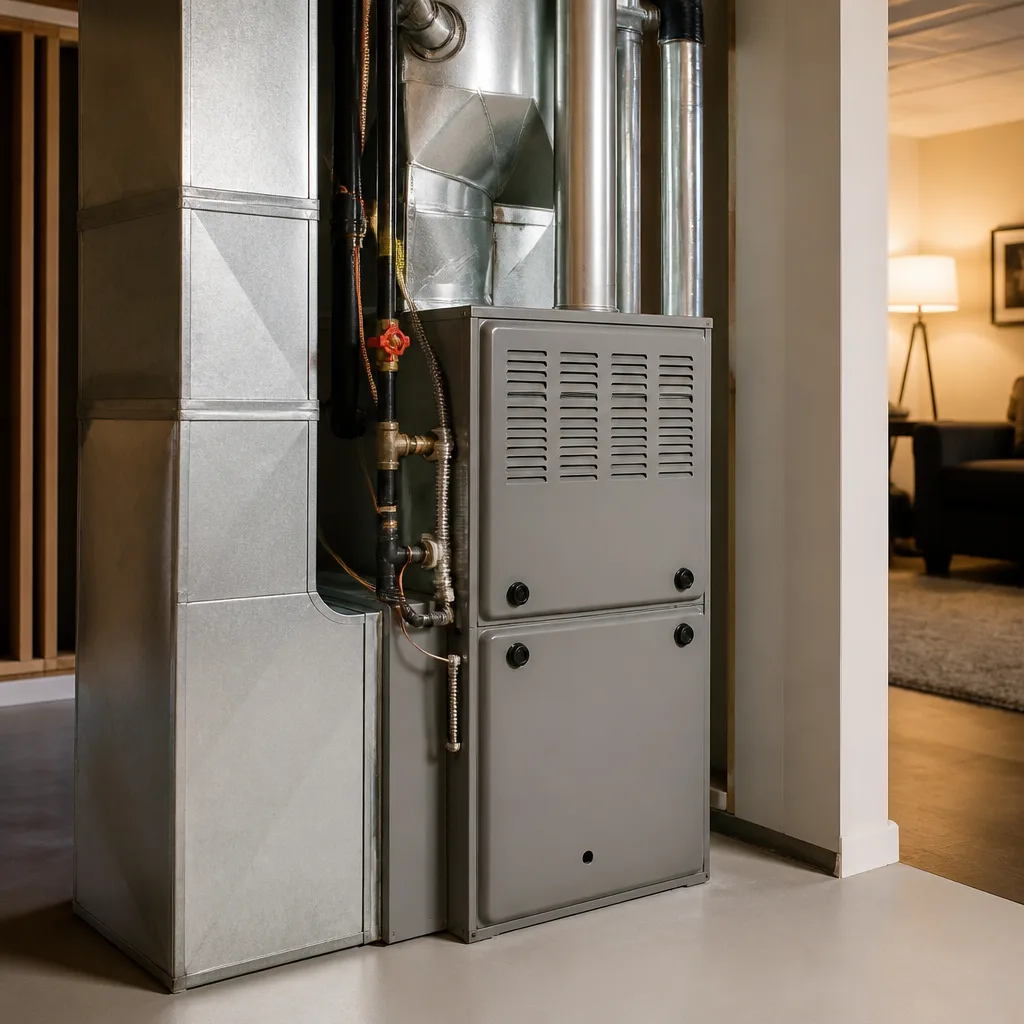 Furnace & heating
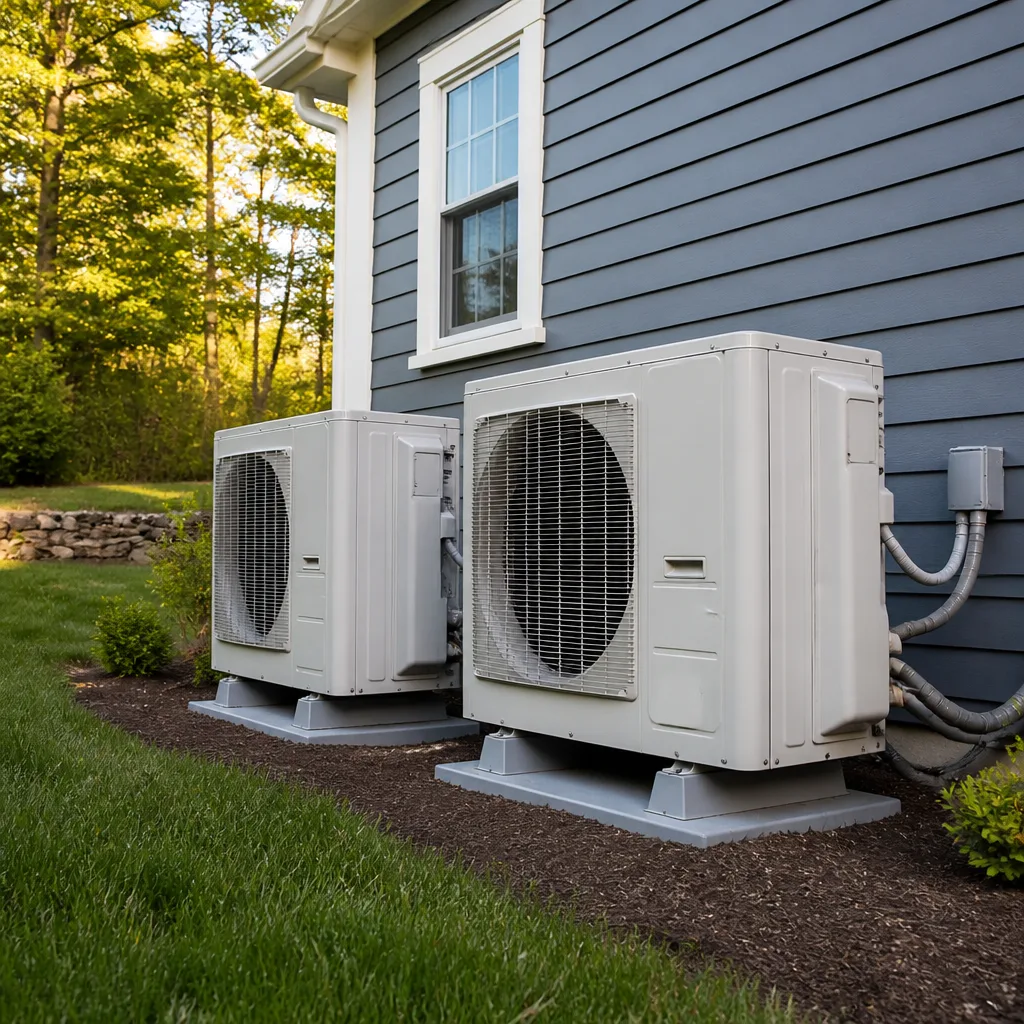 Heat pumps
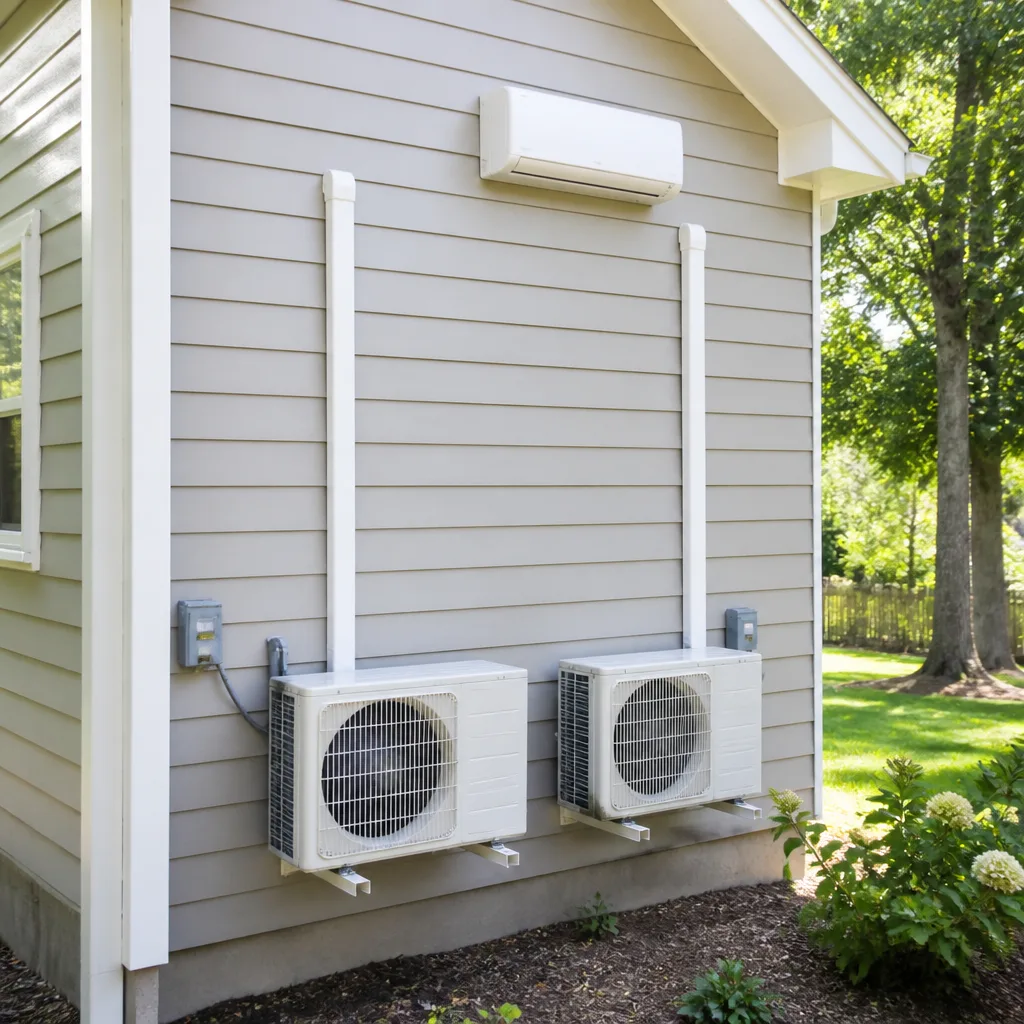 Ductless mini splits
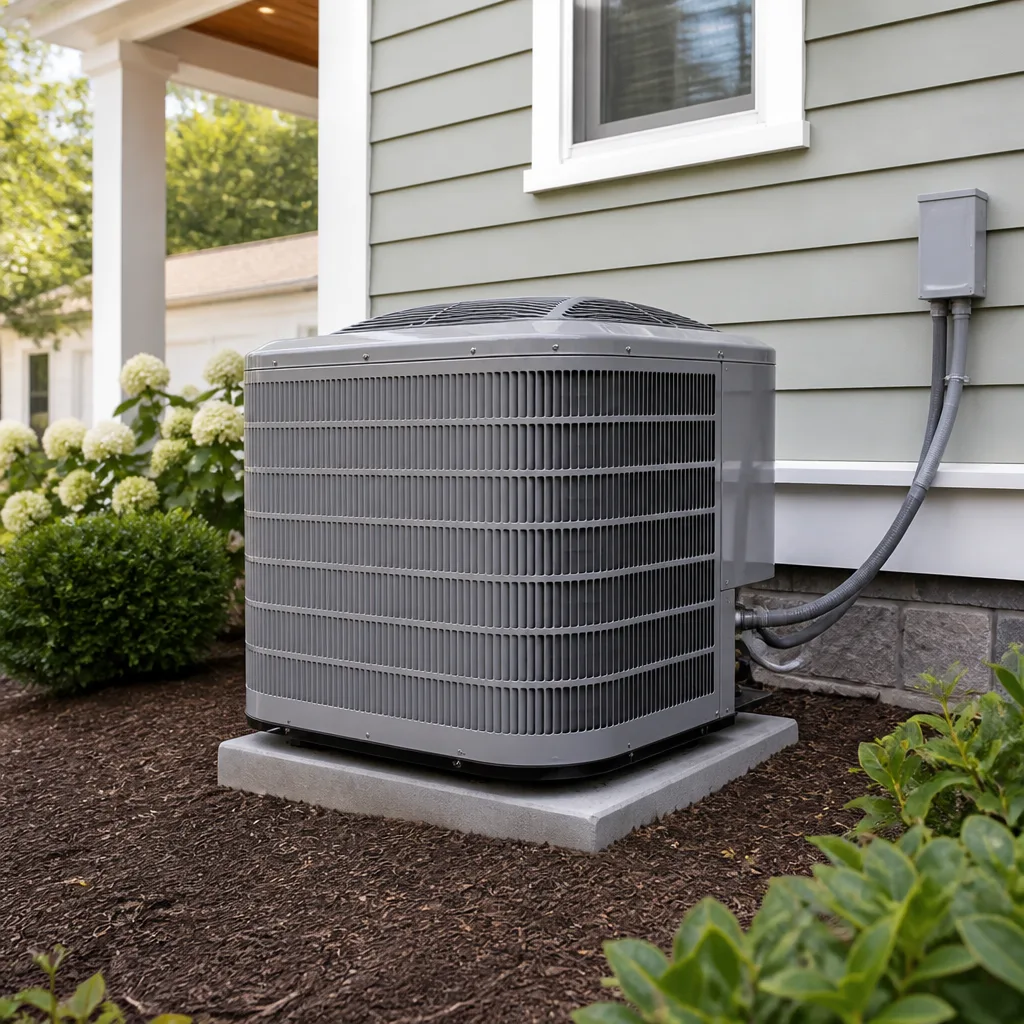 Carrier
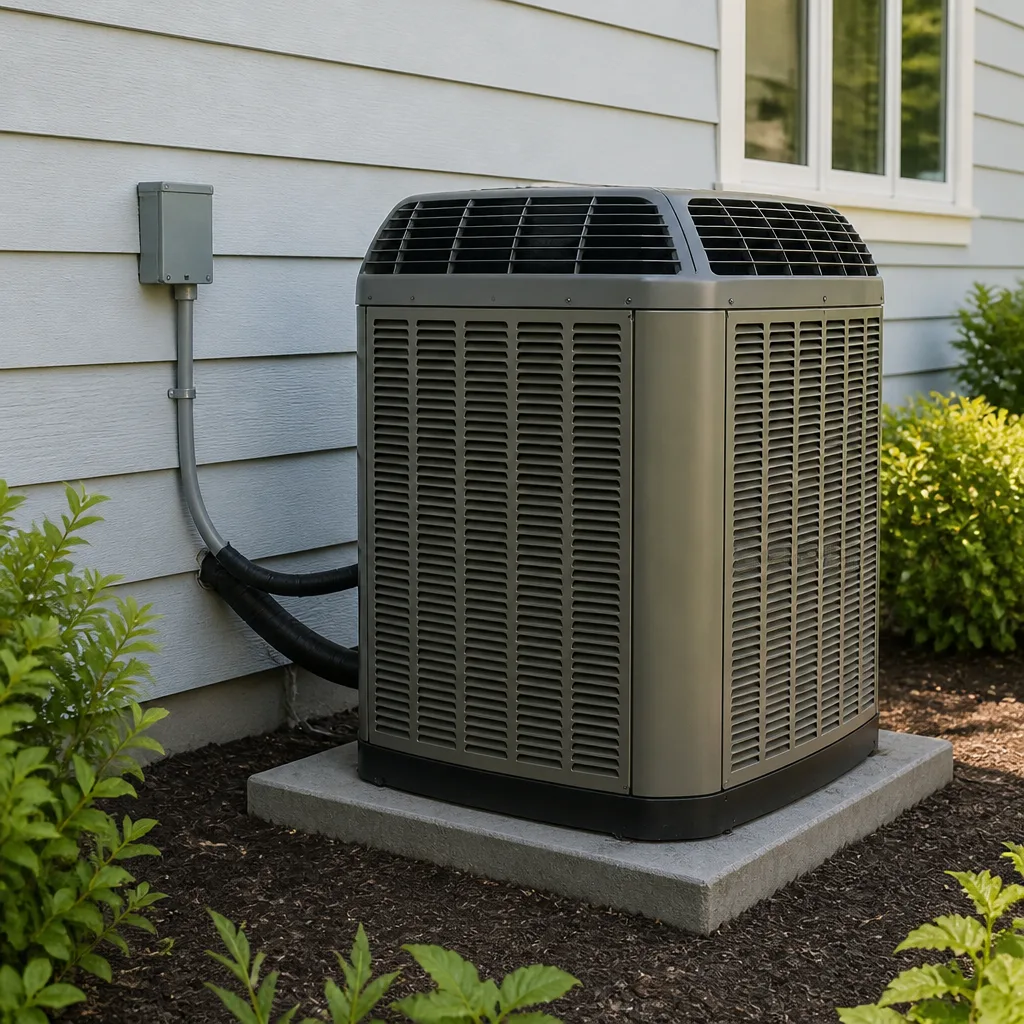 Trane
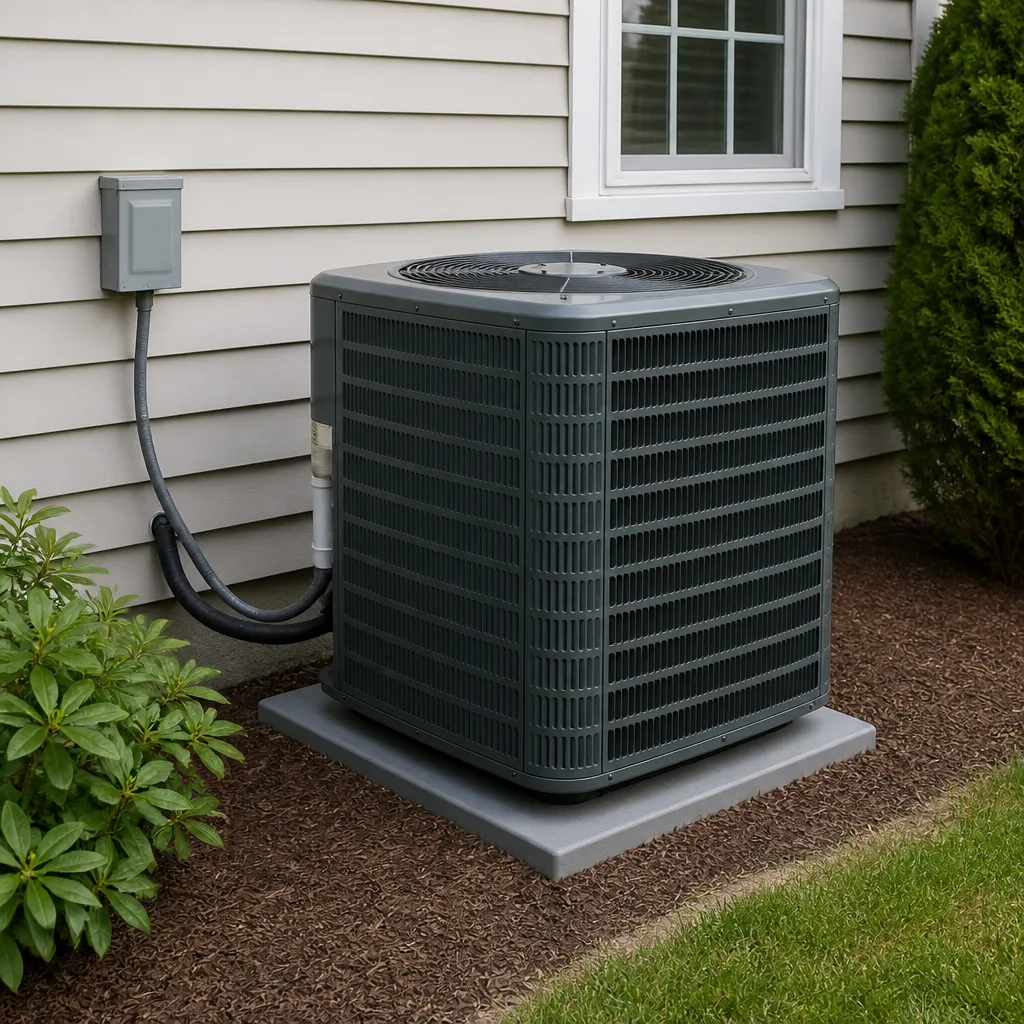 Goodman
Seasonal tune-up and full diagnostic on your Carrier, Trane, or Goodman system - readings shown to you before any repair is proposed
Diagnosis first, numbers second - you approve the repair price before a single part goes in.
Get your free estimateSeasonal HVAC Care for Irving: Year-Round Homeowner’s Guide
Most seasonal HVAC guides walk you through four equal seasons. Irving doesn’t work that way. What we actually have is a long cooling season that starts early and runs deep into fall, a short but real heating window, and two shoulder months where the system sits mostly idle and the indoor air does strange things. Homeowners who prep a heat pump in October and then don’t touch it until January get caught when a rare ice event rolls through in February and the one system they need hasn’t run in weeks. This guide is built around Irving’s real calendar, not the template. You’ll learn what matters in each window, what to do before first cooling demand, and which tasks protect the equipment without spending on heating infrastructure you’ll rarely use.
Quick Answer
Year-round HVAC care in Irving means treating March and April as the most important maintenance window of the year, checking the heating side once before the brief winter window, and managing humidity and thermostat scheduling through the two shoulder months when neither heating nor cooling runs regularly. The March-to-April tune-up catches problems before the long cooling season stresses the system, and a fall check keeps the heating side ready for the occasional freeze.
Styles & brands we work with
- AC repair
- Furnace & heating
- Heat pumps
- Ductless mini splits
- Carrier
- Trane
- Goodman
Table of Contents
- Why Irving’s HVAC Calendar Isn’t Four Equal Seasons
- March and April: The Most Important Window
- Summer: Protecting the Compressor Through the Long Cooling Season
- The Fall Transition: From Cooling to Heating
- Winter: Preparing for the Occasional Freeze
- Humidity Management in the Shoulder Months
- Seasonal Thermostat Scheduling and Compressor Wear
- A Simple Filter and Maintenance Calendar
Why Irving’s HVAC Calendar Isn’t Four Equal Seasons
When someone searches for seasonal HVAC maintenance in Irving TX year round, they usually expect a symmetrical plan: spring, summer, fall, winter, each with its own checklist. The climate here doesn’t cooperate with that. Cooling demand dominates. The heating season is short, and it isn’t a steady stretch of cold weather so much as a couple of genuinely cold weeks punctuated by mild stretches. That shape changes what maintenance actually matters.
In practical terms, the year breaks down like this:
- Long cooling season: March through October, with the heaviest load in the middle months. This is where the system does most of its work and where most wear accumulates.
- Heating window: Roughly December through February, with real heating demand concentrated into a handful of cold snaps.
- Shoulder months: Late fall and early spring, when neither heating nor cooling runs consistently and indoor humidity can climb even though the outdoor air feels comfortable.
That imbalance explains a pattern we see often. A homeowner invests in heating prep in October, runs the system a few times, then leaves it alone. February arrives with an ice event, and the heating side that sat untouched for weeks is the thing that fails. The fix isn’t more heating infrastructure. It’s checking the heating side in the right order and at the right time, which we’ll get to. The point is that Irving’s maintenance calendar should follow the actual demand curve, not a seasonal template lifted from a colder climate.
If you’re new to the area or new to a home with a named-brand system, it also helps to get familiar with the local service landscape. Our Irving page covers the basics of who we are and what we work on. The rest of this guide is organized around the actual seasons, in the order you’ll experience them.
March and April: The Most Important Window
If you do one thing for your HVAC system this year, do it before the first real cooling demand. March and April are the window where a tuned system goes into the long cooling season in good shape, and where a neglected one goes in carrying problems that get worse once the compressor is working hard every day. In our experience, the systems that fail in July were usually already showing signs in April.
Here’s what needs to happen before first cooling demand:
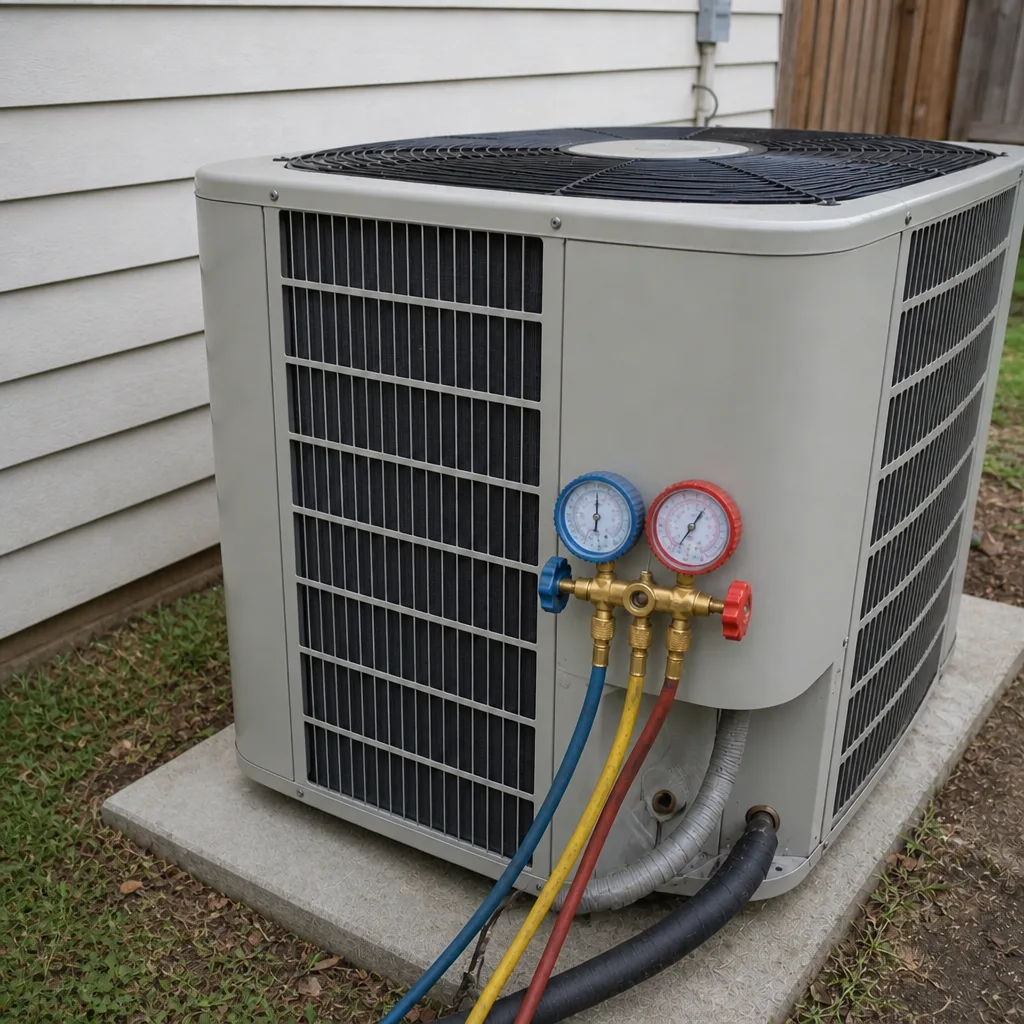
- Check the refrigerant charge. A system running low on refrigerant works harder and runs longer. A technician should verify the charge before the cooling season starts, not after a mid-summer breakdown.
- Clean or replace the air filter. A clogged filter restricts airflow, which stresses the blower and the compressor. This is the single easiest task on the list and the one most often skipped.
- Inspect and clear the condensate drain. In a humid cooling season, a clogged drain line causes water damage and can shut the system down. Clear it before the season begins.
- Test the capacitor and contactor. These are common failure points on hot days. A technician can check them before they fail rather than after.
- Wash the outdoor condenser coil. Coils collect debris over the off-season. A clean coil sheds heat better and uses less energy.
- Run a full cycle test. Turn the system on and let it run through a complete cycle. This confirms the thermostat, blower, and compressor all communicate properly before you need them.
One more thing that matters in Irving: the spring pollen load. Outdoor coils in this part of North Texas collect a fine layer of pollen and dust through the spring, and a coil that looked clean in April can be clogged by June. If your system uses a Carrier or Trane condenser with a tightly spaced coil, ask the technician to look at it during the spring visit. Factory-familiar technicians know how each manufacturer’s coil is laid out and which ones collect debris fastest. That’s part of why we stay trained across nine major brands, including Bryant and American Standard. You shouldn’t have to explain your equipment to your technician.
If the March check turns up a problem that can’t be fixed economically, this is also the right time to plan for AC installation before the cooling season arrives, rather than mid-July when you’re waiting in the heat.
Summer: Protecting the Compressor Through the Long Cooling Season
The compressor is the hardest-working and most expensive component in your system. In a cooling season that runs most of the year, it accumulates hours quickly. Most summer maintenance is about reducing the load on the compressor and catching wear before it turns into a failure.
During the peak cooling months, keep an eye on these:
- Filter discipline. Change the filter every month to six weeks during peak cooling. This is the highest-value, lowest-cost task on the entire calendar.
- Outdoor unit clearance. Keep at least a couple of feet of clear space around the condenser so it can shed heat. Shrubs, stored items, and debris all reduce efficiency.
- Condensate line check. Look at the drain pan and line every few weeks. Algae grows in the line during a humid summer and blocks flow.
- Listen to the system. New noises, rattles, or short cycling are early warnings. A system that shuts off before the house reaches the set temperature is asking for attention.
- Watch for ice on the indoor coil. Ice means restricted airflow or low refrigerant. It’s a repair signal, not a sign the system is doing a good job.
When the system does need attention, the earlier it’s caught the better. Our AC repair service is built around diagnosis first, fix second. Brand-neutral diagnostics matter here. A technician who recommends repair or replacement based on your system’s actual condition, rather than on getting a particular brand installed, will give you a straight answer about whether a given compressor is worth saving.
If your system is a Goodman, Rheem, or York unit and you’ve been told it can’t be serviced, get a second opinion from someone who works on those brands regularly. We cover all three, along with Carrier, Trane, Lennox, Daikin, Bryant, and American Standard. Knowing the equipment before you arrive tends to save the homeowner a diagnosis.
The Fall Transition: From Cooling to Heating
The cool-down from summer to winter is where a lot of systems quietly go wrong. The outdoor temperature drops, cooling demand fades, heating hasn’t started, and the system sits. That idle stretch is when small issues harden into problems and when the heating side quietly fails without anyone noticing.
Here’s the specific fall task list for Irving:
- Do a full heating-mode test. Switch the thermostat to heat and let it run for at least fifteen minutes. Confirm warm air is coming from the vents. A heat pump that hasn’t run since last winter can fail on the first call, and you want that to happen in October, not during a February ice event.
- Inspect the heat exchanger or heat pump outdoor unit. A gas furnace’s heat exchanger should be checked by a technician for cracks. A heat pump’s outdoor unit should be cleared of debris and checked for proper defrost operation.
- Check the igniter and flame sensor on gas furnaces. These are common failure points and cheap to replace before they strand you.
- Verify the thermostat schedules. If you’ve been on a summer cooling schedule, switch to a fall schedule with a lower cooling call and a heating setpoint you can live with.
- Clear the area around the furnace. Stored items, paint cans, and cardboard near a furnace are a fire risk. Clear the space.
- Test the CO detectors. A heating check is also a good moment to make sure carbon monoxide detectors are working. This is a safety matter, not a maintenance nicety.
If the heating inspection comes back with a heat exchanger problem on a gas furnace, that’s a real safety issue and worth taking seriously. Cracks in a heat exchanger can let combustion gases into the living space. Don’t run the system until a professional has assessed it. Our Kingsley AC Repair furnace team can look at it and give you a straight answer about whether repair or replacement makes more sense.
Winter: Preparing for the Occasional Freeze
Irving’s winters are mild, and that’s exactly what makes the occasional freeze event tricky. The system hasn’t been under continuous load, so a hard freeze catches equipment that’s been sitting. The goal is not to build winter-grade infrastructure for a couple of cold weeks. The goal is to know your heating side actually works before you need it, and to have a plan for the cold snap itself.
A reasonable winter prep looks like this:
- Run the heat once a week through the winter window. A weekly run keeps seals, bearings, and the igniter in cycling condition. It also confirms the system works before you depend on it.
- Know your heat pump’s defrost cycle. Heat pumps in this climate run a defrost cycle to shed frost from the outdoor coil. It’s normal. If you see steam or hear a whoosh from the outdoor unit during cold weather, that’s likely the defrost cycle working.
- Keep outdoor units clear during a freeze. If there’s any accumulation on or around the outdoor unit, clear it carefully without bending fins or damaging refrigerant lines.
- Don’t block the return air or close off rooms you’re trying to heat. A closed-off room with a return air path creates air pressure problems that stress the blower.
- Check the thermostat batteries. The one week you really need heat is a bad time to discover the thermostat is dead.
If your heat pump seems to be running but isn’t producing warm air, or if a gas furnace won’t ignite, that’s a call-a-professional moment. Don’t attempt to service a gas furnace or refrigerant circuit yourself. Both involve safety and legal considerations that homeowners shouldn’t take on. If a freeze event does catch you, the phones are covered. We answer 24/7. Fast dispatch from 7am to 7pm, Sunday through Friday. A call outside dispatch hours is booked into the next opening, Sunday through Friday, 7am to 7pm.
Humidity Management in the Shoulder Months
Here’s a puzzle specific to North Texas. In the shoulder months, the outdoor temperature is comfortable, the outdoor air is humid, and neither the heater nor the air conditioner runs enough to remove moisture from the house. Indoor relative humidity climbs, and homeowners notice condensation on windows, a clammy feeling, and musty odors in closets. The system isn’t broken. It’s just not being asked to condition the air.
What to do about it, roughly in order of effort:
- Run the fan. If your thermostat has a fan-only mode, run it for short stretches through the day. Circulation helps redistribute air and keeps it from stagnating in one part of the house.
- Use the bath and kitchen exhaust fans. These remove moisture at the source. Run them while cooking and showering, and a bit after.
- Lower the cooling setpoint slightly. A slight drop in the cooling setpoint during humid shoulder days gives the system a chance to remove moisture without working hard. The system runs shorter cycles at lower load and pulls more humidity out than it would at a higher setpoint.
- Don’t oversize the system. An oversized system cools the house quickly and doesn’t run long enough to remove humidity. That’s a design issue that shows up in shoulder months and again in the cooler parts of summer. If your system short-cycles and the house feels clammy, the sizing or the airflow settings may be off.
- Consider a dehumidifier. A standalone dehumidifier is a simple fix for shoulder-month humidity. A whole-home dehumidifier integrated with the HVAC system is a bigger investment and worth discussing with a technician only if the problem is chronic.
If you’ve replaced a system recently and the humidity problem got worse, the sizing or the blower settings are worth revisiting. A good installation matches the system to the house, not just to the square footage. That’s a conversation to have with the installer while the system is still under their care.
Seasonal Thermostat Scheduling and Compressor Wear
Your thermostat is the thing that decides how often the compressor runs. In a cooling-dominated climate, that decision compounds. Set it well and you reduce wear. Set it poorly and you cycle the compressor more than necessary. The difference isn’t dramatic in a single day, but across a long cooling season it adds up.
Here’s the practical approach:
- Air conditioning season: a reasonable daytime setpoint holds the house comfortable without driving the compressor to cycle constantly. Avoid aggressive day-to-night swings that force a long recovery run every evening. The most efficient approach is a steady setpoint with a modest setback when the house is empty.
- Heating season: a slightly lower setpoint for the few heated weeks keeps the system from over-cycling while staying comfortable. Don’t make big setbacks that force the system to run hard on a cold morning.
- Shoulder months: a middle range lets the system decide. Some thermostats handle this automatically with an auto mode. If yours does, watch it during shoulder months and make sure it isn’t flip-flopping between heating and cooling.
Programming the thermostat is one task, but the bigger scheduling question is about maintenance. Read on for the filter and maintenance calendar, or if you’d rather just have someone handle it, our AC installation team can also advise on the right thermostat for your system. A system with a variable-speed compressor behaves very differently from a single-stage unit, and the thermostat should match.
A Simple Filter and Maintenance Calendar
Most of what protects an HVAC system in Irving comes down to a small, consistent set of tasks. Here’s a calendar you can actually follow, organized by month rather than by season, because the seasons here don’t line up by month:
- March and April: Full pre-summer tune-up. Filter change, refrigerant charge check, condensate drain clear, coil inspection, capacitor and contactor check, full cycle test.
- May through September: Filter change every month to six weeks. Outdoor unit clearance check. Condensate line visual check. Watch for short cycling, odd noises, or ice on the indoor coil.
- October: Heating-mode test. Heat exchanger inspection on gas furnace. Outdoor unit debris clear on heat pump. Thermostat schedule switch. CO detector test.
- November: Filter change. Clear the area around the furnace. Verify the system warms up on a cool morning.
- December through February: Weekly heating run. Filter change. Thermostat battery check. Weather-aware watch during a freeze event.
- All year: Keep the area around both indoor and outdoor units clear. Don’t store paint, cardboard, or flammable items near the furnace.
The single most common cause of a mid-summer breakdown we come across is a filter that wasn’t changed on schedule. A technician arriving to diagnose a “bad compressor” and finding a filter clogged to the point of blocking airflow is a recurring pattern. The repair is sometimes just the filter. That’s the good outcome. The other outcome is a system that ran hot for weeks and shortened the compressor’s life. Either way, a filter schedule saves money.
Common Mistakes to Avoid
- Prepping heating in October and forgetting it until February. A heat pump that hasn’t run for weeks can fail on the first cold call. Run the heat weekly through the winter window so a failure surfaces early.
- Skipping the March tune-up because “it’s not hot yet.” The point of the March and April window is to catch problems before the cooling season tests them. Waiting until you need the system is the expensive path.
- Closing off vents in unused rooms to “save energy.” This raises pressure in the duct system and forces the blower to work harder. It rarely saves what people think it does.
- Ignoring shoulder-month humidity because the temperature feels fine. High indoor humidity in the fall and early spring is a real comfort and air-quality issue. Deal with it before it becomes a mold problem.
- Using a contractor who works on “all makes and models” and lives on referral fees. Brand-neutral diagnosis matters. A technician whose recommendation depends on which manufacturer pays them is not giving you a straight answer.
- Courting a heat exchanger problem to save a few hundred dollars. A cracked heat exchanger is a safety issue. If it’s found, get it fixed or replaced before running the system again.
- Setting the thermostat to an aggressive day-night swing during the cooling season. Big setbacks force the compressor to play catch-up every evening. A steady setpoint with modest setback is easier on the equipment.
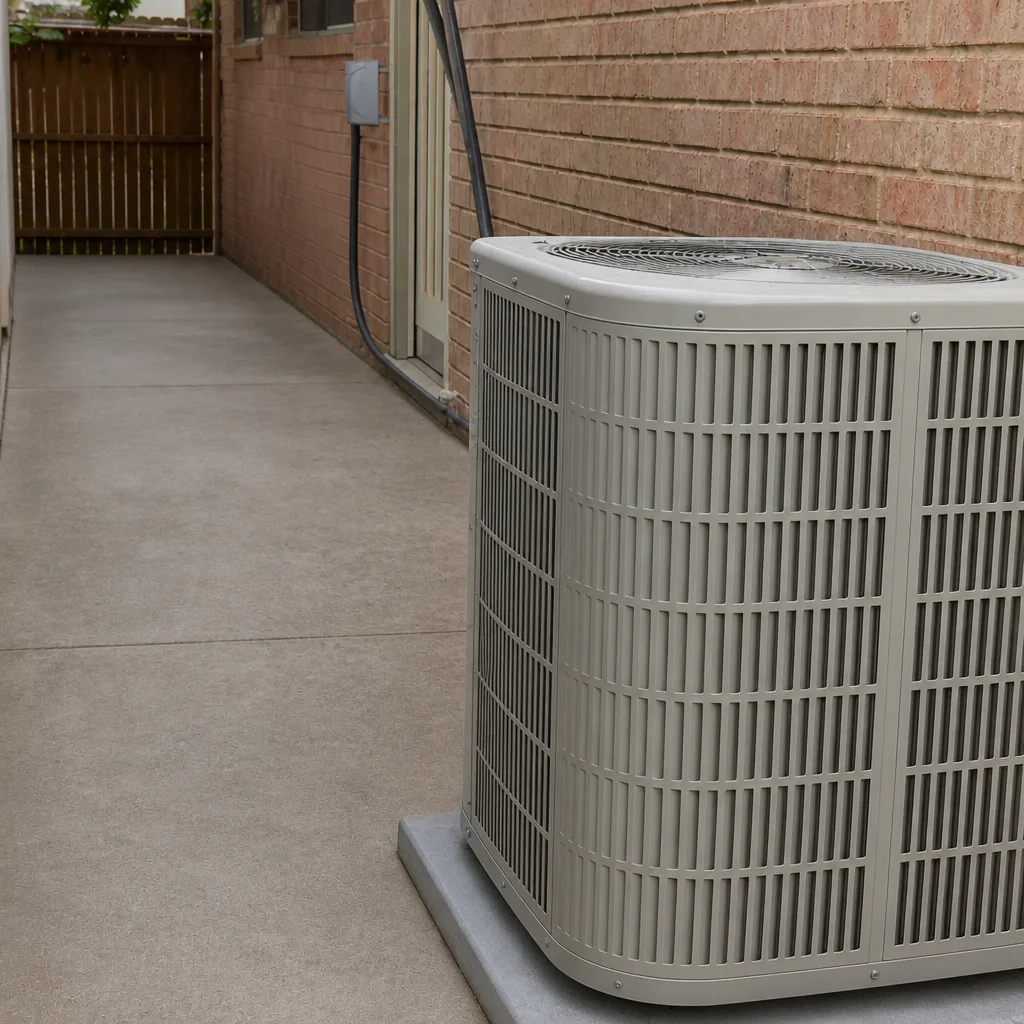
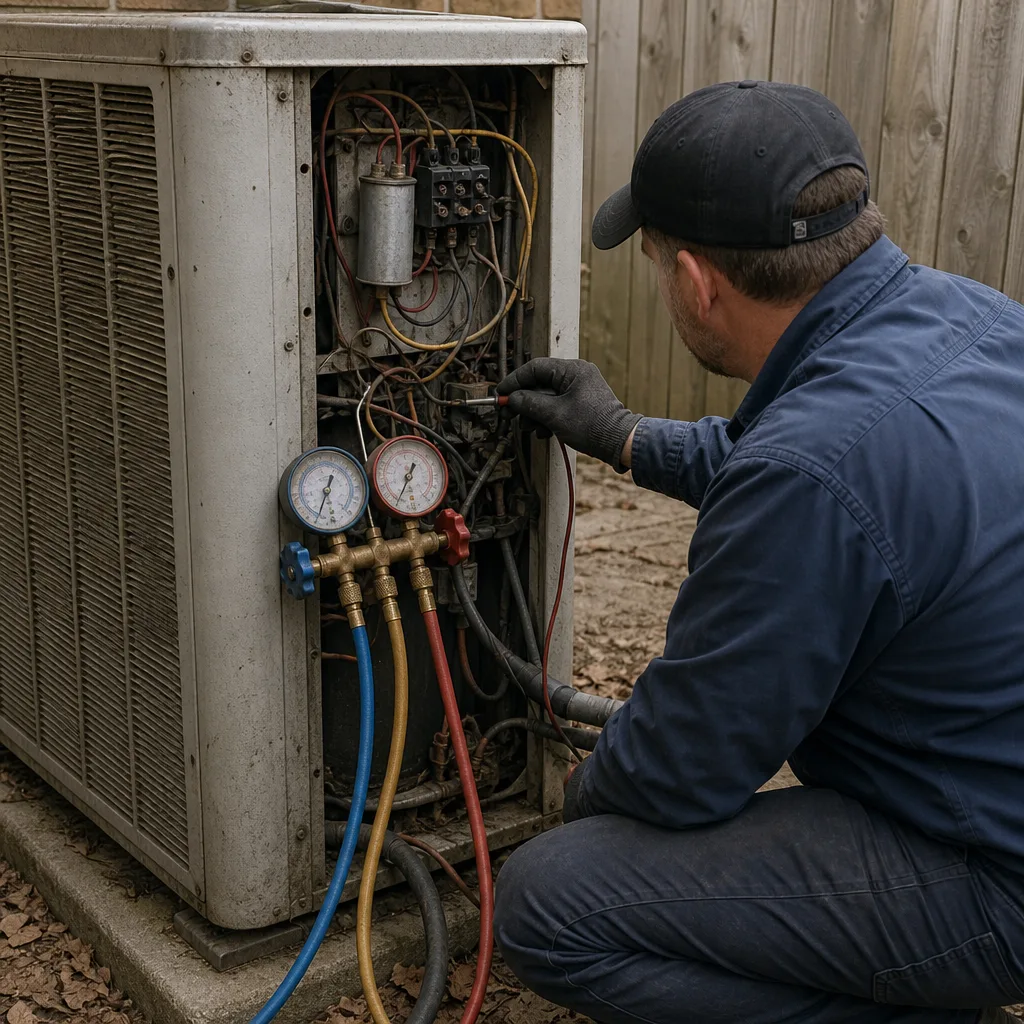
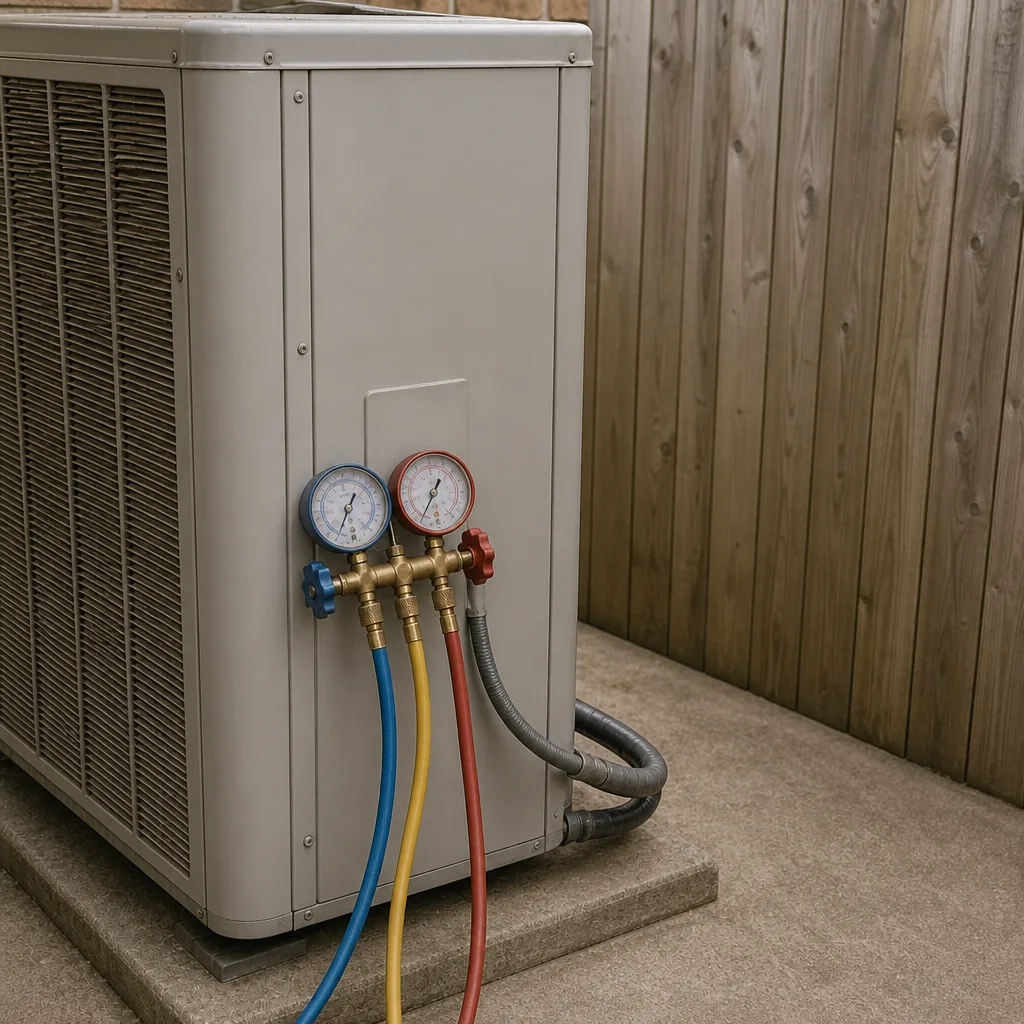
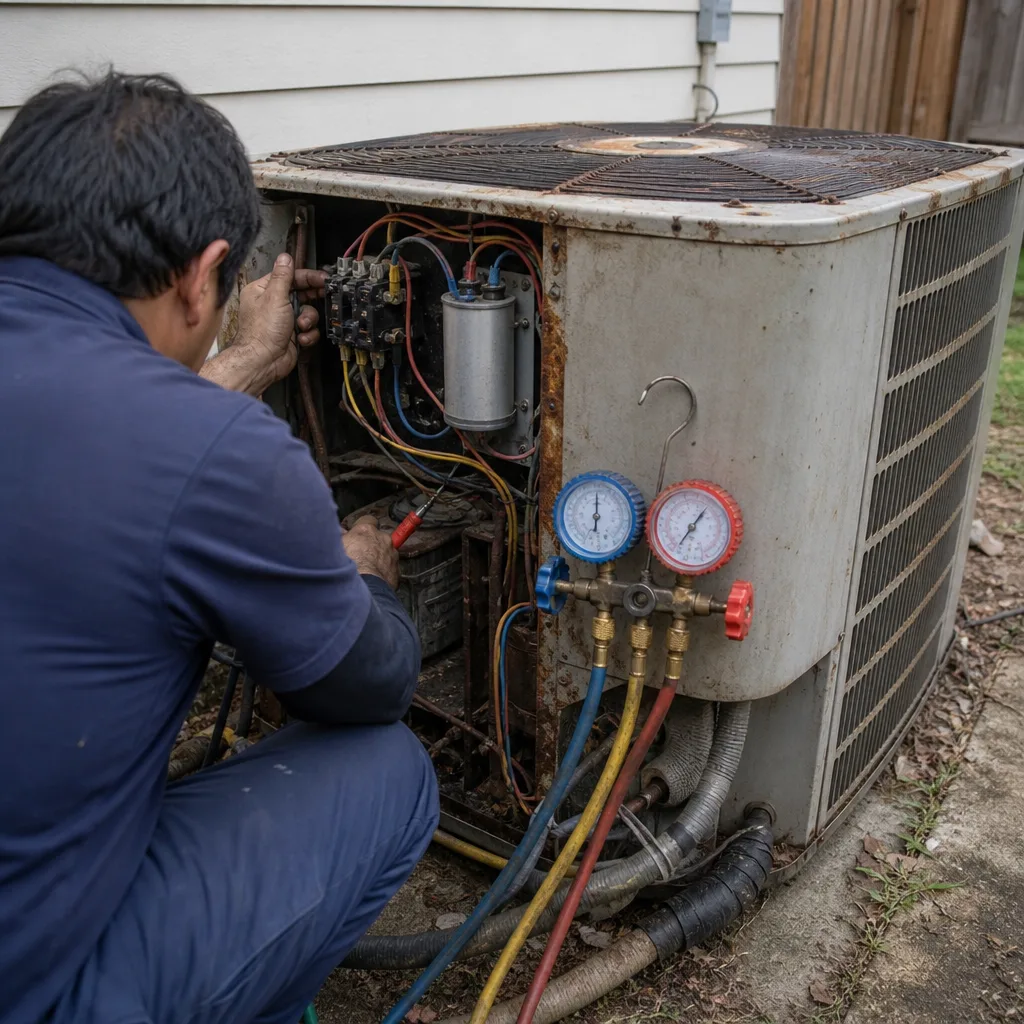
See the difference
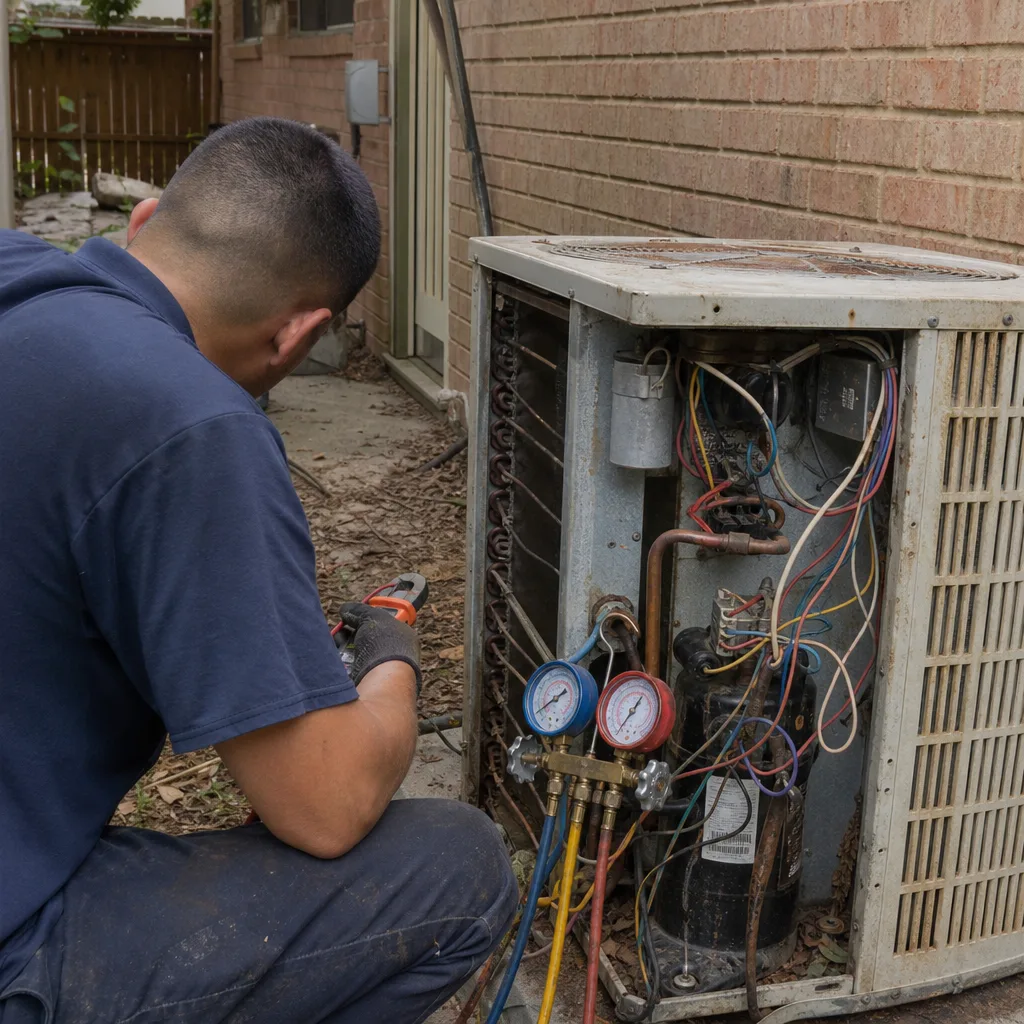 Before
 After
 Before
 After
 Before
 After
When to Call a Professional
Some maintenance tasks are homeowner work: changing filters, clearing the area around the units, testing CO detectors, switching thermostat schedules. Others aren’t. Call a professional if the system is short cycling, if you hear new noises, if the indoor coil ices over, if the heat pump runs but doesn’t produce warm air, if the furnace won’t ignite, or if you smell gas near the furnace. Refrigerant work is legally restricted to licensed technicians; don’t attempt it yourself. Gas furnace internals, heat exchangers, and electrical panels are also not homeowner projects. A system that’s more than a decade old and needs a major repair is worth a professional opinion on repair versus replacement. Kingsley AC Repair offers free estimates in Irving. Call (855) 473-9031. We answer 24/7. Fast dispatch from 7am to 7pm, Sunday through Friday.
Frequently Asked Questions
March and April are the most important window in Irving, because a system tuned before the long cooling season starts will perform better through the summer than one that enters the season with problems. The key tasks are the filter change, refrigerant charge check, condensate drain clear, and full cycle test. The earlier in the spring these are done, the more of the cooling season they cover.
Yes, briefly, once a week through the winter window. A heat pump that hasn’t run for weeks can fail on the first cold call, and you’d rather discover that in November than during a February ice event. Weekly short runs keep seals, bearings, and the igniter in cycling condition. It’s a five-minute task that saves a cold night.
Because the outdoor air is humid and the system isn’t running enough to remove moisture. Shoulder-month indoor humidity is a real problem in North Texas. Run the fan briefly through the day, use bath and kitchen exhaust fans, and consider a slight cooling setpoint drop on humid days. If it’s chronic, a dehumidifier is the practical fix.
A steady setpoint during cooling season with a modest setback when the house is empty is easier on the compressor than a big day-night swing. Big swings force a long recovery run every evening, and that’s where the wear accumulates. If you’re not sure the schedule is right for your system, a technician can help set it up.
We’re trained and equipped to service Carrier, Trane, Lennox, Goodman, Rheem, York, Daikin, Bryant, and American Standard. Nine brands, one standard. If your system is one of those, you shouldn’t have to explain your equipment to your technician. If it isn’t on the list, call and we’ll tell you honestly whether we can help.
Same-day service is often available. Call (855) 473-9031. We answer 24/7. Fast dispatch from 7am to 7pm, Sunday through Friday. A call outside dispatch hours is booked into the next opening, Sunday through Friday, 7am to 7pm. If a system has failed in extreme heat or a freeze event, that’s a health risk and worth calling sooner rather than waiting.
The Bottom Line
Irving’s HVAC calendar isn’t four equal seasons, and a maintenance plan that treats it that way will miss the moments that matter. The March and April window before first cooling demand is where your yearly effort does the most work. The fall transition, when you run the heat for the first time and confirm the heating side works, is the second most important moment. In between, filter discipline and shoulder-month humidity management keep the system healthy through the long cooling season. The occasional winter freeze is a check-the-heat pump moment, not a reason to over-invest in heating infrastructure. Keep the schedule, clear the area around the units, run the heating system through the winter, and call a professional for anything involving refrigerant, gas, or the heat exchanger. Our team is here for the rest. Call (855) 473-9031 for a free estimate.
Written by the team at Kingsley AC Repair, serving Irving since 2014.