
Last updated November 14, 2026
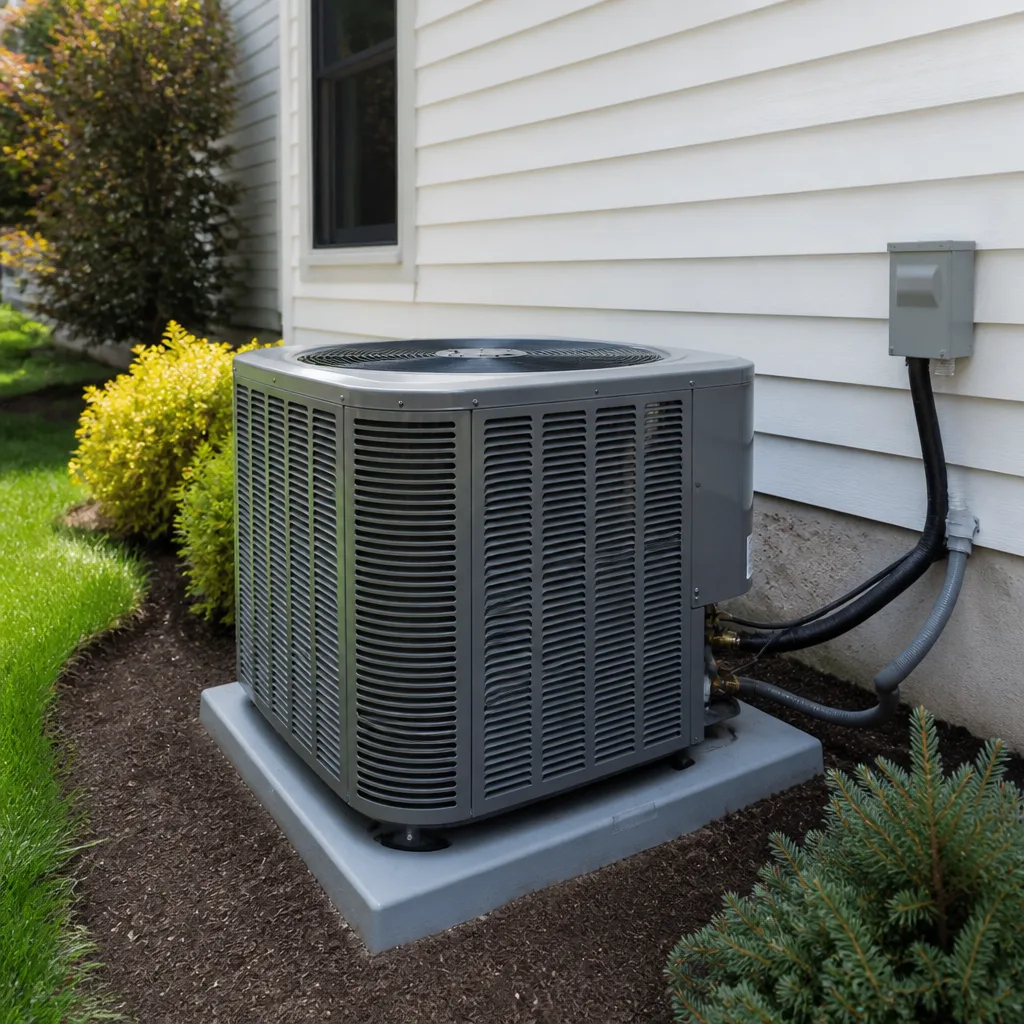 AC repair
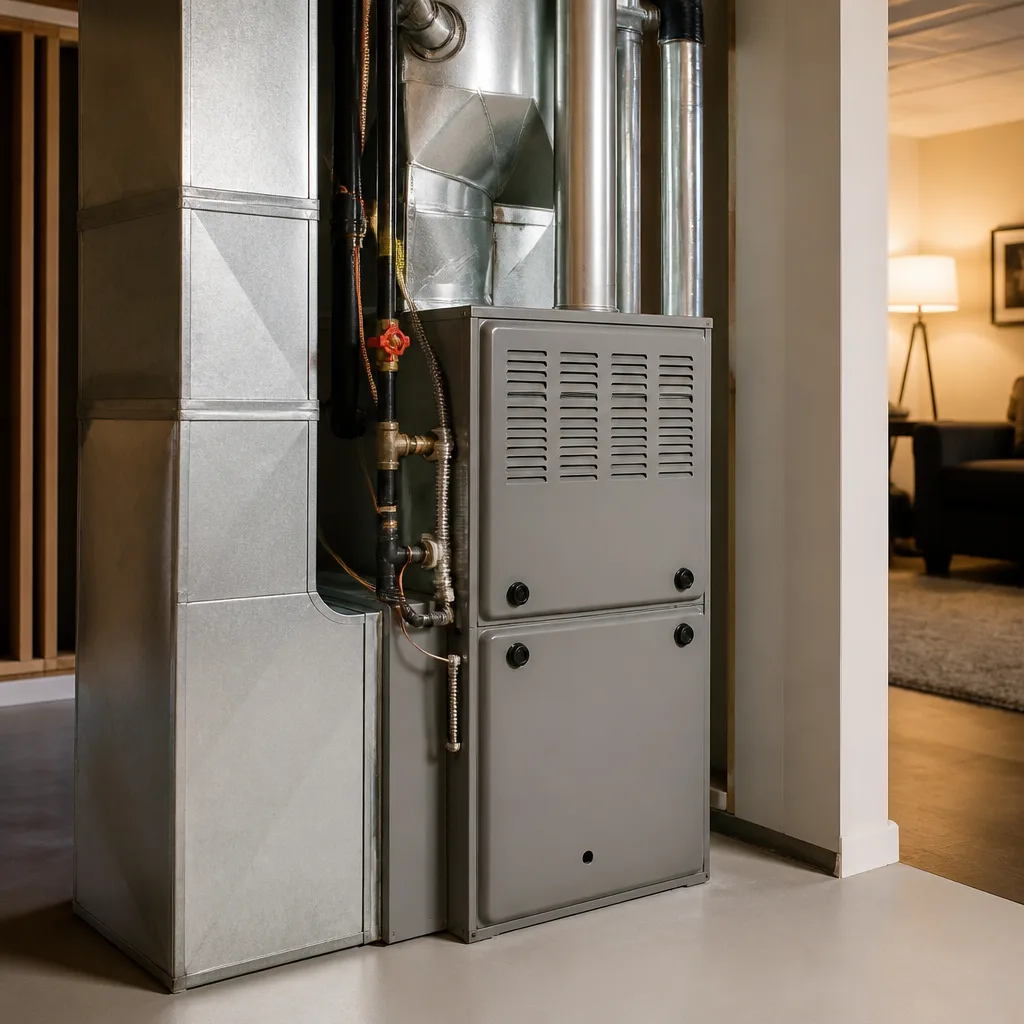 Furnace & heating
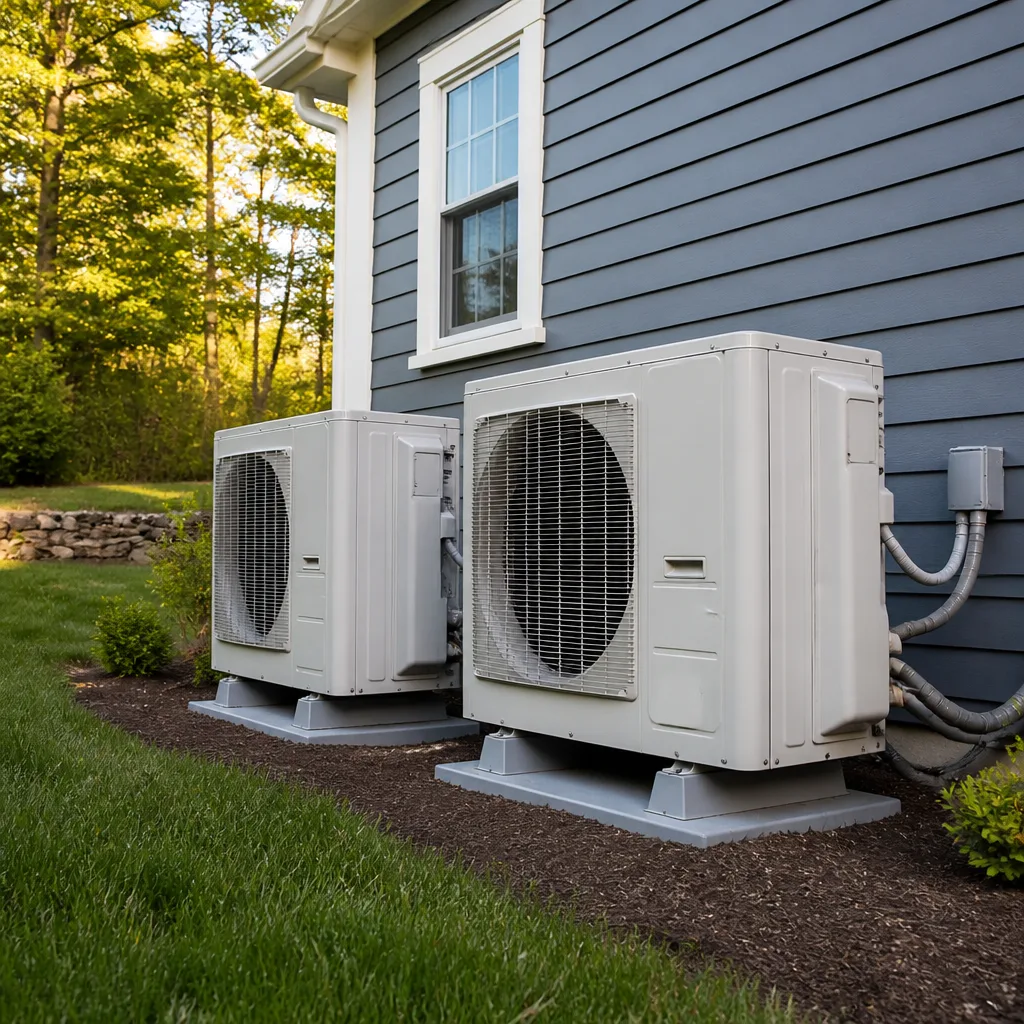 Heat pumps
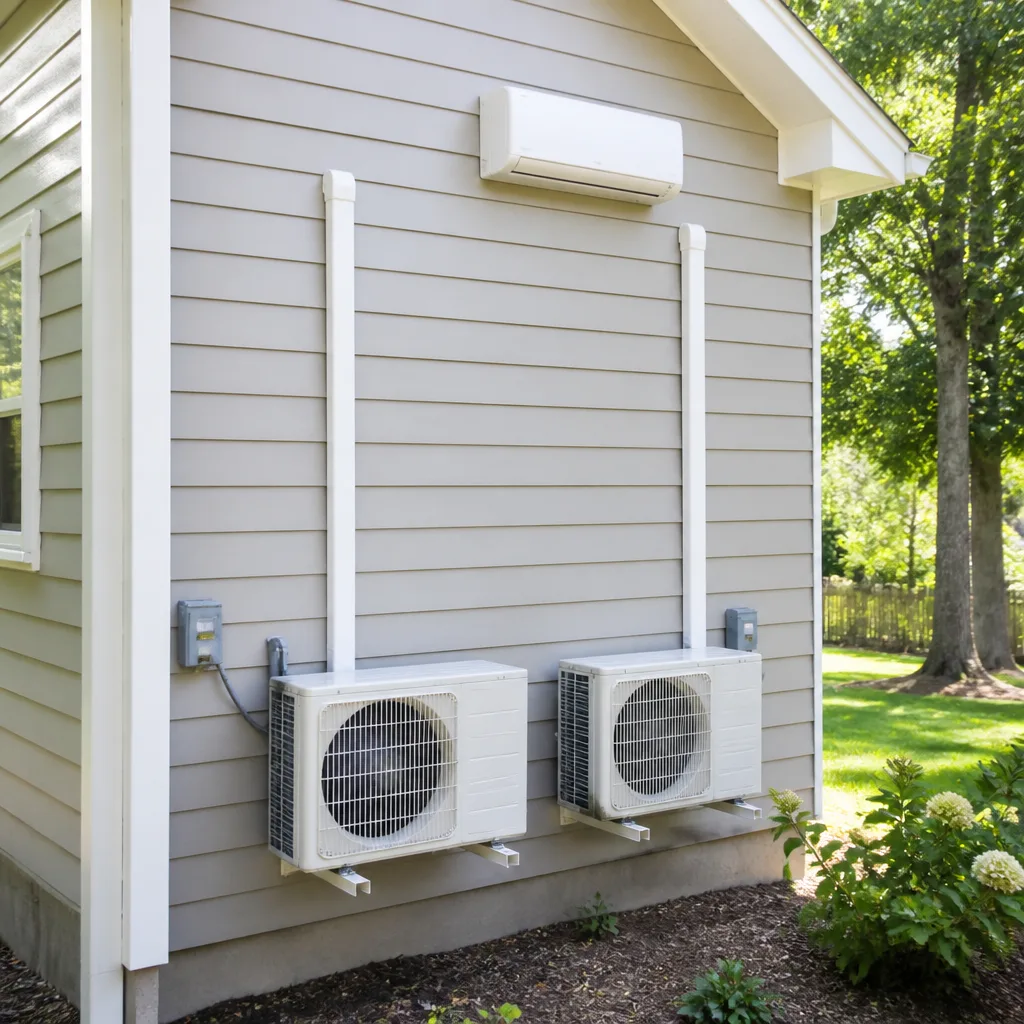 Ductless mini splits
 Carrier
 Trane
 Goodman
Seasonal tune-up and full diagnostic on your Carrier, Trane, or Goodman system - readings shown to you before any repair is proposed
Diagnosis first, numbers second - you approve the repair price before a single part goes in.
Get your free estimateHVAC Permits, Codes & Inspections in Irving, TX: What You Need to Know
Most homeowners think of a permit as a box a contractor checks for them, a piece of paper that disappears into a file and never matters again. The truth runs the other direction. A permit is your proof that the work was done to code, and that proof is what gets asked for at the exact moment you can least afford a problem: when you sell the house, when an insurer reviews a claim, or when a manufacturer questions a warranty. We’re Kingsley AC Repair, and we’ve watched too many Irving homeowners learn this late. This guide explains which HVAC jobs in Irving legally require a permit, what the inspection process actually involves, how permits connect to your warranty and insurance, and what to do if you inherit unpermitted work.
Quick Answer
In Irving, Texas, replacing a complete HVAC system, installing new equipment, running or altering ductwork, and any work involving refrigerant lines, electrical connections, or gas piping to the unit normally requires a permit and inspection through the City of Irving. Routine repairs that swap a part without changing the system, like a capacitor, contactor, blower motor, or thermostat, are generally treated as exempt service work. When in doubt, the permit office at the City of Irving is the definitive source, and a licensed contractor should know before the first truck rolls.
Styles & brands we work with
- AC repair
- Furnace & heating
- Heat pumps
- Ductless mini splits
- Carrier
- Trane
- Goodman
Table of Contents
- Which HVAC jobs require an Irving permit?
- What counts as an exempt repair?
- What the inspection process actually involves
- How Texas energy code shapes equipment selection
- How permits affect warranties and insurance
- What to do if old work was never permitted
- When to call a professional
- Frequently asked questions
Which HVAC Jobs Require a Permit in Irving?
The short version: if the job changes the system itself, the city wants to see it. If the job just puts a working part back in place, it usually doesn’t. Irving follows the pattern most Texas cities do. A permit is triggered when the work involves new equipment, a full replacement, or anything that touches the structural, electrical, gas, or refrigerant side of the system.
Here’s how the line usually divides:
- Full system replacement – swapping the outdoor condenser and indoor air handler or coil for new equipment. Permit required.
- New installation in a home without central air, or adding a second system. Permit required.
- Ductwork changes – new runs, relocation, or major modification. Permit required.
- Electrical work tied to the unit, like a new disconnect or circuit for a replacement condenser. Permit required.
- Gas line work to a furnace. Permit required, and often a separate gas inspection.
- Refrigerant line replacement or rerouting. Usually permit required, since it’s part of the system boundary.
- Component repairs – capacitor, contactor, blower motor, thermostat, ignitor, flame sensor. Normally exempt as service work.
- Filter changes, cleaning, refrigerant top-off on a sealed system that’s already permitted. Exempt.
We’ve been straightforward with Irving homeowners about one rule of thumb: if the invoice describes a job that could be photographed as a before-and-after of the equipment, assume a permit is in play until the city says otherwise. Brand doesn’t matter here. A Goodman replacement in a South Irving bungalow and a Trane swap in Las Colinas get the same treatment under code. The paperwork is about the work, not the label on the box.
What Counts as an Exempt Repair in Irving?
Exempt repairs are the service calls most homeowners actually experience. Your AC quits on a July afternoon, a technician diagnoses a failed run capacitor, replaces it, and you’re cool again within the hour. No permit. That’s the normal, legal path, and it’s how roughly nine out of ten residential service calls work.
The confusion tends to show up in a few places:
- Replacing a compressor inside an existing condensing unit – usually treated as a major repair rather than a permit item, though some jurisdictions want notification. Ask the contractor to confirm with the city.
- Swapping an air handler in place without touching ductwork or refrigerant lines, on an already-permitted system. Sometimes treated as exempt, sometimes not. It depends on how much of the system boundary is disturbed.
- Adding a ductless mini-split head to an existing system. That’s new equipment and new refrigerant piping. Assume a permit.
- Replacing a furnace in a closet or attic with a same-BTU model. Usually requires a permit because of the gas connection and venting checks.
We’ve seen homeowners try to save a few dollars by asking a contractor to skip the permit on a “borderline” job, like swapping an indoor coil while the outdoor unit stays put. Our answer stays the same: the inspection is cheap insurance against a much bigger problem later. If a contractor offers to do a borderline job without one, that’s a signal about how the rest of the job will be handled.
If you’re unsure whether your situation needs one, calling the City of Irving’s permitting office takes five minutes and settles the question. Or call us at AC repair and we’ll tell you what we’d do if it were our own house. We answer 24/7, and fast dispatch runs from 7am to 7pm, Sunday through Friday.
What the Inspection Process Actually Involves in Irving
A full system replacement in Irving typically goes through more than one inspection stage, because more than one trade is involved. The mechanical inspection is the one homeowners hear about. But electrical and gas inspections often run alongside it when new circuits or gas connections are part of the job.
Here’s the sequence we generally walk through on a replacement:
- Permit application. The contractor pulls the permit before any work starts, listing the scope, equipment model numbers, and the licensed trades involved. This is not the homeowner’s job, but you should receive the permit number for your records.
- Rough-in inspection (if applicable). For new ductwork, refrigerant lines, or gas piping, an inspector often wants to see the installation before it’s closed up or connected. On a same-size replacement in existing space, this stage may be skipped or folded into the final.
- Final mechanical inspection. The inspector verifies the equipment matches the permit, checks the electrical disconnect, looks at the condensate drain and safety switch, confirms venting on the furnace, and may review the refrigerant charge measurement documented by the technician.
- Electrical inspection. If a new circuit or disconnect was installed, this runs separately or as part of the combined final, depending on how the city structures it for that address.
- Gas inspection. On a furnace replacement or new gas appliance, the inspector confirms the gas line is properly sized, leak-tested, and connected with approved materials.
- Certificate of occupancy or final approval. Once all stages pass, the permit is closed. That closure is your paper trail. Keep it.
What inspectors actually check is less about brand and more about safety and documentation. A Daikin fit-out and a Rheem fit-out go through the same checklist. The inspector wants to see correct sizing relative to the permit, proper clearances, safe electrical connections, and a properly terminated condensate line. Irving’s climate matters here: summers are long and humid enough that condensate management is a real concern, and an inspector will look at how the drain is routed, trapped, and protected against overflow.
If an inspection fails on something minor, the contractor fixes it and reschedules. Failing is uncommon on work done correctly. When it happens, it’s usually a documentation miss (model number mismatch, missing load calculation) rather than a workmanship problem.
How Texas Energy Code Shapes Equipment on a Permitted Replacement
When you pull a permit for a replacement in Irving, the equipment selection has to comply with the energy code adopted for that jurisdiction, which for Texas cities generally follows the International Energy Conservation Code (IECC) version in force locally. In plain terms: the city cares about efficiency, not just safety, on new installs and full replacements.
What this means for you in practice:
- Minimum efficiency ratings apply. A permitted replacement has to meet the efficiency floor the local code sets for that equipment type. Contractors who “have a good deal on last year’s unit” may be proposing equipment that doesn’t meet current code for a permitted install. That’s a red flag.
- Load calculations are part of a proper submittal. A replacement sized to the house (not just “same size as the old one”) is the standard. Irving homes vary widely, from smaller postwar houses in the older neighborhoods to larger builds near Valley Ranch, and a proper manual J calculation accounts for that.
- Duct sealing and insulation requirements can apply. If the replacement touches ductwork, minimum sealing and insulation standards kick in. This is one of the reasons duct-modifying HVAC jobs are permit-triggered in the first place.
- Documentation follows the equipment. The permit record lists the model numbers. That record is what proves the installed unit meets code.
We’ve found that homeowners appreciate this framework once they understand it, because it protects them. A code-compliant replacement will outperform a mismatched one in an Irving summer. It also means that when you go to sell, an appraiser or buyer’s inspector can verify the equipment against the permit and see compliance on paper.
How Permits Affect Manufacturer Warranties and Insurance Claims
Two things tend to surprise homeowners here. First, a manufacturer’s warranty generally assumes the equipment was installed by a licensed contractor and in accordance with local code. Second, an insurer reviewing an HVAC-related loss will look at whether the installation was permitted and inspected. Neither of those is a formal guarantee in every case, and the exact language lives in your warranty booklet and your policy, but both make the same point: paper matters.
On warranties, the concern is proof. If you call a manufacturer about a compressor that failed at year eight of a ten-year parts warranty, they’ll ask who installed it and when. A permit record and a licensed installation invoice answer those questions. Missing paperwork can turn a covered claim into a phone call you lose. We’ve seen homeowners discover this the hard way when a warranty rep asked for the original install documentation and the homeowner couldn’t produce it.
On insurance, the concerns are different but related. If a fire or water loss traces back to an HVAC installation (a failed electrical connection, a condensate line that flooded a ceiling, a furnace venting problem), the adjuster will want to know the work was done correctly. An inspection record supports that. Its absence gives the insurer a legitimate question to pursue. We don’t handle insurance claims and we don’t promise outcomes, but we can work with your insurer if they ask for documentation from us.
This is where the permit stops being a bureaucratic formality. It’s the single record that ties the equipment, the contractor, and the city’s code compliance together. Protect it. Put the permit number and closing inspection record in the same folder as your warranty documents and never let it go with the house unless the sale includes it.
What to Do If Previous HVAC Work Was Never Permitted
This is more common than you might think, and it surfaces most often during a home sale. A buyer’s inspector flags an HVAC replacement, the seller can’t produce a permit, and suddenly what should have been a routine closing has a problem attached. Here’s the path forward if you find yourself holding unpermitted work.
- Gather what you have. Find the original installation invoice, equipment model numbers from the nameplate, and any warranty registration. If the work is older and records are gone, take photos of the nameplate and the installation.
- Call the City of Irving permit office. Ask what the retroactive process looks like for a residential HVAC replacement. Cities generally allow a late permit with an inspection, though the exact steps and any additional fees are set by the city, not by us.
- Get an inspection served by a licensed HVAC contractor. A contractor can evaluate the installation against current code, document what’s compliant and what needs correction, and pull the permit for the retroactive process on your behalf.
- Correct anything the inspection flags. Common issues on older unpermitted work include undersized electrical disconnects, improper condensate drainage, missing safety switches, and equipment that doesn’t meet current efficiency minimums. On a mid-life repair, some of these are simple to address; a full efficiency mismatch on a replacement may be a bigger conversation.
- Document the outcome. Once the permit is closed, keep the record with your home file. That closes the loop before it becomes someone else’s problem at closing.
Two things we always tell Irving homeowners: first, most retroactive situations are manageable when handled openly, and second, the seller isn’t the only party with a stake. If you’re a buyer who just found unpermitted work, that’s a negotiating item, not necessarily a walk-away. The paperwork path exists, and a licensed contractor can help you price the correction before you decide how to handle the closing.
Common Mistakes to Avoid
- Letting a contractor “handle the paperwork” without seeing it. Ask for the permit number before work begins. If the contractor can’t produce one, the work isn’t permitted, no matter what the invoice says.
- Assuming a same-size replacement doesn’t need a permit. Size similarity doesn’t determine permit requirements in Irving. Scope does. A full replacement of like-for-like equipment still goes through the permitting process.
- Skipping the inspection on a repair the contractor calls “no permit needed.” This is often correct, but “often” isn’t “always.” Ask the contractor to name the exemption in writing, so you can verify against the city’s requirements.
- Tossing the closed permit with the invoice. The permit and its closing inspection record need to live with your warranty and equipment documents. Without them, your proof of a code-compliant install is gone.
- Buying a house without asking for HVAC permit records. If you’re in the market in Irving, add this to the inspection checklist. It’s an easy question to ask before closing and an awkward one to answer after.
- Accepting a lower efficiency unit “because it fits the budget” on a permitted replacement. The permit application will require equipment that meets current code. A lower-efficiency proposal isn’t necessarily a cheaper path. It can be a non-compliant one.
- Mistaking a warranty registration for permit documentation. They’re different things. Registration confirms the manufacturer knows about your unit. The permit confirms the city verified the installation.
When to Call a Professional
Any HVAC work that involves a permit in Irving is work for a licensed contractor, full stop. The mechanical, electrical, and gas trades involved in a replacement are the kinds of work where mistakes become house fires, carbon monoxide leaks, or refrigerant releases. That’s not a place for DIY, and it’s not a place for a generalist who handles HVAC between other home service calls. The same applies to the diagnostic side: a homeowner can’t reliably determine whether a borderline job needs a permit or whether a mid-life system is worth repairing versus replacing. That’s a judgment call made by someone who sees Irving’s housing stock and equipment mix every week.
Kingsley AC Repair is a single-trade HVAC specialist, not a multi-trade contractor. Our technicians are factory-familiar with equipment from Goodman, Rheem, Daikin, and six other major manufacturers, and every one of them shows up knowing your system rather than learning it on your dime. Kingsley AC Repair offers free estimates in Irving. Call (855) 473-9031. We answer 24/7. Fast dispatch from 7am to 7pm, Sunday through Friday.
Frequently Asked Questions
Yes, in most cases. A full AC system replacement in Irving is normally a permitted job through the City of Irving, with a final inspection required to close it out. The permit covers the equipment selection, electrical and refrigerant connections, and code compliance on the install. If a contractor proposes a full replacement without a permit, that’s the moment to ask why. Call (855) 473-9031 for a free estimate and we’ll walk you through the process before you commit to anything.
Component-level repairs are normally exempt, meaning the job doesn’t change the system, just puts a working part back in place. Capacitors, contactors, blower motors, thermostats, and flame sensors are the common examples. Refrigerant diagnostics on an already-permitted system are also exempt. Anything that changes the equipment itself, runs new lines, or modifies ductwork is where the line moves into permit territory. When you’re unsure, ask the contractor to confirm in writing. Free estimates are available at (855) 473-9031.
You can list it, but the unpermitted work will likely surface during the buyer’s inspection, and it can affect negotiations or closing. The practical fix is the retroactive permit process through the City of Irving, which usually involves a late permit and a corrective inspection. Getting ahead of it before listing is far easier than dealing with it under contract. If a buyer’s inspector flags your HVAC, call us at (855) 473-9031 and we can evaluate the installation and help you plan the paperwork path.
Indirectly, yes. Manufacturer warranties typically assume a licensed installation in accordance with local code, and a permit record is the proof that the installation was inspected. Without that record, a warranty claim can turn into a documentation dispute. The exact terms live in your warranty booklet, but the practical rule is the same: keep your permit and closing inspection record next to your warranty documents. That way you’re ready when a warranty rep asks. Call (855) 473-9031 for a free estimate on a compliant replacement.
The permitted replacement has to meet the efficiency minimum the local code in force for Irving requires, which for Texas cities generally follows the IECC version adopted for that jurisdiction. In practice, this means a replacement sized to your home (not just “same size as the old one”), with equipment that meets the current efficiency floor, and ductwork that meets sealing standards if the job touches ducts. Any proposal that skirts these requirements on a permitted install is a red flag. Call (855) 473-9031 and we’ll quote a compliant replacement with a free estimate.
You have a path, not a dead end. Gather what records you have (invoice, model plate photos), call the City of Irving permit office for the retroactive process, and have a licensed HVAC contractor inspect the installation and pull the late permit on your behalf. Any corrective work the inspection flags can be priced before closing, so it becomes a negotiation item rather than a surprise. We can help you plan the correction – call (855) 473-9031 for a free estimate in Irving.
The Bottom Line
An HVAC permit in Irving is more than a fee at the counter. It’s the record that your system was installed to code, it’s what supports a warranty claim, and it’s how your buyer, your insurer, and your manufacturer all verify that the work was done right. Replacement, new install, ductwork, refrigerant lines, gas work, and electrical connections all trigger a permit. Component repairs normally don’t. If you inherit unpermitted work, the retroactive path through the City of Irving usually resolves it, and it’s easier to handle before a sale than during one. Keep your permit and closing inspection with your warranty paperwork. Every HVAC job we take on is held to the Kingsley standard, and that includes the paperwork.
Kingsley AC Repair covers heating and cooling under one roof and services equipment from Carrier, Trane, Lennox, Goodman, Rheem, York, Daikin, Bryant, and American Standard. Whether you’re planning a replacement, dealing with a warranty question, or inheriting unpermitted work, you can reach us at the Irving line for straight answers. If you’re ready to schedule a replacement, see AC installation and we’ll put together a written, code-compliant plan. Call (855) 473-9031 for a free estimate. We answer 24/7. Fast dispatch from 7am to 7pm, Sunday through Friday.
Written by the team at Kingsley AC Repair, serving Irving since 2014.
See the difference
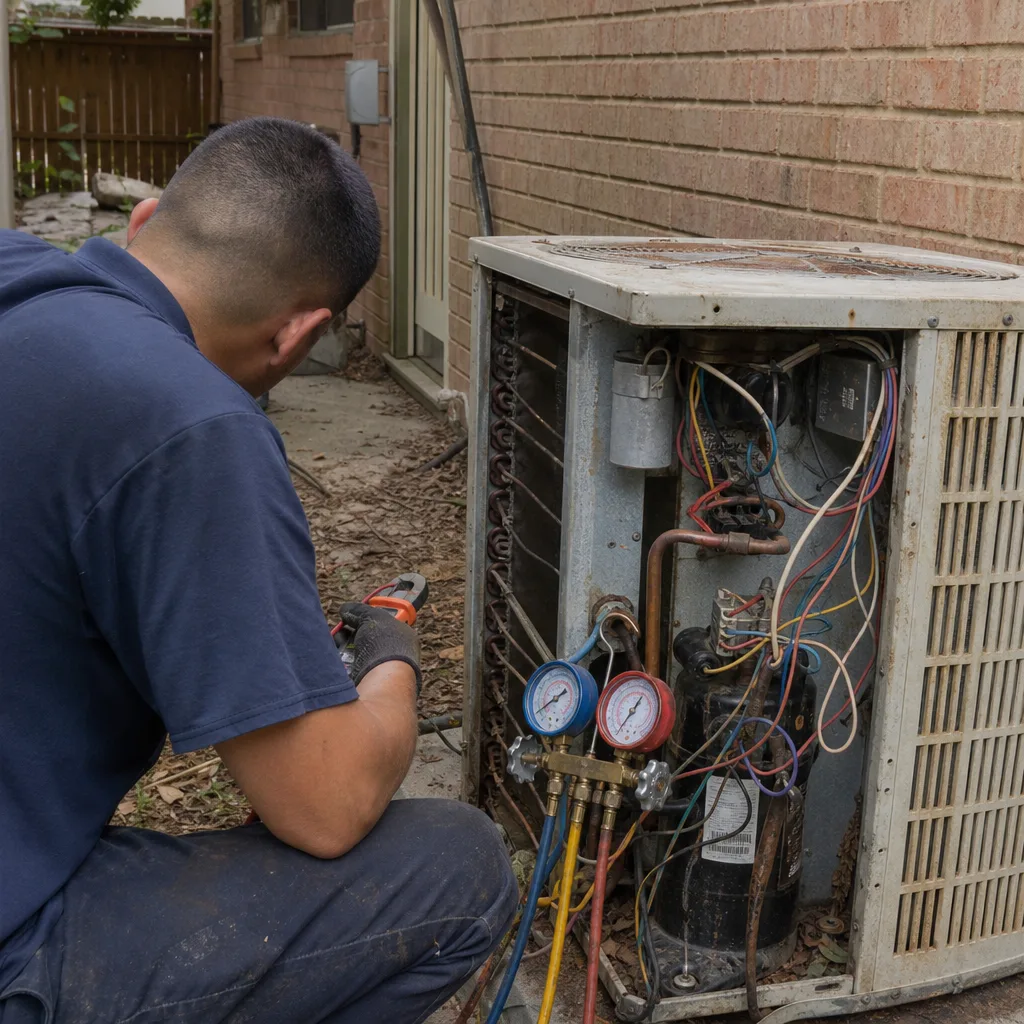 Before
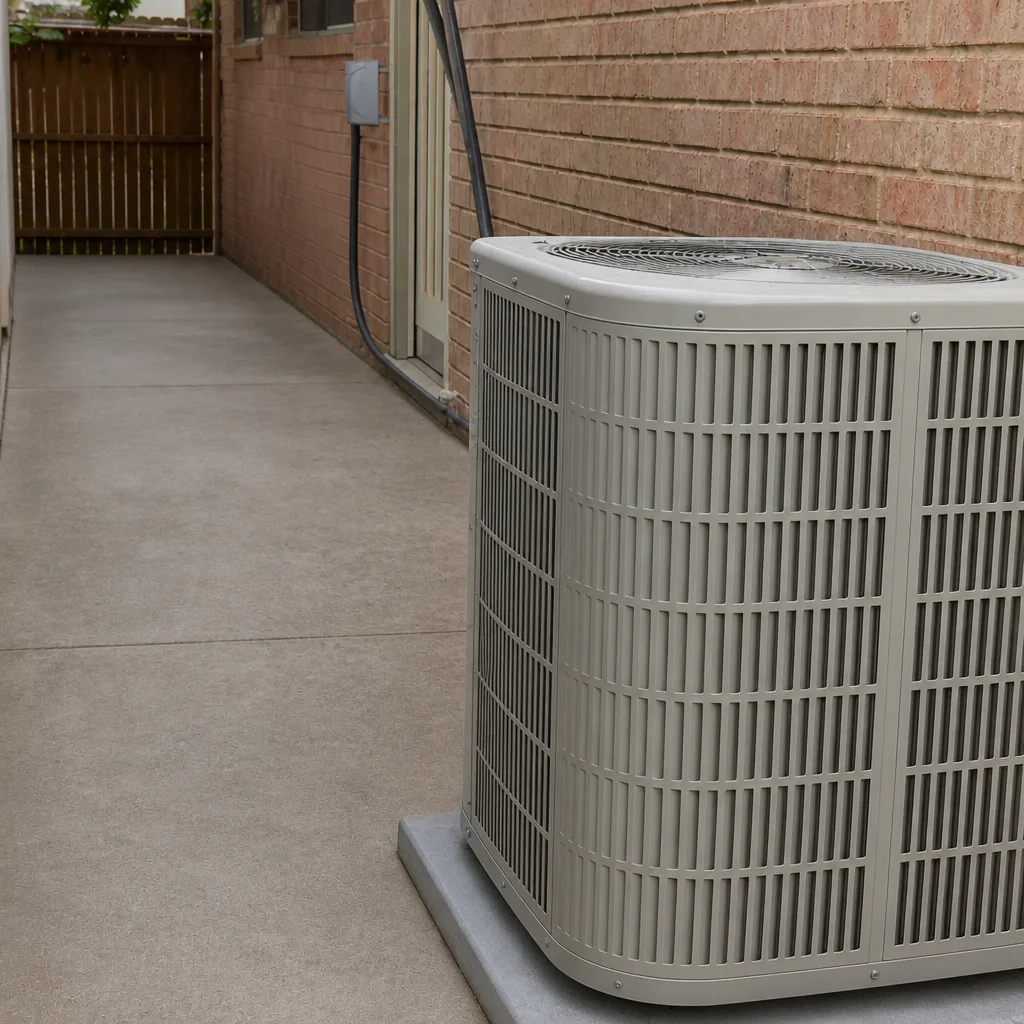 After
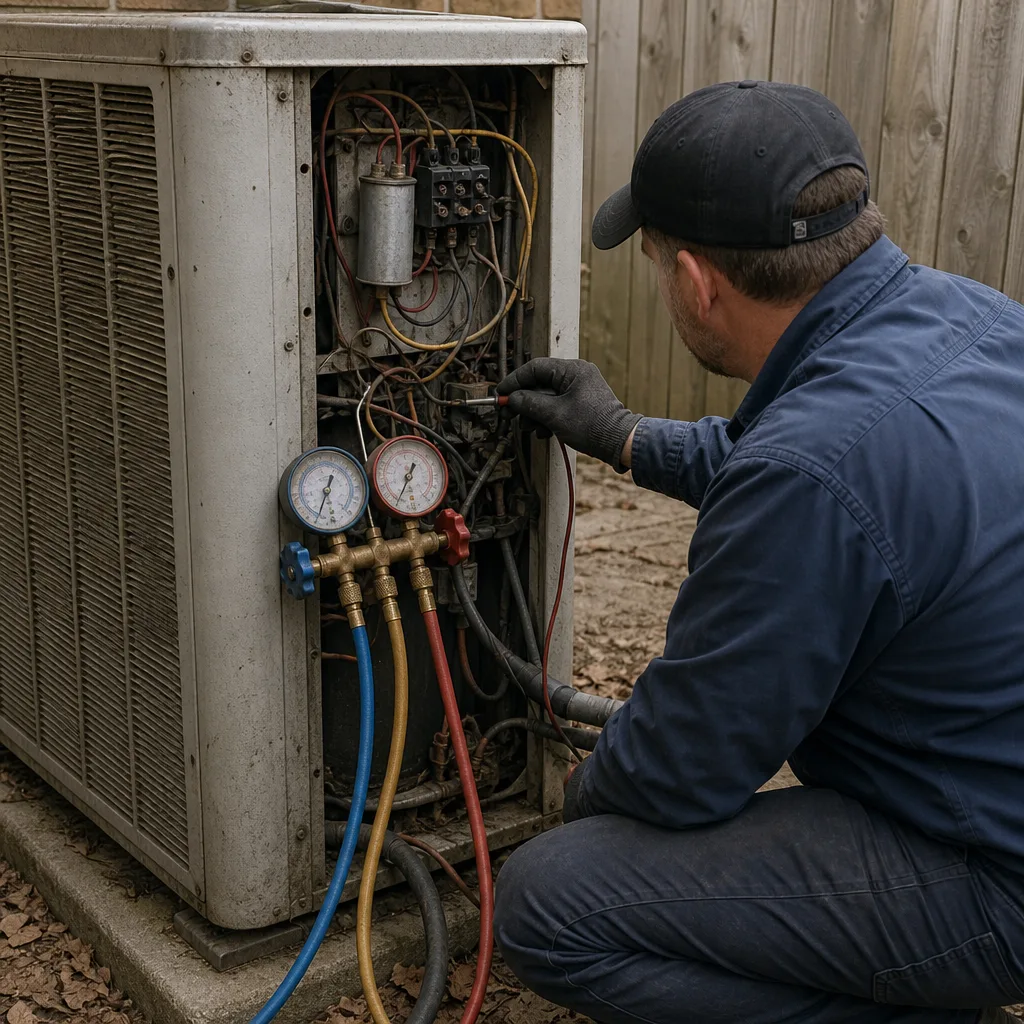 Before
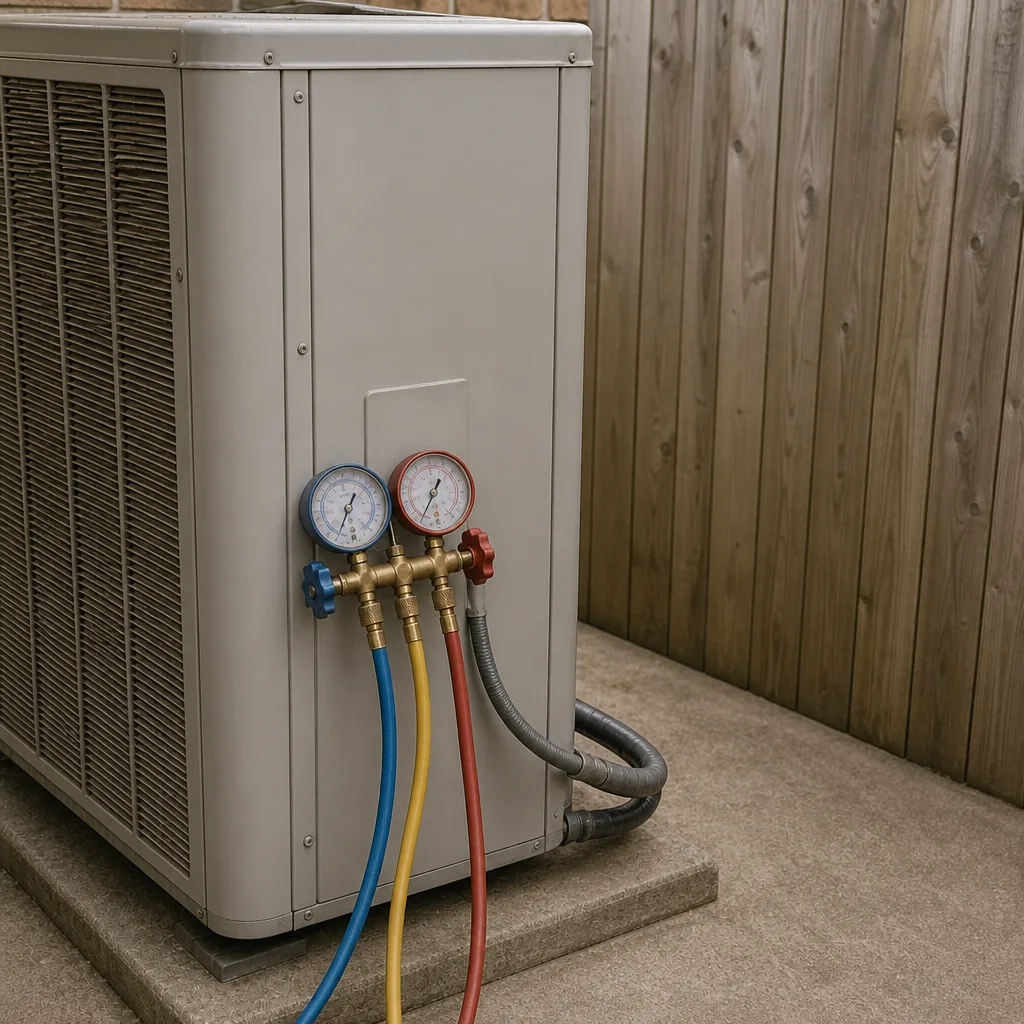 After
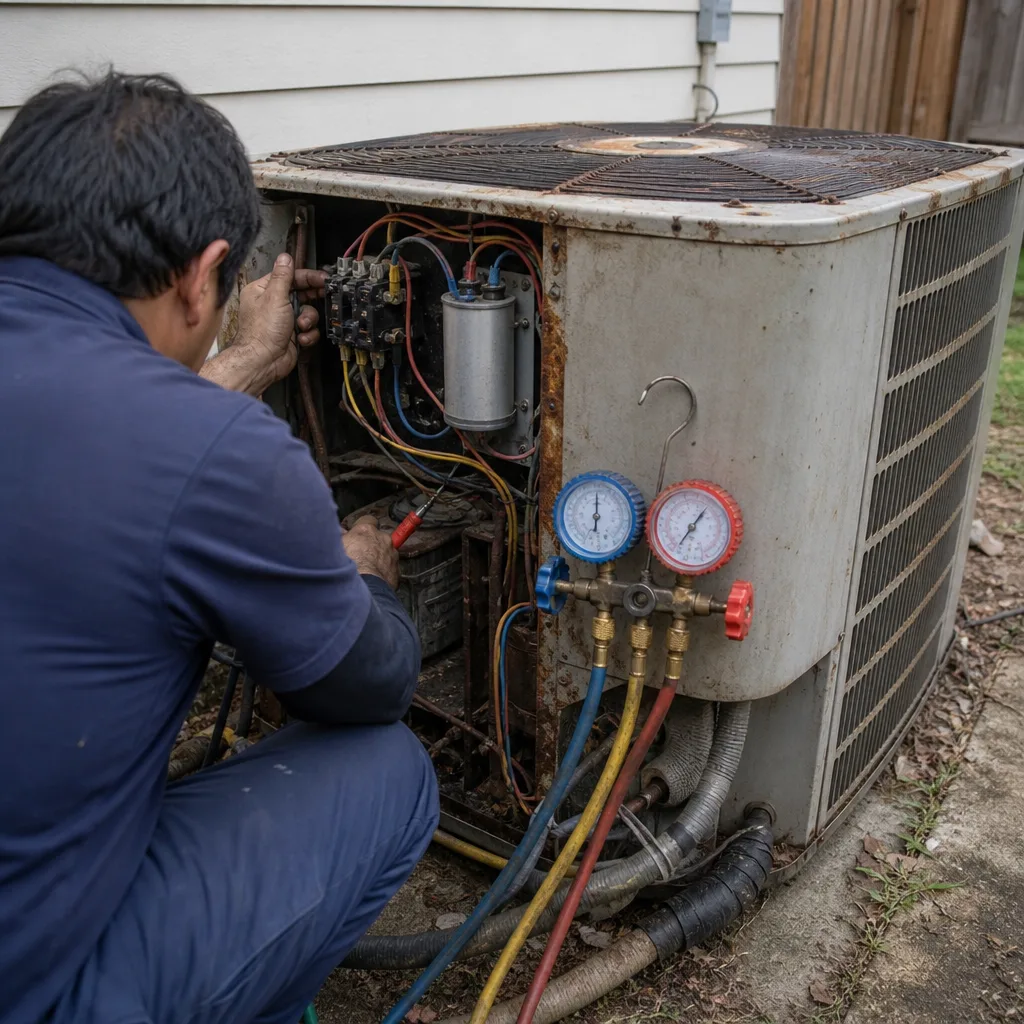 Before
 After