
Last updated November 14, 2026
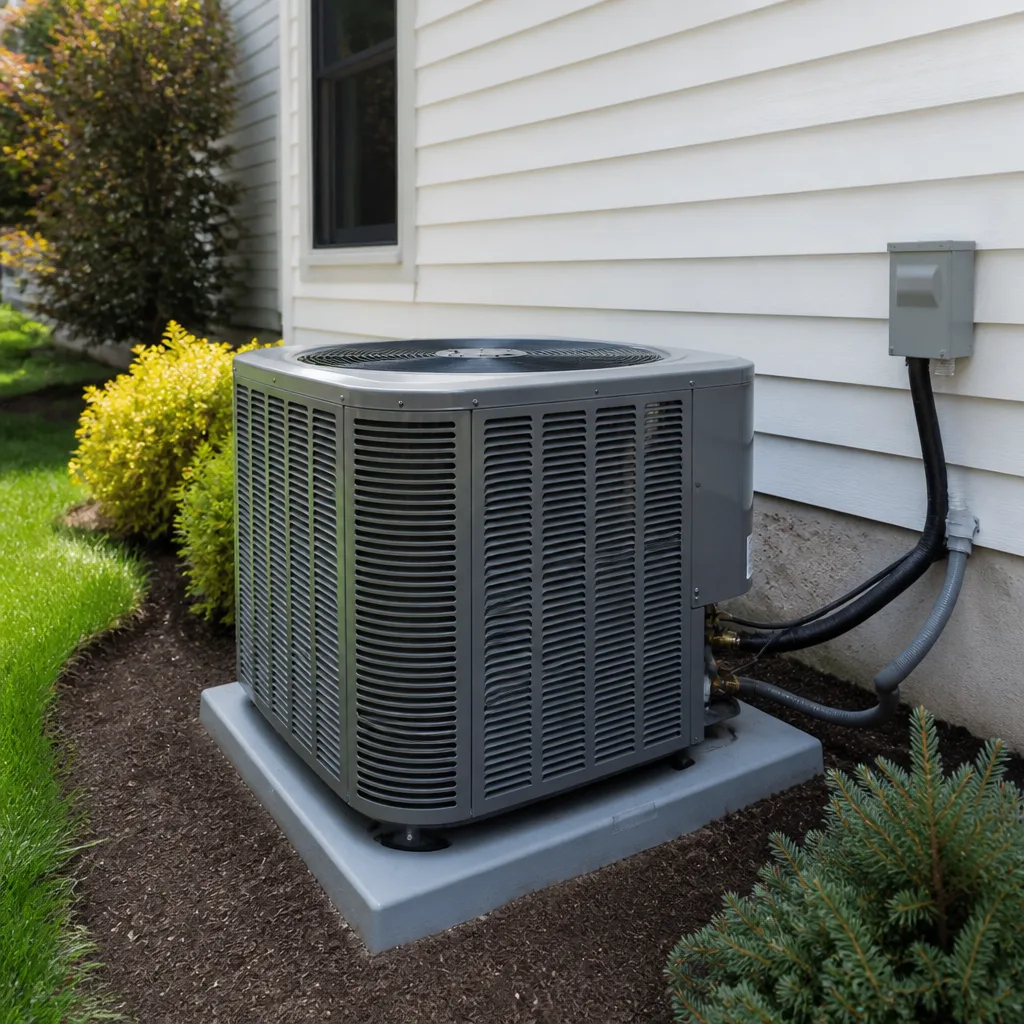 AC repair
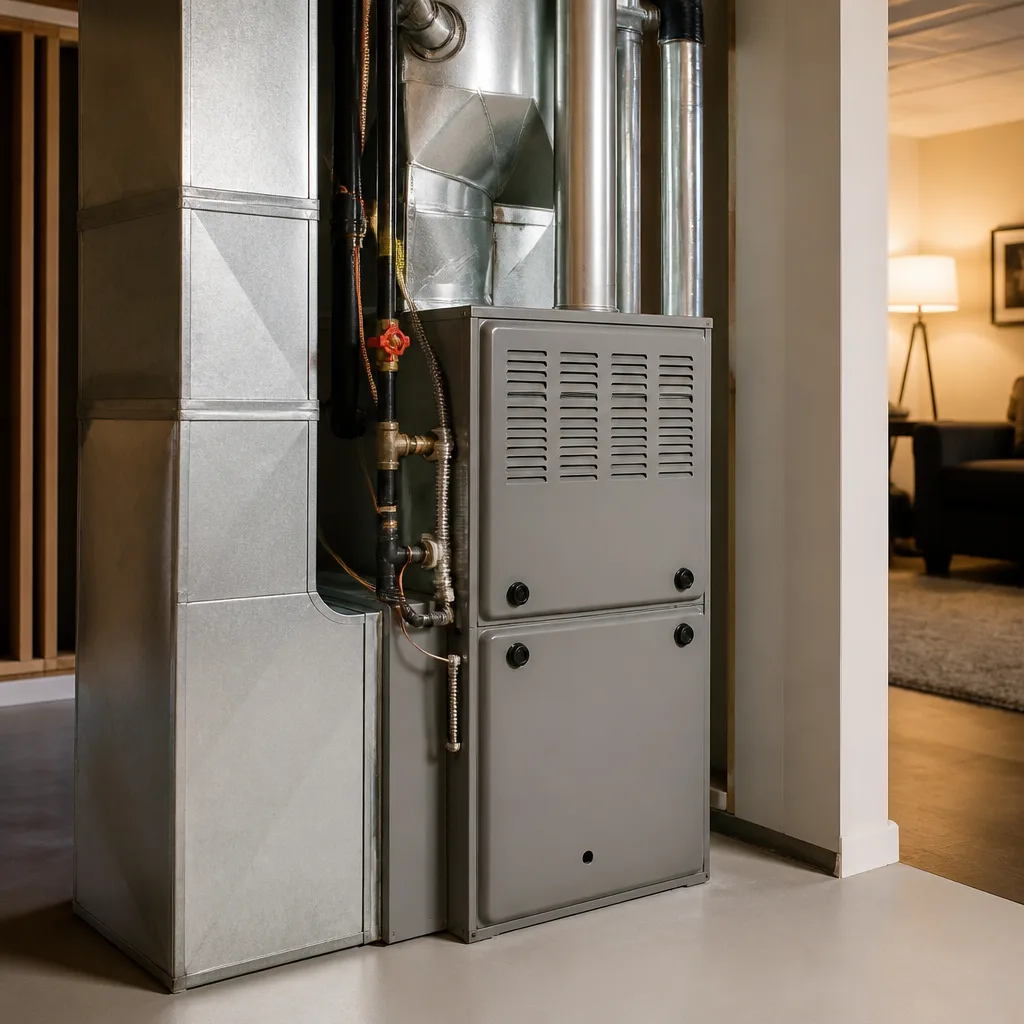 Furnace & heating
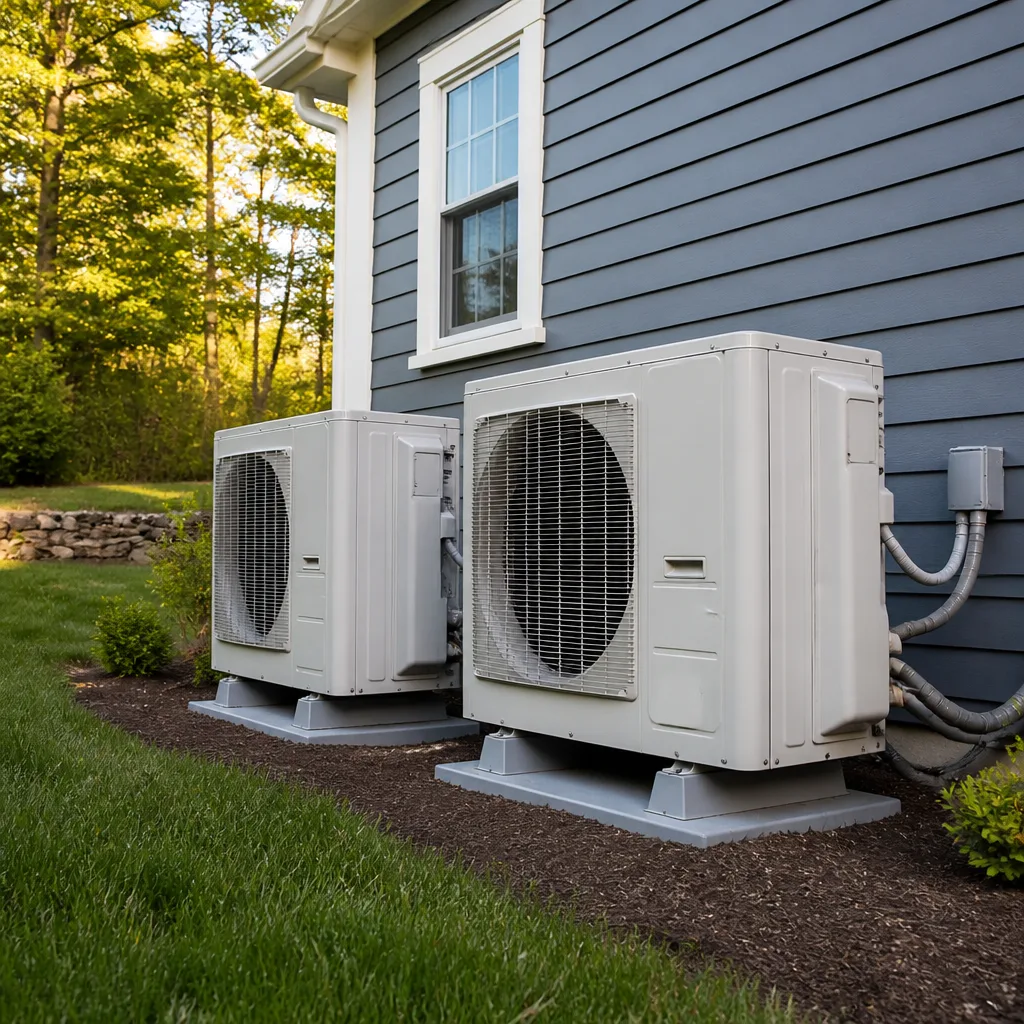 Heat pumps
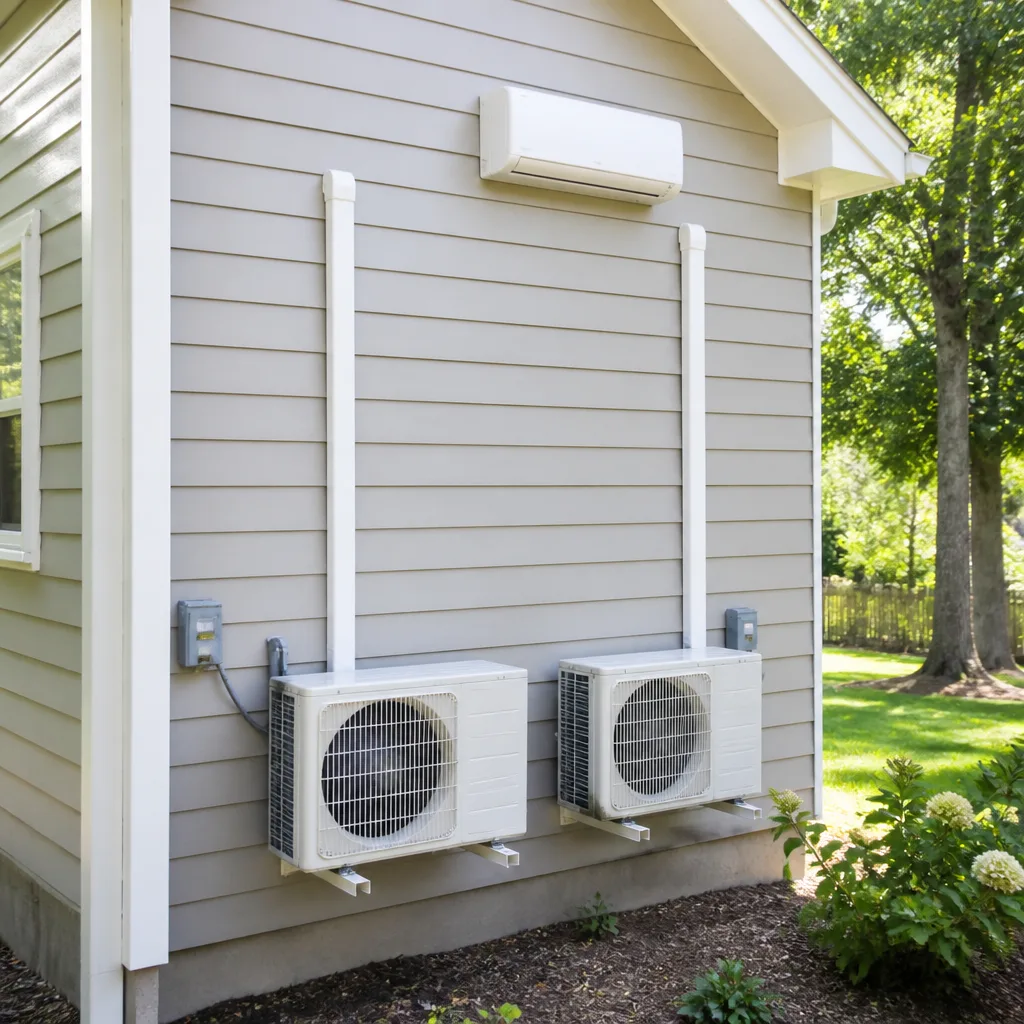 Ductless mini splits
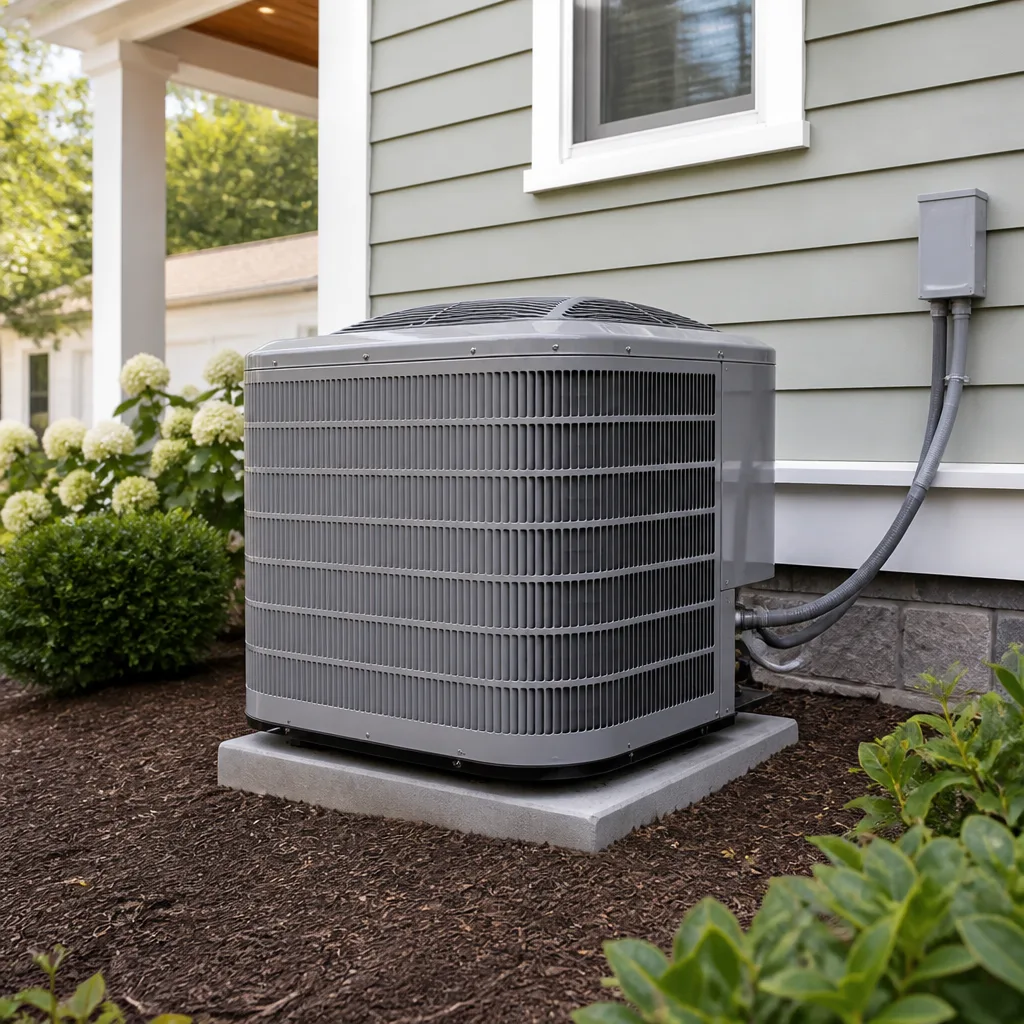 Carrier
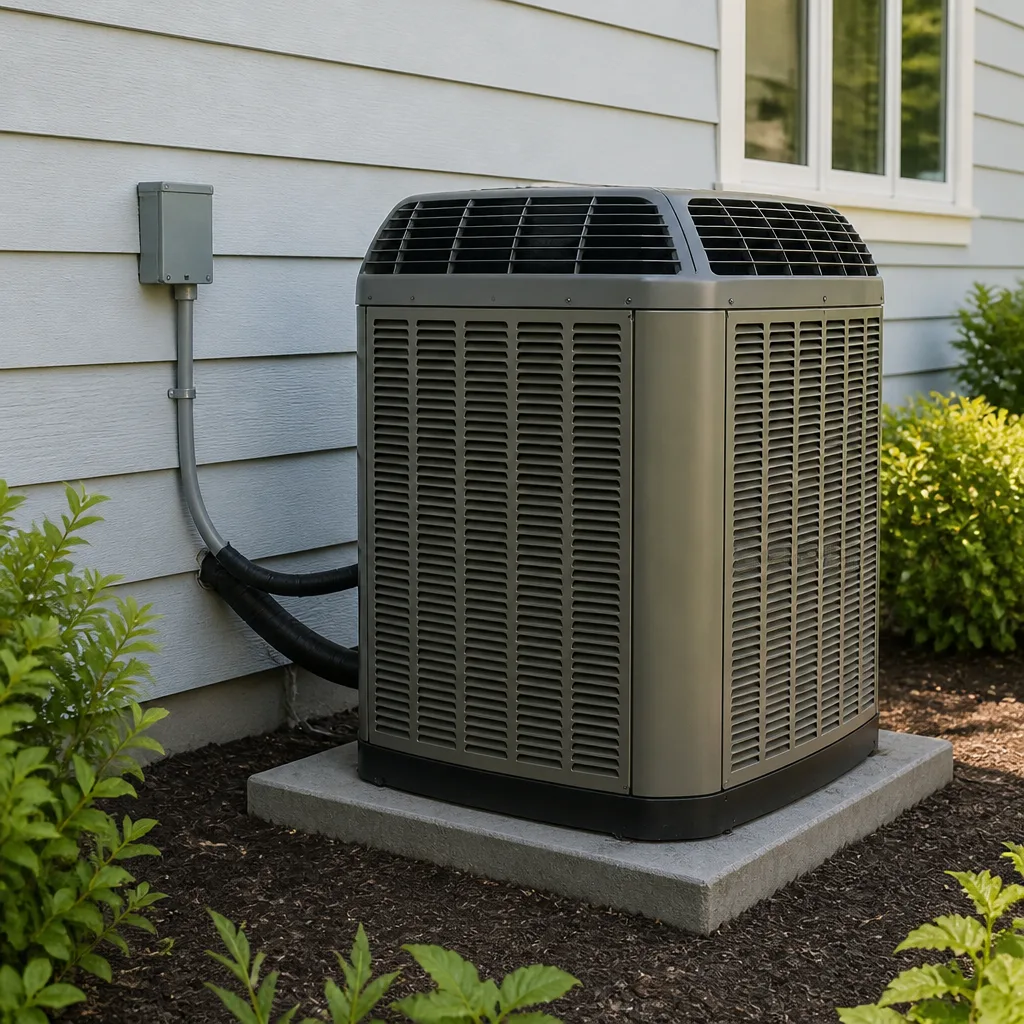 Trane
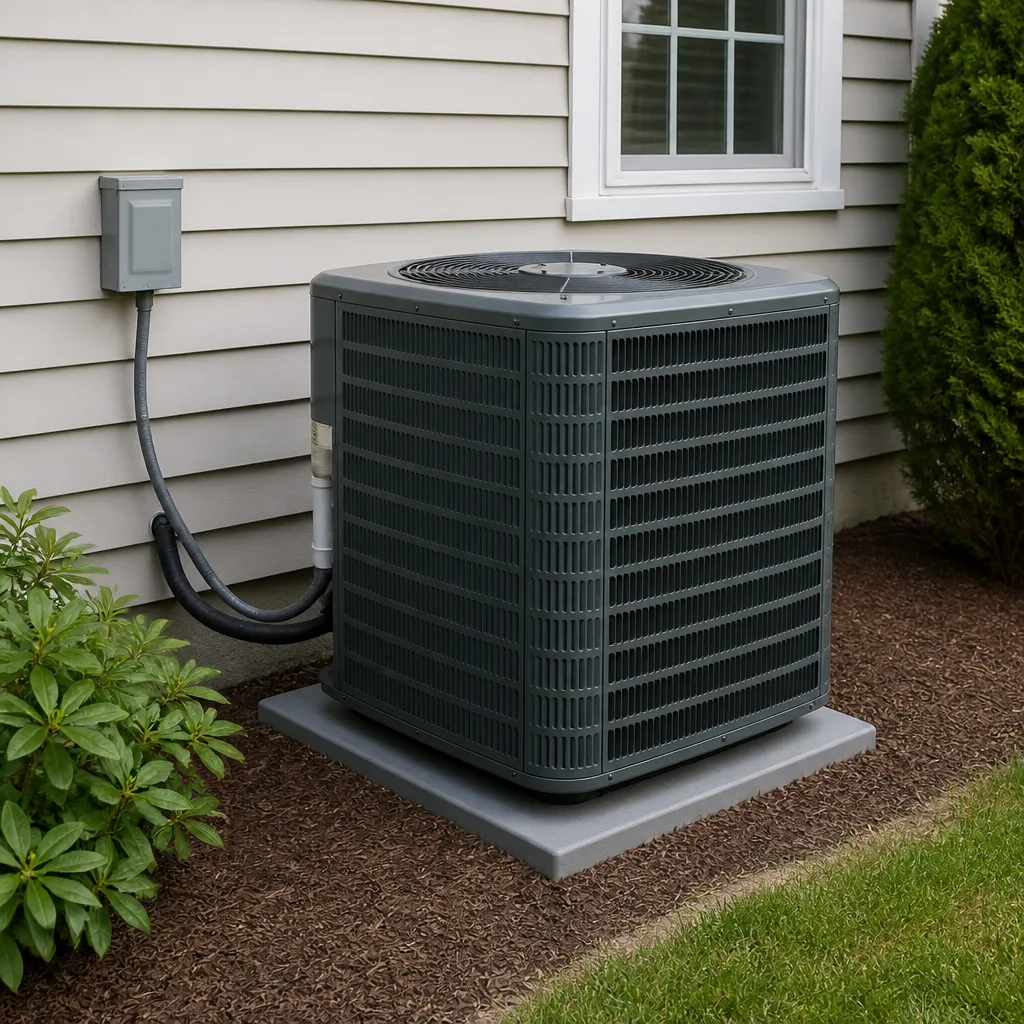 Goodman
Seasonal tune-up and full diagnostic on your Carrier, Trane, or Goodman system - readings shown to you before any repair is proposed
Diagnosis first, numbers second - you approve the repair price before a single part goes in.
Get your free estimateChoosing the Right HVAC Brand: A Buyer’s Guide for Irving
Here’s something the brand brochures won’t tell you: a premium unit from the manufacturer with the best reputation can still become the most expensive mistake you make in your home. The equipment matters, yes. But the technician who commissions that equipment matters more, and a weak installation can void the very warranty you paid the premium for. We’ve spent enough time in Irving attics to see both outcomes sitting side by side on the same street. This guide is about evaluating the two things together: the brand, and the person behind the tools. You’ll learn how warranty terms actually work, which brands hold up in the DFW parts market, how to match equipment tier to your home, and how to read efficiency numbers against Irving’s real cooling load. By the end, you’ll know how to buy smart, not just expensive.
Quick Answer
The “best” HVAC brand in Irving depends on three things working together: a manufacturer with solid local parts support in the DFW market, a system tier matched to your home’s age and duct condition, and a contractor who is factory-certified on that specific brand. No single brand wins on every measure. In our experience, a mid-tier Goodman or Rheem installed by a technician who knows the equipment outperforms a premium Lennox or York installed by someone guessing at torque specs and refrigerant charge.
Styles & brands we work with
- AC repair
- Furnace & heating
- Heat pumps
- Ductless mini splits
- Carrier
- Trane
- Goodman
Table of Contents
- Why the Tech-Brand Match Matters More Than the Brand
- Reading Manufacturer Warranty Terms Beyond the Headline Years
- Parts Availability and Reliability in the DFW Market
- Matching Brand Tier to Your Home’s Age and Duct Condition
- What Dealer Certification Programs Actually Mean
- The SEER2 Reality: Efficiency Numbers vs. Actual Savings
- How to Verify a Contractor Before You Sign
- What a Proper Installation Involves
Why the Tech-Brand Match Matters More Than the Brand
Every manufacturer publishes a spec sheet. Very few of them certify technicians to install to that spec. When you buy a system, you’re not buying the metal in the box; you’re buying the factory training of the person who sets the refrigerant charge, sizes the return air, and verifies static pressure. A contractor who installs dozens of Lennox systems a year knows the peculiarities of that equipment. A generalist who installs whatever the supply house has in stock learns on your dime, and the manufacturer will notice if it fails.
We’re a multi-brand HVAC specialist, not a generalist home-services franchise. Our technicians are trained on nine manufacturers, and we don’t claim to walk into every brand with equal birthright. Some brands we see every week, and the diagnostics become muscle memory. That matters because the difference between a system that lasts 15 years and one that fails in year three often isn’t the brand; it’s the torque spec on a flare fitting, the size of the return, or whether the commissioning report was actually filled out.
Here in Irving, we see this play out in neighborhoods across the city, from the older ranch homes around Heritage District to newer builds up near Las Colinas. Homeowners there sometimes call us after a recent install, frustrated because the system “just doesn’t cool right.” Nine times out of ten, the equipment is fine. The install wasn’t. That’s the scenario this whole guide is aimed at preventing.
The practical takeaway: when you shop a brand, ask who installs it and what training they have on that exact equipment. If the technician can’t name the manufacturer’s own commissioning checklist, you’re buying an unverified install. You shouldn’t have to explain your equipment to your technician. Kingsley focuses on exactly this gap: nine brands, one standard.
Reading Manufacturer Warranty Terms Beyond the Headline Years
Manufacturer warranties have three parts you need to separate: the equipment warranty, the labor allowance, and the conditions that void both. The headline number, usually 10 years on parts for registered equipment, is real but conditional. Registration is the first condition. Most manufacturers require you to register the equipment within a set window after installation, or the coverage defaults to a shorter baseline term. Ask your contractor who files that registration and when you’ll get written confirmation.
The second condition is installation quality. Manufacturers write their terms to require “installation by a licensed, qualified contractor in accordance with the manufacturer’s published instructions.” In practice, that line gives the manufacturer an out if the install was sloppy. They can and do deny claims for improper refrigerant charge, undersized ductwork, or failure to follow the commissioning procedure. Our AC installation process exists to close that gap: we document commissioning so the manufacturer can’t argue about it later.
Third, understand what’s excluded. Cosmetic failures, damage from shipping, and damage caused by another trade handling the system are typically outside the manufacturer warranty. Some brands offer longer compressor-specific coverage; some don’t. Read the fine print on what is actually covered versus what the headline number implies.
- Registered equipment: confirm who registers, when, and that you get a copy of the registration.
- Registered installation: keep the commissioning report as proof of proper setup.
- Covered parts vs. covered labor: the parts warranty may not cover the technician’s time to reach the part.
- Compressor specific terms: ask separately; these vary widely across brands.
- Voids: improper installation, third-party tampering, and non-registration are the usual ones.
When we quote a system, we walk through the warranty paperwork with you rather than hand it over. In our experience, that’s the difference between a homeowner who can enforce a warranty and one who finds out at year twelve that no one registered the unit.
Parts Availability and Reliability in the DFW Market
Parts availability is a real, underrated factor in brand choice for Irving homeowners. The DFW market supports deep distributor networks for the most commonly installed brands, which means when a compressor or a control board fails, the replacement part may be on a shelf in Dallas or on a truck by the next morning. Rarer brands, or brands with limited regional distribution, can mean a longer lead time and a longer time without cooling.
We’re certified on Carrier, Trane, Lennox, Goodman, Rheem, York, Daikin, Bryant, and American Standard. That’s not a marketing line. It means when your Goodman system needs a specific control board, we know where to source it and how long it’ll take. When your Rheem condenser needs a fan motor, we know the exact part because we’ve replaced that motor on that platform dozens of times. This is the practical payoff of staying brand-agnostic and brand-familiar at the same time.
Reliability across these nine brands is closer than the surveys suggest. Goodman has historically carried a reputation scar from its early years, but in our experience on newer equipment, its build quality has tightened considerably and its parts network is broad. Lennox has a strong premium reputation, though some models use proprietary control boards that cost more when they fail. Rheem and York sit in a sweet spot of common parts and reasonable cost. Daikin and the other big names have their own reputations and their own distributor depth in the Metroplex.
The honest answer: on reliability alone, the gap between these nine brands is narrower than the marketing claims suggest. What isn’t narrow is the after-sale experience: parts, support, and whether your contractor knows the system. Call (855) 473-9031 and we’ll talk through parts availability on whatever brand you’re evaluating.
Matching Brand Tier to Your Home’s Age and Duct Condition
The single most expensive mistake in Irving HVAC buying is putting a premium variable-speed system into a house with leaky, undersized ducts. A high-end system needs correct airflow to earn its efficiency. A 1970s house with original ductwork, disconnected flex runs, and an undersized return duct will fight that system every day. The premium unit ends up throttled or cycling, and you paid more for capacity you can’t actually use.
Our rule of thumb when sizing a system:
- Newer home, tight ducts, good insulation: premium variable-speed equipment can earn its cost. The home can actually benefit from low-speed operation that dehumidifies and holds temperature steady.
- Mid-century home, decent ducts: a mid-tier two-stage system is often the sweet spot. The right Goodman or Rheem two-stage unit, commissioned carefully, will outperform a higher-tier system choked by mediocre airflow.
- Older home, ducts in need of work: spend the money on duct repairs and airflow first. A mid-tier single-stage system with proper ductwork will beat a premium system with bad ductwork every single time.
- Attic location, long runs: in Irving’s hot summers, duct leakage in the attic is a real capacity thief. Ducts sealed and insulated properly matter more than brand on these homes.
We see homes across Irving with both duct profiles. In mature neighborhoods like Heritage District and the older ranch streets around downtown, duct condition matters as much as the equipment. In newer construction, the equipment tier matters more. Our job as a brand-neutral diagnostician is to point you toward the right combination for your specific house, not toward the highest-margin system. That’s what the Kingsley standard means in practice: we hold every recommendation to what your home actually needs.
What Dealer Certification Programs Actually Mean
Most major manufacturers run dealer certification programs. These are not marketing trophies. They’re training tiers with specific install and service requirements. Asking “are you certified” isn’t enough; you need to know which certification and on which equipment.
Here’s how the certifications generally work, and what to ask:
- Factory-authorized dealer: the contractor has completed the manufacturer’s dealer onboarding and can register equipment with the manufacturer directly. This is the baseline.
- Certified installer: at least one technician or team member has completed the manufacturer’s installation training and holds a current credential. This is where the install quality actually originates.
- Certified service: training on diagnosing and repairing that brand’s equipment. This matters for the next decade of ownership.
- Premier or top-tier dealer: a higher tier with additional requirements and, often, longer labor allowances or extended warranty options. Ask what those are.
How to verify: ask the contractor for the manufacturer’s dealer lookup, their certification number, and which staff are certified. Call the manufacturer’s dealer line and confirm. This takes ten minutes and it may save you thousands. We’re certified on nine brands, but we don’t ask you to take that on faith; we’ll point you to the paperwork. And if you want to understand the brand landscape from the repair side first, AC repair experience tells you a lot about which brand holds up in the field. Heating and cooling, handled, starts with honest verification.
The SEER2 Reality: Efficiency Numbers vs. Actual Savings
SEER2 is the current efficiency rating system, and it measures seasonal efficiency under a revised test protocol. Higher SEER2 means a more efficient unit. It does not mean a proportional savings on your utility bill. Irving’s cooling load is heavy: long summers, high humidity in spring and fall, and shoulder seasons that push systems into odd cycling patterns. That load profile interacts with efficiency ratings in ways the single number doesn’t show.
The savings math works like this:
- Baseline: your current system’s efficiency (if it’s 10-12 years old, likely a 10 or 13 SEER original, which translates to a lower SEER2 equivalent).
- Upgrade step 1: moving to a standard-efficiency SEER2 unit usually produces the largest percentage gain, because you’re replacing an aging system.
- Upgrade step 2: moving from standard to high-efficiency (two-stage or variable-speed) adds another increment, but the incremental payoff shrinks as the baseline improves.
- The honest ceiling: the premium for the highest-efficiency tier pays back fastest in a tight, well-insulated, well-ducted home with heavy usage. In a leaky Irving attic-duct home, payback is much slower, and duct repair may yield more savings per dollar.
We never promise a percentage of savings because it depends on your home, your usage, and your ducts. What we can do is size the system correctly, document the airflow, and explain the tier tradeoffs plainly so you can decide where the money goes. If you want to understand the sizing piece, our residential Kingsley AC Repair team runs the load calculation before we recommend a tier. Efficiency ratings are a tool, not a promise.
How to Verify a Contractor Before You Sign
Verification is where most Irving homeowners skip a step and regret it. The brand you buy is only as good as the contractor installing it. Here’s the checklist we’d want on our own houses:
- Confirm the manufacturer certification on the exact brand and tier you’re buying. Ask for the number.
- Confirm licensing and insurance for the specific crew, not the company’s marketing site.
- Ask for the load calculation. A proper Manual J load calc should exist for any new install. If a contractor is sizing by square footage alone, walk.
- Ask for the commissioning report. Refrigerant charge, static pressure, airflow, and temperature split all documented.
- Ask who registers the warranty and when you’ll get the confirmation.
- Ask what happens after the install. Who services the system, and are they certified on that brand.
- Confirm the written estimate. The final price is set by the written estimate; a verbal quote isn’t a contract.
These seven questions will separate a serious HVAC specialist from a generalist contractor in under an hour. Our Irving customers ask them, and we’re glad they do. Brand selection is a two-party decision: the manufacturer builds it, the contractor installs it. Verify both.
What a Proper Installation Involves
Most homeowners never see the installation process, which is exactly why a bad one can hide for years. A proper install on any of the nine major brands we service has a defined sequence, and each step affects whether the equipment hits its rated performance.
The core sequence:
- Load calculation and equipment selection: Manual J sizing, then equipment selection matched to the home.
- Duct evaluation: static pressure measurement, return air adequacy, and sealing any leaks discovered.
- Line set and electrical: proper sizing, brazing, evacuation, and electrical verification before startup.
- Refrigerant charge: weighed in and verified against manufacturer spec, not guessed by feel.
- Startup and commissioning: temperature split, static pressure, airflow, and documentation.
- Warranty registration: filed correctly, with a copy to you.
Every one of these steps appears in the manufacturer’s published instructions for every brand we install. When a system fails early, it’s often because one of these was skipped. The Kingsley standard holds every job to the full sequence, on every brand. That’s what “nine brands, one standard” means in practice. Our furnace work follows the same discipline; a heating system in Irving still has to hold the same commissioning bar.
Common Mistakes to Avoid
- Buying on brand reputation alone. The best-reviewed brand in a national survey is no better than the install behind it. Vet the technician before you commit to the equipment.
- Ignoring duct condition when picking a tier. Premium variable-speed equipment in a leaky Irving attic duct system underperforms a mid-tier unit in the same house. Ductwork first, equipment tier second.
- Trusting the headline warranty number. Registration and proper installation are conditions of coverage. If either fails, the manufacturer can deny the claim, and you’ll be paying out of pocket.
- Skipping the load calculation. A contractor sizing by square footage alone is guessing. Manual J exists for a reason, and in Irving’s heat it matters.
- Choosing a brand with weak DFW parts support. A system is only as good as the parts network behind it. Ask how long a replacement compressor or control board takes to arrive.
- Not asking who registers the warranty. Unregistered equipment can lose years of coverage the day it’s installed. Get written confirmation.
- Treating certification as a checkbox. Ask which manufacturer certification the installer holds on the specific brand you’re buying, and verify it with the manufacturer.
See the difference
 Before
 After
 Before
 After
 Before
 After
When to Call a Professional
Some HVAC work is genuinely a professional job, and brand selection and install quality are among them. If your system is failing and you’re deciding between repair or replacement, the decision needs a technician who knows your equipment, not a sales pitch. If you’re shopping a new system and the contractor can’t produce a load calculation, a commissioning report, and their manufacturer certification number, that’s your signal to call someone else. If your current system has lost refrigerant, tripped a breaker, or hasn’t been commissioned to spec after a recent install, get a trained technician on it. These systems handle high voltage and pressurized refrigerant; they’re not a DIY project. Kingsley AC Repair offers free estimates in Irving; call (855) 473-9031. We answer 24/7, with fast dispatch from 7am to 7pm, Sunday through Friday.
Frequently Asked Questions
There isn’t one best brand; there’s a best match for your home and your installer. In our experience, Goodman and Rheem offer strong parts support and value in the DFW market, Lennox and York hold up in the premium tier when properly commissioned, and Carrier, Trane, Daikin, Bryant, and American Standard all have solid regional distribution. The differentiator is who installs it and whether they’re factory-certified on that brand. Call (855) 473-9031 for a free estimate and we’ll walk through the tradeoffs for your specific home.
Usually, but not in the direct proportion the number suggests. Higher SEER2 means higher efficiency under the standardized test, and in Irving’s heavy cooling load that generally translates to lower bills. But duct condition, insulation, and correct sizing often matter as much as the rating itself. A well-sized mid-efficiency system in a tight home can beat a premium system with bad ductwork. Call (855) 473-9031 and we’ll run the numbers for your setup.
Sometimes. Every major manufacturer’s warranty terms require installation “by a licensed, qualified contractor in accordance with the manufacturer’s published instructions.” If the install was improper, the manufacturer can deny the claim even on a registered unit. That’s why we document commissioning on every install. Call (855) 473-9031 and we’ll review your warranty terms before you buy.
It depends on the manufacturer and the contractor. Many manufacturers give you a window to register the equipment, and the contractor often does this on your behalf as part of the install. But you shouldn’t assume; ask who’s filing it and when you’ll get written confirmation. Unregistered equipment can lose years of coverage. Our AC installation process includes registration paperwork and a copy for your records. Call (855) 473-9031 for details.
Sometimes but often not. The cheapest brand available may have weaker parts distribution in DFW, which means longer waits and higher part costs when something fails. A mid-tier brand from Goodman or Rheem, properly installed, usually outlasts the cheapest option. Price on brand alone ignores the installer, the parts network, and the commissioning. Call (855) 473-9031 and we’ll help you weigh the tradeoffs.
It depends on age, refrigerant type, and condition. A system in its mid-life on a common refrigerant can usually be repaired economically; a system that’s lost its charge or is on a phased-out refrigerant is often better replaced. In Irving’s cooling load, a failing system in summer becomes urgent fast. Our approach is diagnosis first, recommendation second, brand-neutral. Call (855) 473-9031 for a free estimate.
The Bottom Line
The “best HVAC brand” question is really two questions stacked: which equipment suits your home, and who’s certified to install it. Answer both, and you’ll buy smart. Answer only the first, and you may join the ranks of homeowners who paid premium prices for a mid-tier install. Our guidance comes down to this: read the warranty conditions, check local parts support, match the equipment tier to your duct condition, run the load calculation, and verify your installer’s manufacturer certification. Kingsley AC Repair has served the DFW area since 2014, we know the nine major brands inside out, and we don’t sell one brand over another. Call (855) 473-9031 for a free estimate. We answer 24/7, with fast dispatch from 7am to 7pm, Sunday through Friday.
Written by the team at Kingsley AC Repair, serving Irving since 2014.