
Last updated November 14, 2026
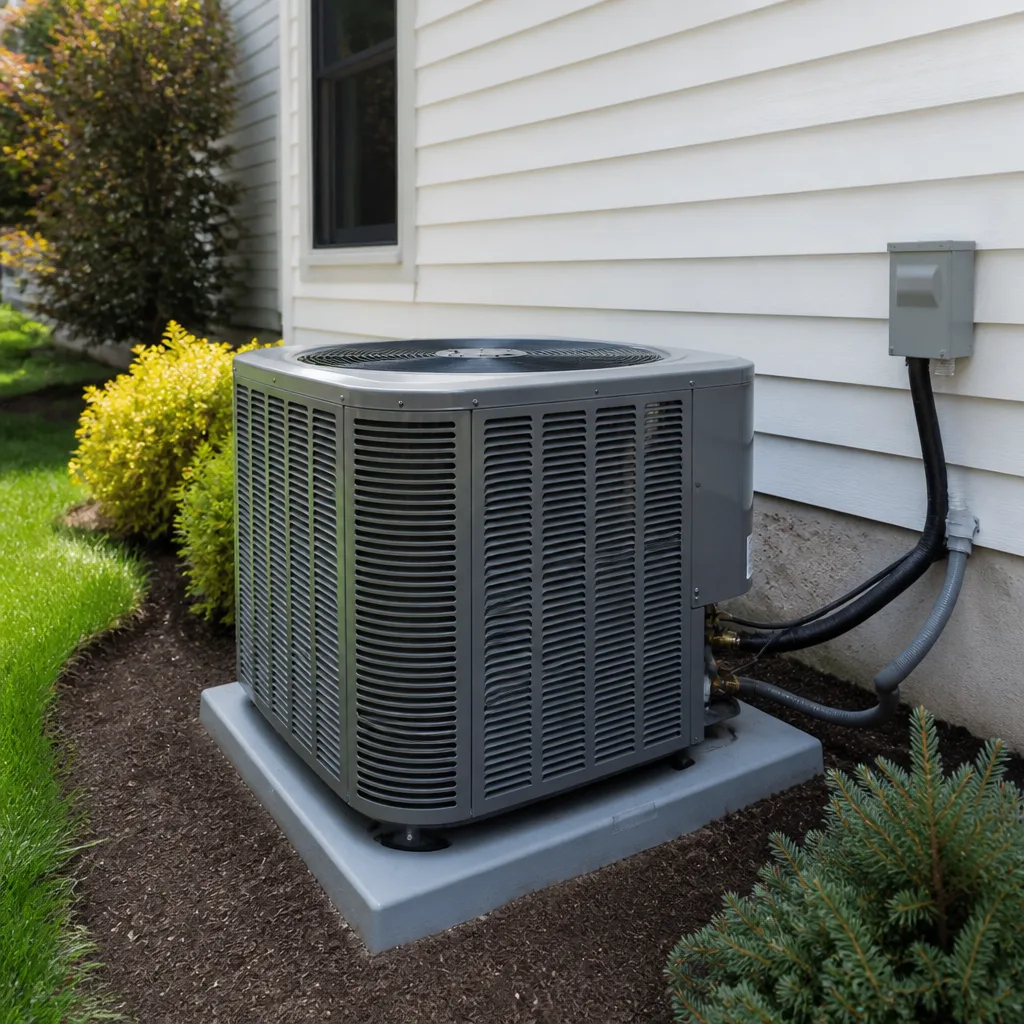 AC repair
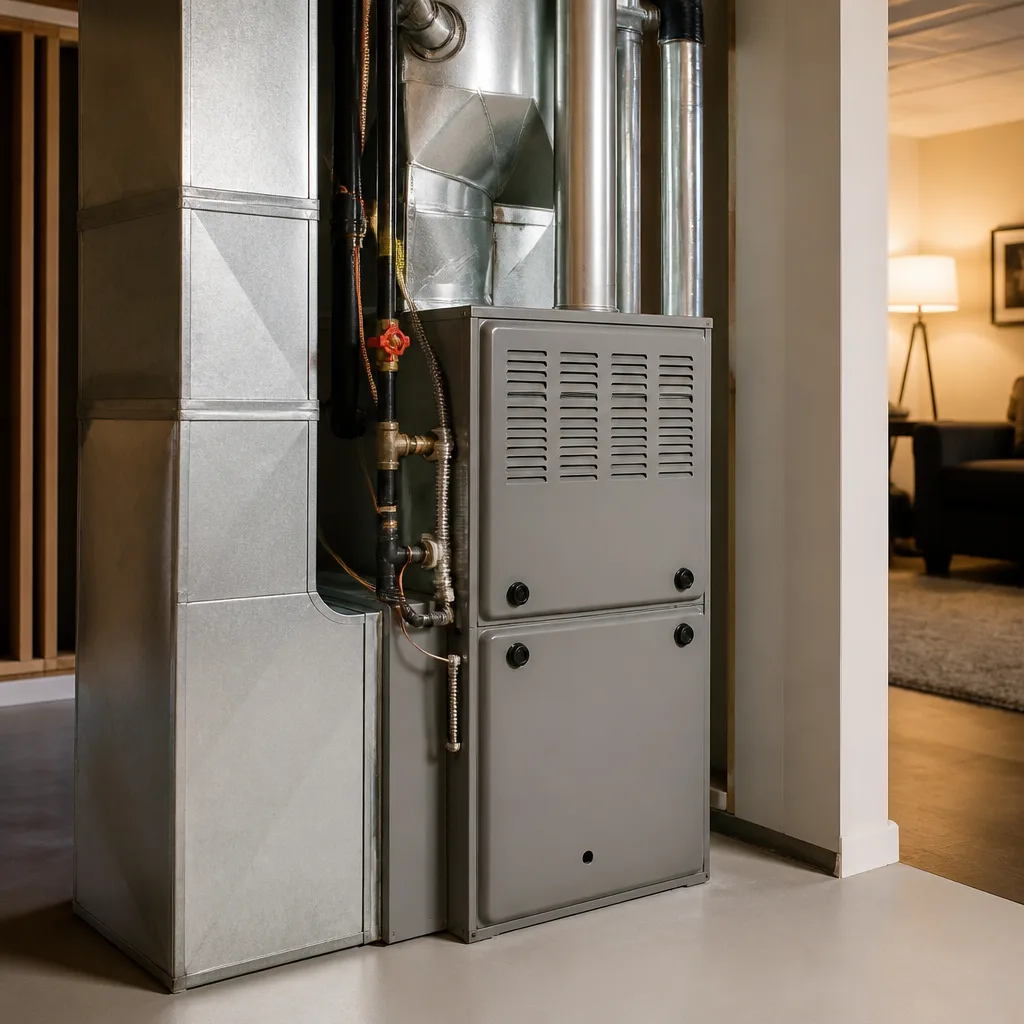 Furnace & heating
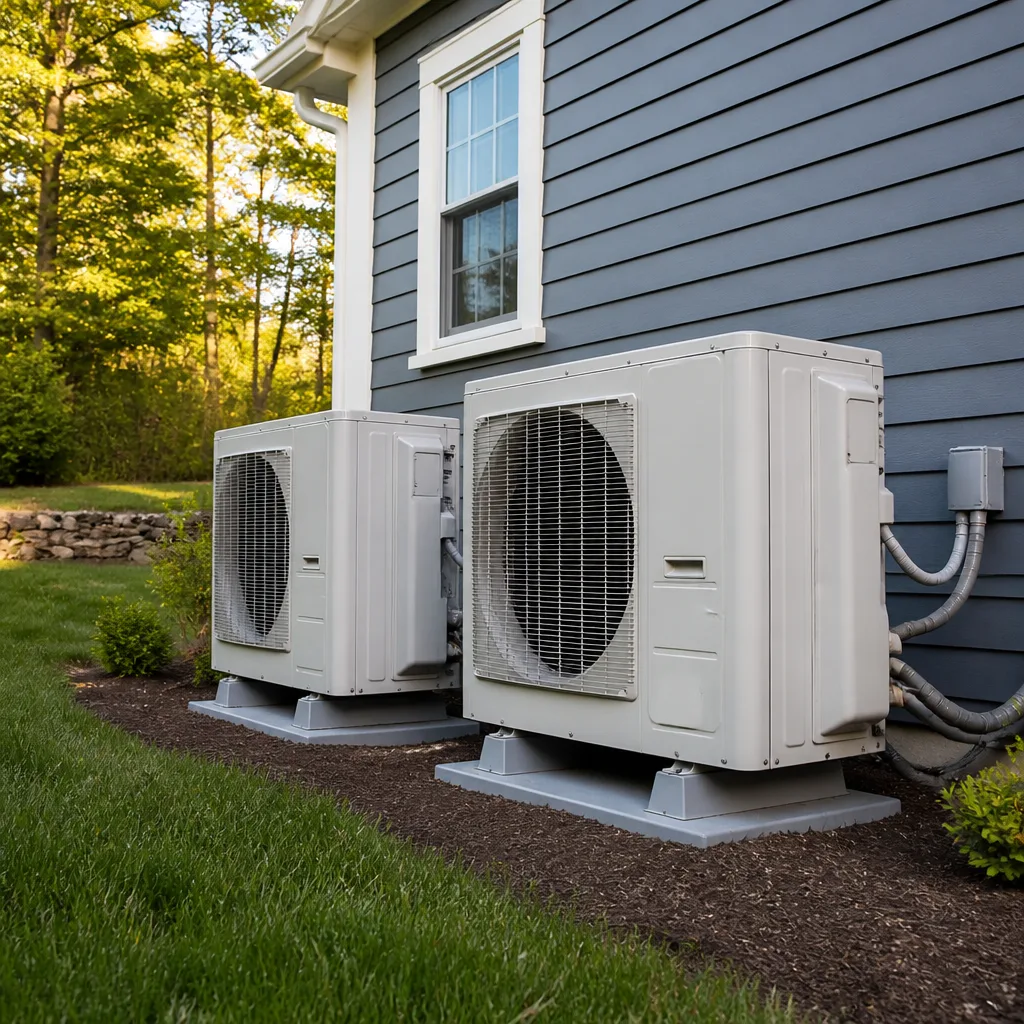 Heat pumps
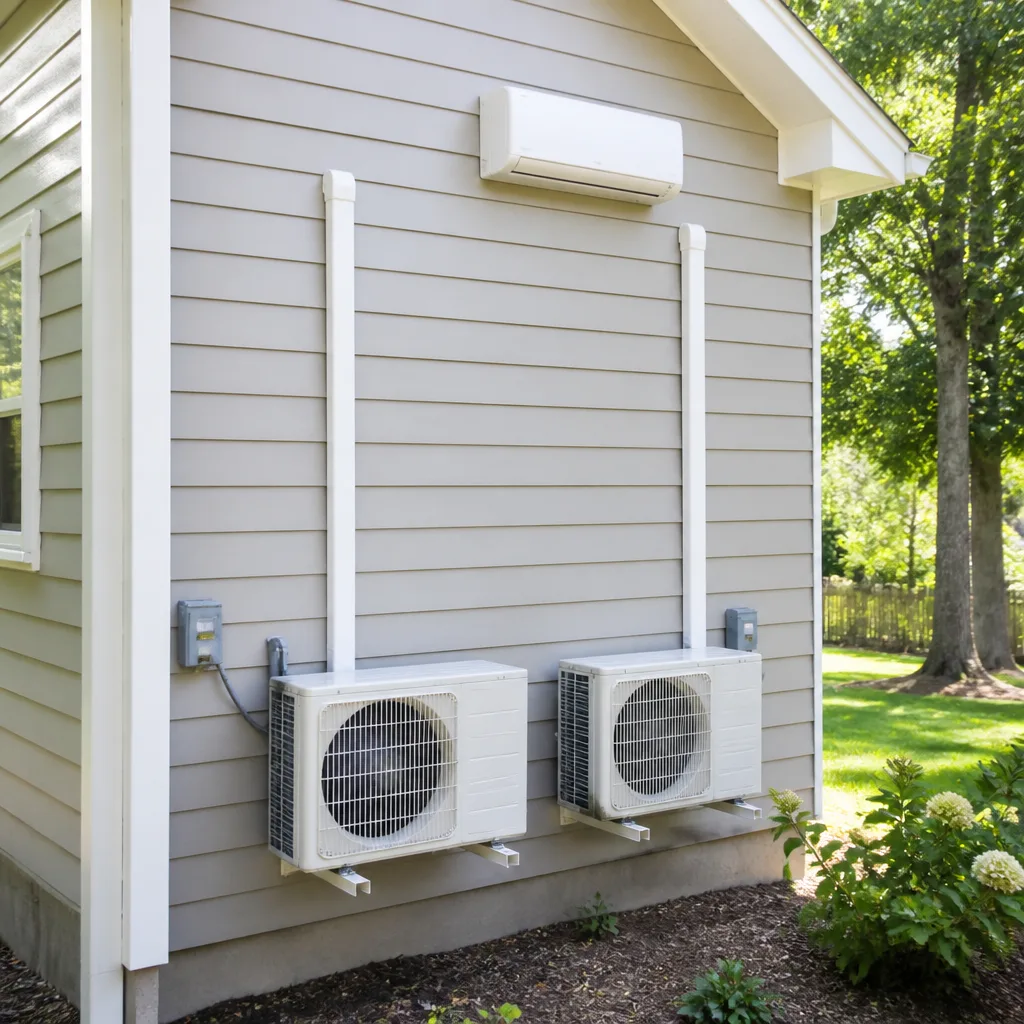 Ductless mini splits
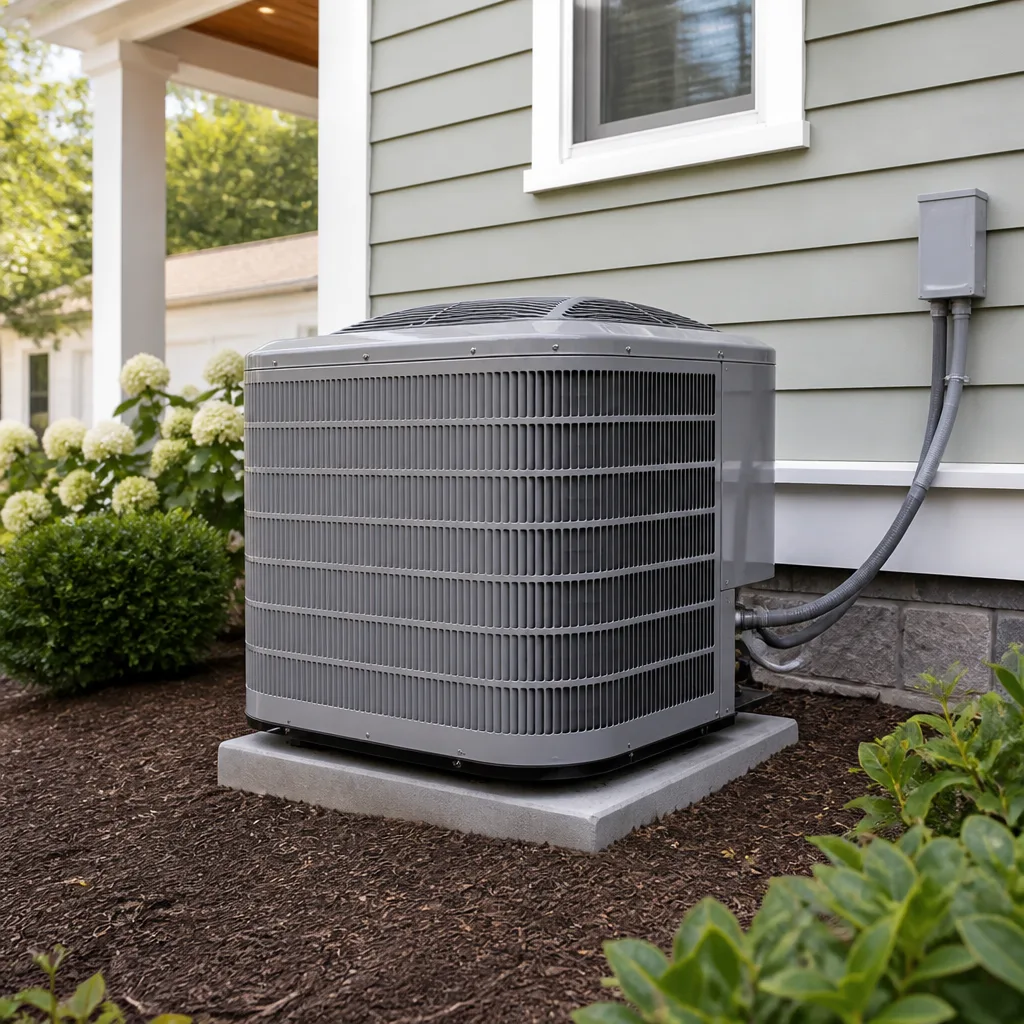 Carrier
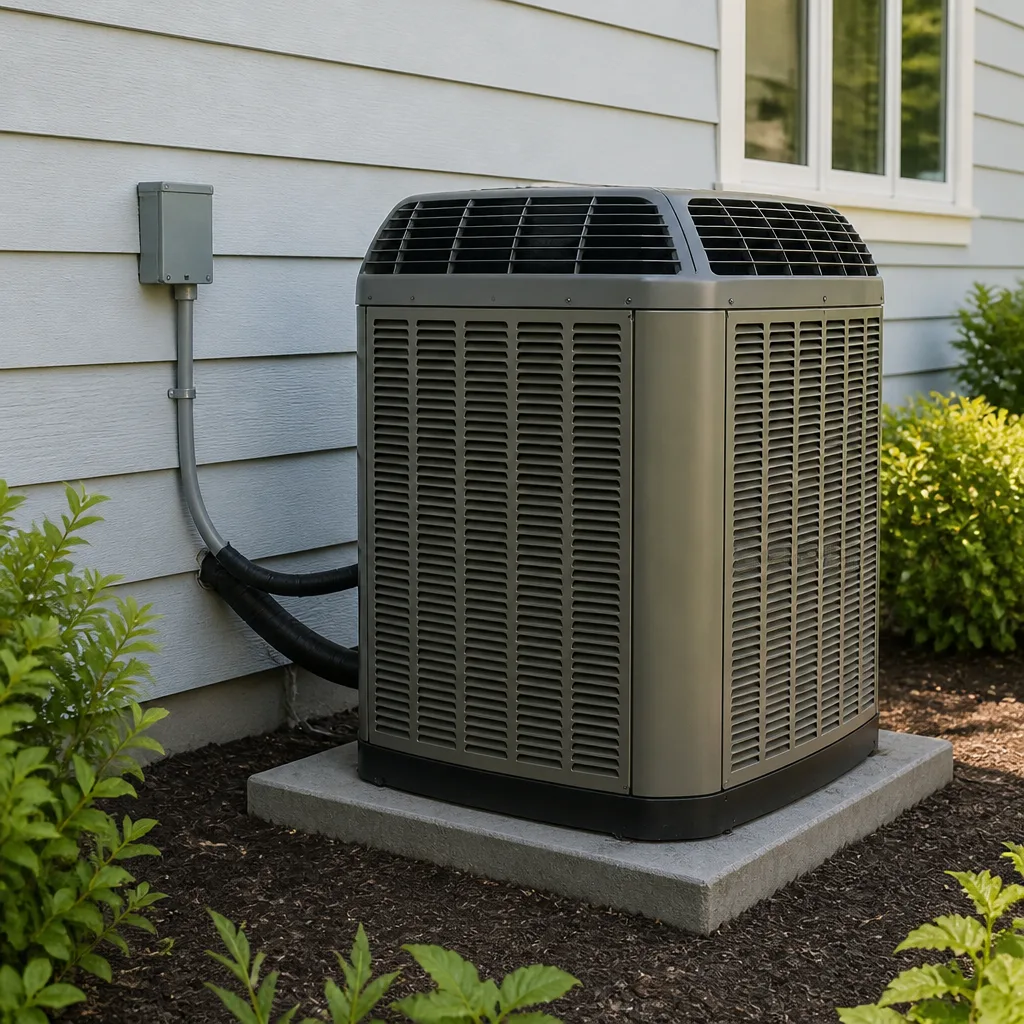 Trane
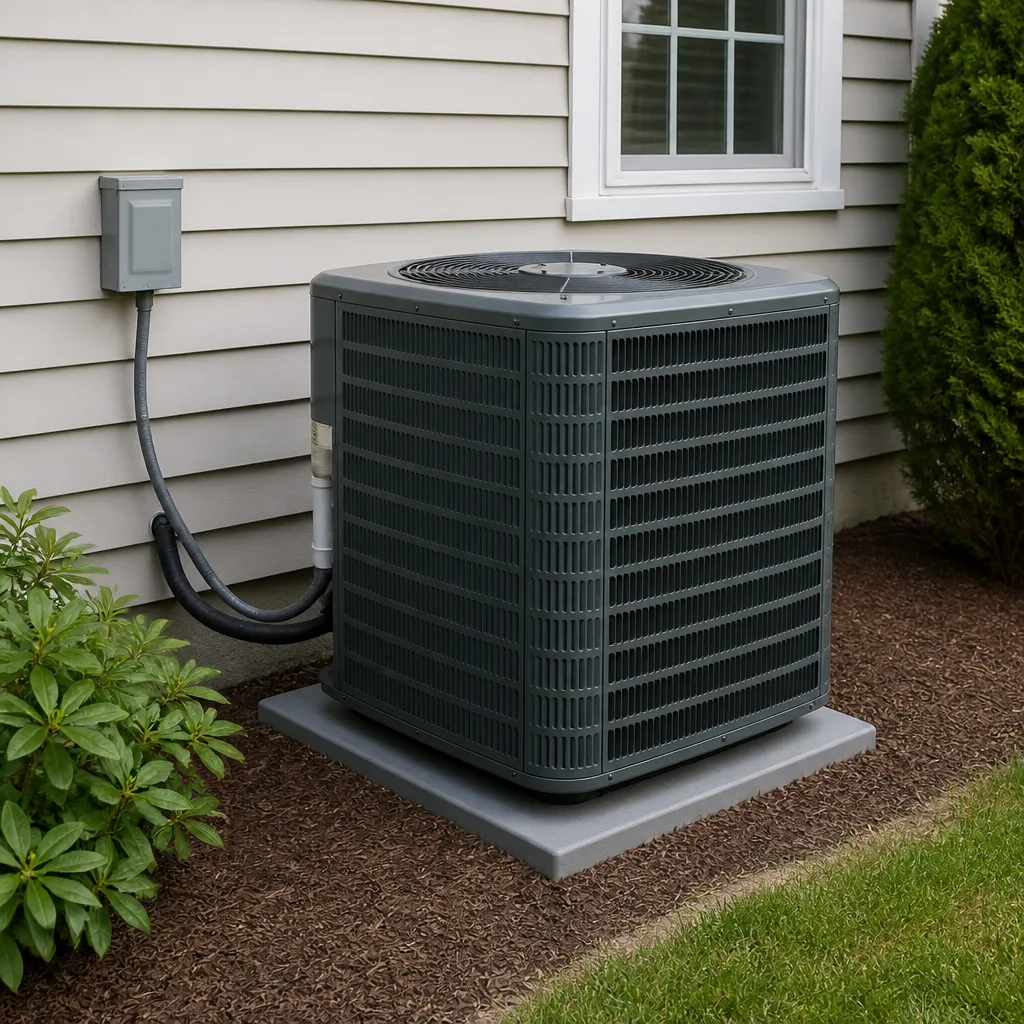 Goodman
Seasonal tune-up and full diagnostic on your Carrier, Trane, or Goodman system - readings shown to you before any repair is proposed
Diagnosis first, numbers second - you approve the repair price before a single part goes in.
Get your free estimateDIY vs Professional HVAC: The Irving Homeowner’s Decision Guide
Two tasks sit on the same weekend to-do list. Swapping a thermostat takes a screwdriver and twenty minutes. Adding refrigerant takes a gauge set, a recovery machine, and a federal certification – and doing it without that certification is a violation of the Clean Air Act. From the outside, both look like the same kind of “simple” repair. That gap between how hard a job looks and how hard it actually is makes for expensive mistakes. This guide draws the line for Irving homeowners: what you can safely do yourself, what you can do with real caution, and what belongs in the hands of a trained technician. You’ll get specific reasoning, warranty consequences, and a clear picture of when a DIY attempt costs more than a pro.
Quick Answer
Most Irving homeowners can safely handle air filter changes, thermostat replacement, outdoor coil cleaning, and basic airflow troubleshooting themselves. Refrigerant work, capacitor and contactor replacement, gas furnace components, and electrical panel connections are professional-only – these involve federal refrigerant law, high-voltage danger, and warranty terms that a DIY attempt can void. The middle tier, tasks like blower motor inspection or drain line flushing, is doable with real caution and the right preparation.
Styles & brands we work with
- AC repair
- Furnace & heating
- Heat pumps
- Ductless mini splits
- Carrier
- Trane
- Goodman
Table of Contents
- Where Texas Law Draws the Line
- The Three Tiers of HVAC Work
- How DIY Affects Warranty and Insurance
- The Real Cost Comparison
- Which YouTube Repairs Actually Apply
- Irving’s Climate and Housing Reality
- Deciding in the Moment
- Common Mistakes to Avoid
Where Texas Law Draws the Line
Texas HVAC work is regulated by the Texas Department of Licensing and Regulation, or TDLR. The rules that matter most to a homeowner are straightforward: any work involving refrigerant handling, and any work that requires an HVAC license to legally perform, is off-limits for a homeowner without the required certification. The federal layer sits on top of that. Under Section 608 of the Clean Air Act, only certified technicians can buy, handle, and safely recover regulated refrigerants. That’s not a suggestion or a community standard – it’s federal law with real penalties.
So what can an Irving homeowner do themselves? The list is longer than you might think:
- Replacing air filters – no refrigeration, no electrical risk, no code issue.
- Cleaning the outdoor condenser coil with a garden hose and coil cleaner.
- Replacing a thermostat with a compatible smart or programmable model.
- Clearing debris from around the outdoor unit.
- Checking that supply registers are open and unobstructed.
- Vacuuming out a condensate drain line with a shop vac.
- Inspecting and gently cleaning the blower wheel when power is fully off.
The line becomes crisp at three places: refrigerant, gas lines, and live electrical components. Anything that touches those is professional territory, not because technicians like to gatekeep, but because the risk of injury, the legal exposure, and the damage to the system are real. If your system is a Trane or Lennox unit still under a manufacturer warranty, the warranty terms pile on another layer – more on that below. For most projects in an Irving home, the sensible answer is to do what you’re sure of and let a specialist handle the rest. When refrigerant, compressors, or control boards enter the picture, that’s a job for AC repair specialists who know the equipment.
The Three Tiers of HVAC Work
HVAC tasks don’t split neatly in two. They split in three: DIY-safe, DIY-with-caution, and professional-only. The reasoning behind each classification is worth understanding because it’s what protects your system and your wallet.
Tier 1 – DIY-safe. These tasks carry no refrigerant contact, no high-voltage exposure when power is off, and no code or warranty conflict when done correctly.
- Air filter replacement. Most Irving homes need a filter change every 30 to 90 days depending on pets and dust. A dirty filter strains a Carrier or Goodman blower and drives up energy use.
- Outdoor coil cleaning. A hose rinse with the unit off removes leaf litter and pollen. North Texas cottonwood and dust accumulate quickly.
- Thermostat replacement. With power to the air handler off at the breaker, a smart thermostat swap is a low-risk project most homeowners can complete.
- Register and duct opening checks. Confirm that supply and return registers aren’t blocked by furniture or rugs.
- Condensate drain flush. Pouring distilled vinegar or using a shop vac on the drain line prevents the pan overflow that can trigger a water-stain call in July.
Tier 2 – DIY-with-caution. These are technically doable but require real preparation, and a small error can turn an inexpensive job into a costly one.
- Blower motor inspection. With the air handler breaker off, you can check the wheel for debris. Never reach into the housing without confirming the breaker is off and locked.
- Evaporator coil cleaning. Possible with the right foaming coil cleaner, but coil fins damage easily and access varies widely by equipment model.
- Ductwork taping. Foil tape on visible supply trunk leaks is fine. Sealing joints inside a closed wall cavity is not.
Tier 3 – Professional-only. These are non-negotiable, and every one of them matters to personal safety and legal compliance.
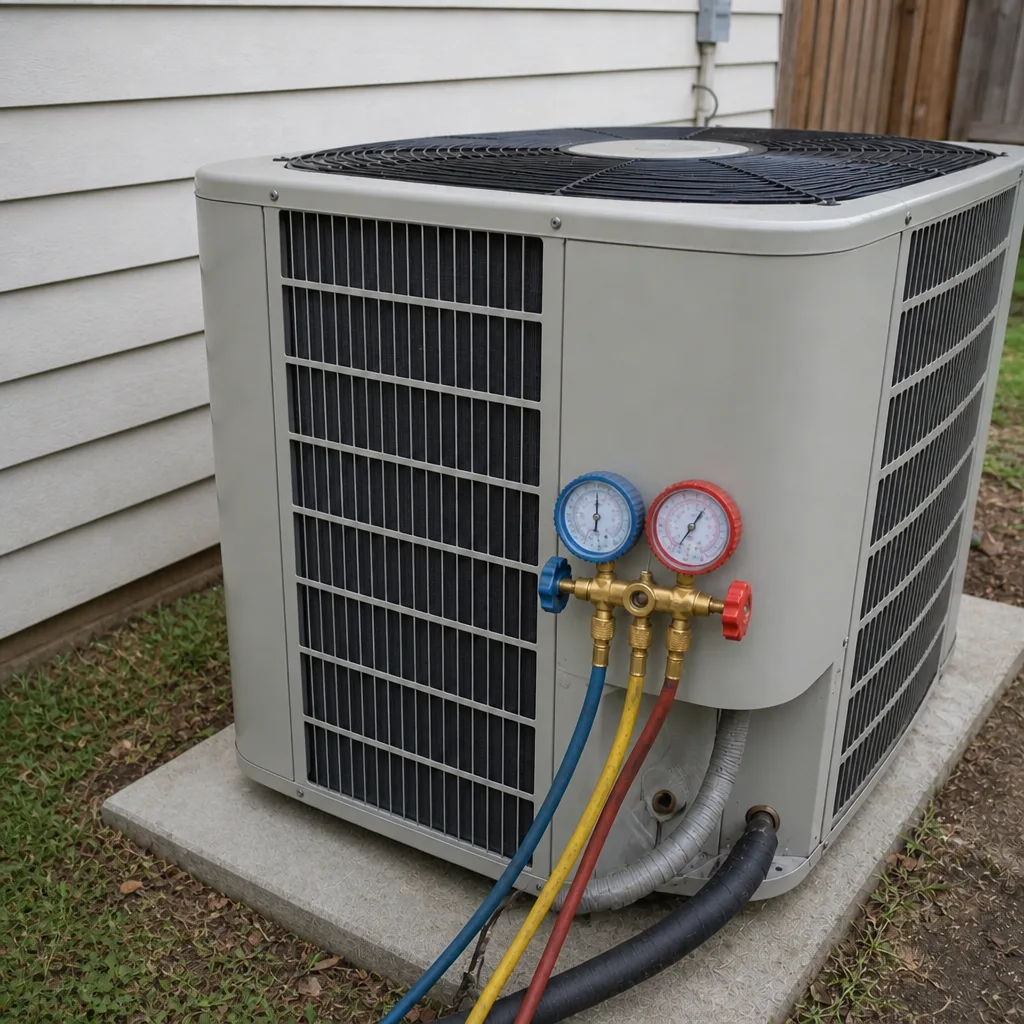
- Refrigerant recharge or recovery. Federal law requires certification, the proper equipment, and the right refrigerant blend for your specific equipment.
- Capacitor and contactor replacement. These store enough charge to injure or kill even after power-off. Capacitors must be discharged safely.
- Compressor and control board swaps. The electrical diagnostics and calibration involved are beyond homeowner scope.
- Gas furnace valve, igniter, or heat exchanger work. Any gas-side component is a carbon monoxide risk when mishandled.
- Electrical panel connections and disconnect wiring. Getting this wrong can create fire risk or code violations.
If you’re uncertain which tier a specific symptom lands in, a short call to a specialist is faster than a YouTube rabbit hole. Kingsley AC Repair offers free estimates in Irving – call (855) 473-9031.
How DIY Affects Warranty and Insurance
Manufacturers build their warranties around the expectation that a certified technician performs certain work. When a homeowner opens the equipment and replaces a component on a system that’s still under warranty, the manufacturer can decline the claim. This is the part that surprises Irving homeowners most: the warranty language often doesn’t care whether the part was replaced correctly. It cares whether the work was performed by someone outside the authorized scope.
The three main triggers for a voided or reduced warranty claim are:
- Refrigerant work by a non-certified person. Under federal rules, the manufacturer can and often does void the refrigerant-side portion of the warranty.
- Electrical component swap with the wrong part. A capacitor with the wrong microfarad rating will work briefly, then fail and take downstream parts with it. The downstream damage is typically not covered.
- Compressor seizure after a DIY recharge. Overcharging or undercharging a system is a leading cause of premature compressor failure – and compressors are the most expensive single component in the system.
The homeowner’s insurance side is less dramatic but worth understanding. Standard homeowner policies do not cover mechanical failure of HVAC equipment. They cover sudden, accidental damage – water damage from a frozen coil or fire from improper wiring. If an insurance adjuster asks whether a licensed technician performed recent work on the equipment, and the answer involves a homeowner repair, coverage can be contested. This is why maintaining clear service records matters, and why every job we do is held to the Kingsley standard with a record you can bring to your insurer if you ever need to. If your system is still under manufacturer warranty, confirm before any DIY attempt whether that specific task is covered.
The Real Cost Comparison
The obvious math – “I save $150 doing it myself” – ignores the risk-adjusted cost of what happens if the DIY attempt goes wrong on a system that’s still under warranty. Here’s how that comparison actually breaks down.
Scenario 1: Capacitor replacement on a system still under warranty.
- DIY cost: roughly $20 to $40 for the part plus a Saturday.
- If the replacement works: you saved roughly $150 to $250 in labor.
- If the replacement fails because the wrong microfarad rating was used: the cascading damage to the motor or control board can reach $400 to $900, and the warranty may not cover it. That’s a much steeper bill than the technician call would have been.
Scenario 2: Thermostat replacement.
- DIY cost: roughly $100 to $250 for a smart thermostat.
- Risk if wiring is misread: low-voltage transformer damage, occasional control board damage. Real, but rare.
- Pro cost: usually $150 to $250 for installation on top of the thermostat. For most homeowners, the DIY version is a fair call – unless the thermostat is wired to a communicating system where the wiring pinout varies by manufacturer.
Scenario 3: Refrigerant top-off.
- DIY cost: none – this task is illegal without certification. The question isn’t whether it’s worth doing alone, it’s whether you’re prepared to violate federal law and risk the warranty to save the labor.
- Pro cost: usually around $250 to $600 depending on the amount of refrigerant and the diagnosis behind the leak.
- Risk-adjusted: the pro option is the only option.
The pattern is clear. On a newer system that’s still under a manufacturer warranty, the risk-adjusted math almost always favors the pro. On an older system with expired coverage, DIY chores in Tier 1 and some of Tier 2 still make sense. When you’re ready to bring in a technician, the free estimate you get before any work begins is what lets you compare properly. Kingsley AC Repair offers free estimates in Irving – call (855) 473-9031.
Which YouTube Repairs Actually Apply
Not all HVAC videos are created equal, and the ones that don’t apply to your equipment can be worse than no video at all. Two things separate useful videos from misleading ones: the climate the presenter works in, and the equipment generation they’re working on.
Climate mismatch is the biggest trap. A video made in a hot, dry climate addresses heat-related failure modes first. A video made in a cold northern climate prioritizes heating-side issues. Irving sits in a climate zone where cooling is the dominant seasonal driver but winter still gets cold enough to matter. Filters and thermostats are essentially the same repair everywhere, but a video on refrigerant charge from a Phoenix presenter assumes a different operating profile than a video from a technician working in coastal humidity.
Equipment generation mismatch is the second trap. Older systems with single-stage compressors and PSC blower motors are forgiving of homeowner repair. Newer equipment – variable-speed compressors, communicating control boards, high-efficiency units from Carrier, Trane, Lennox, or Goodman – often uses proprietary controls and diagnostics that don’t translate cleanly from a video of a 15-year-old unit. A homeowner following an older-generation repair guide on a variable-speed system can misdiagnose a fault as a bad capacitor when the actual fault is a communication error.
Which videos are genuinely safe to follow? In our experience, the reliable ones fall into a short list:
- Filter change tutorials. Universal, low risk, and mostly brand-agnostic.
- Outdoor coil cleaning walkthroughs. Useful when the video shows an actual condenser coil being cleaned, not just discussed.
- Thermostat wiring for conventional systems. Reliable for older systems with standard 4-wire or 5-wire setups.
- Drain line flushing. Straightforward and safe if the video shows the actual drain trap.
What we’d skip: any video that shows a homeowner opening the electrical panel, adding refrigerant, or working on gas furnace components. Even a well-made video can’t see your actual wiring or confirm your system’s specific configuration. Every job we do is held to the Kingsley standard for a reason – the configuration matters more than the tutorial.
Irving’s Climate and Housing Reality
Irving’s position in the Dallas-Fort Worth metro means long cooling seasons and short, mild winters. That shape has direct consequences for what DIY work is safe and what isn’t. During a long cooling season that runs from spring into fall, the system runs for thousands of hours. That means the filter, the outdoor coil, and the condensate drain are all under continuous stress and all need regular homeowner attention – more often than a homeowner moving in from a shorter-season climate might expect. A filter change schedule of every 30 days during peak cooling is not conservative here; it’s standard.
The housing stock matters too. Irving contains a wide spread: 1950s and 1960s ranch homes in older central neighborhoods, 1980s-and-later builds in the Las Colinas corridor, and newer construction in the Valley Ranch area, along with a large stock of multifamily properties. The age of the equipment matters more than the age of the house. A 1950s home with a system replaced in the last few years can be a comfortable Tier 1 and Tier 2 DIY candidate. A 1990s home with original equipment is a professional diagnostic question almost every time, because aging capacitors, worn contactors, and short-cycling compressors are often tangled together, and untangling them requires gauge readings and electrical measurements.
The climate also shapes the failure modes you’ll encounter. Long cooling seasons wear out capacitors and contactors before they wear out compressors. Attic heat in a Texas summer pushes air handlers harder, which shortens blower motor life. Mild winters do not remove the need for annual furnace inspection – they just change the failure modes a technician is looking for. For an Irving homeowner mapping out a DIY plan, the seasonal rhythm is roughly this:
- Early spring: filter change, outdoor coil cleaning, visual inspection of the condensate drain before the first cooling runs.
- Peak summer: filter every 30 days, drain line flush, and any change in performance (short cycling, strange odors, poor cooling in one room) is a diagnostic prompt, not a DIY project.
- Fall: furnace filter change, visual inspection around the furnace, no DIY work on any gas-side component.
- Winter: watch for any furnace short cycling or delayed ignition and call it in.
When a service call does come, our technicians are trained to work on nine manufacturer brands – Carrier, Trane, Lennox, Goodman, Rheem, York, Daikin, Bryant, and American Standard – so your system won’t be new territory. You can learn more about our Kingsley AC Repair approach and what we cover across the Dallas-Fort Worth area.
Deciding in the Moment
When a symptom shows up – warm air from the vents, a system that won’t turn on, a strange noise – the decision happens fast. The checklist below is what we’d run through ourselves before opening a panel.
Step 1: What kind of symptom is it?
- Poor cooling, unusual noise, water leak, or no power: all potential DIY-diagnostic territory before calling.
- Gas smell: stop, evacuate, call the gas utility. Do not attempt any diagnosis.
- Sparking, burning smell, or visible scorch marks: shut the system off at the breaker and call a technician.
Step 2: Is the equipment still under manufacturer warranty?
- If yes, restrict DIY work strictly to Tier 1 tasks. Warranties most often protect themselves by requiring certified handling for anything else.
- If no, Tier 2 tasks become more reasonable, but Tier 3 remains off-limits for safety and legal reasons.
Step 3: Does the task require a meter, gauge, or the removal of an electrical cover?
- Yes: professional.
- No: continue to Step 4.
Step 4: Have you verified the exact part number and rating for your system?
- Capacitor microfarads, thermostat compatibility, filter size and MERV rating – if you don’t have verified numbers, you’re guessing.
When we see a homeowner call at Step 3 or 4 rather than push through, the call almost always ends with a clearer picture and a lower bill. Brand-neutral diagnostics matter here: the right answer might be repair, might be part replacement, might be a system that’s reached the end of its useful life. That’s the kind of conversation our free estimates are built for. When it’s time for a full replacement, AC installation is a load-calculated job and we’ll be straightforward about what your existing equipment and ductwork can support.
Common Mistakes to Avoid
- Buying a capacitor by sight, not by spec. A capacitor that physically looks identical can carry a very different microfarad rating, and the wrong one can damage the compressor’s starting circuit. The rating is stamped on the can – if you’re replacing it, verify it against the manufacturer data plate.
- Assuming all thermostat wiring is compatible. Standard heat pump and conventional wiring rarely varies, but communicating systems and multi-stage equipment use proprietary pinouts. If you’re unsure which system you have, look up the model number before buying a replacement thermostat.
- Topping off refrigerant without finding the leak. Even if refrigerant work were legal without certification, adding refrigerant without locating the source of loss is a temporary patch that often masks an ongoing failure. The correct step is diagnosing the leak, then repairing and recharging.
- Cleaning the evaporator coil with the wrong product. Household cleaners can corrode coil aluminum and void warranty coverage. Stick to coil-specific foaming products and follow the directions on the label.
- Ignoring the condensate drain during peak summer. A blocked drain floods the pan, warps nearby flooring, and can lead to water damage that homeowner insurance may or may not cover depending on how the loss is characterized.
- Pulling the disconnect on the outdoor unit but not the air handler breaker. Multiple power sources feed a split system. “I turned it off” usually doesn’t mean all of it is off.
- Running a furnace with a loose gas connection “just for a night.” Never. Gas is the one corner of HVAC that has no reasonable homeowner tier – it’s a hard stop.
See the difference
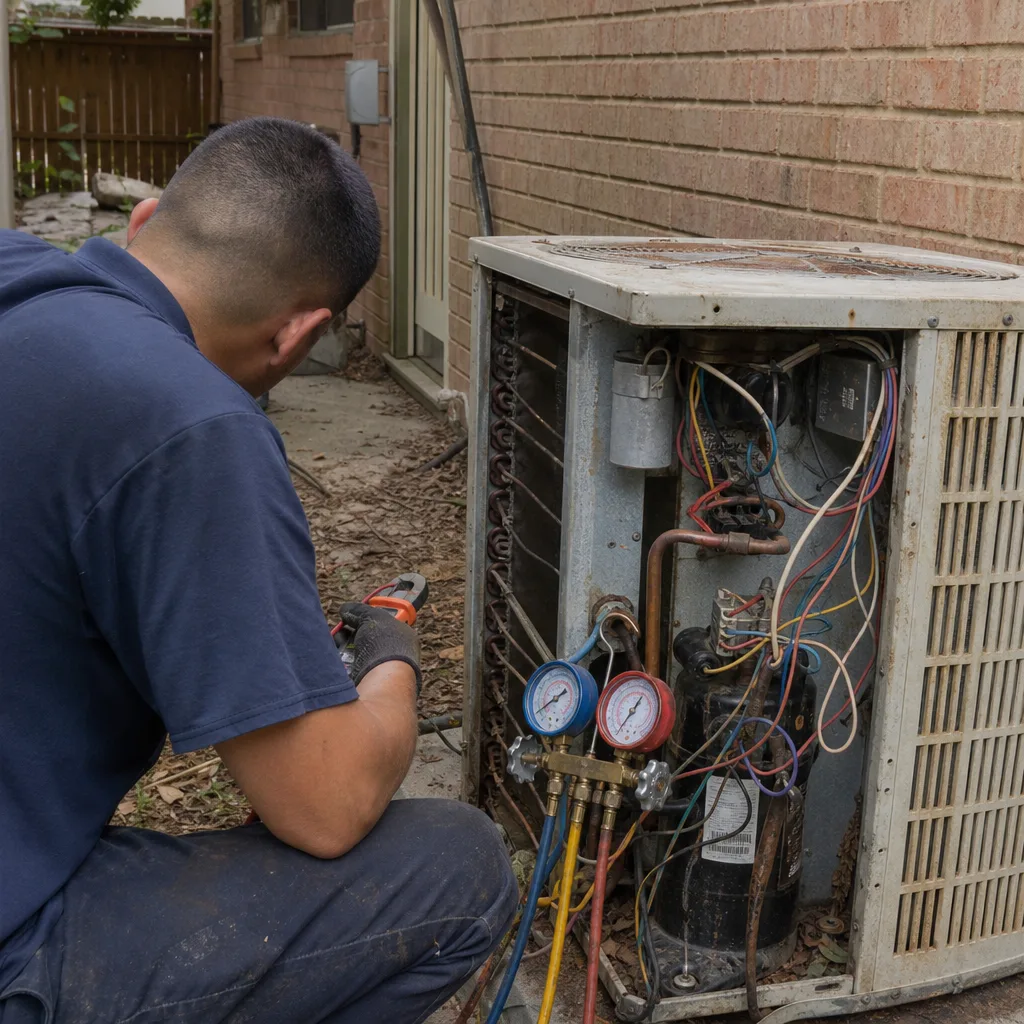 Before
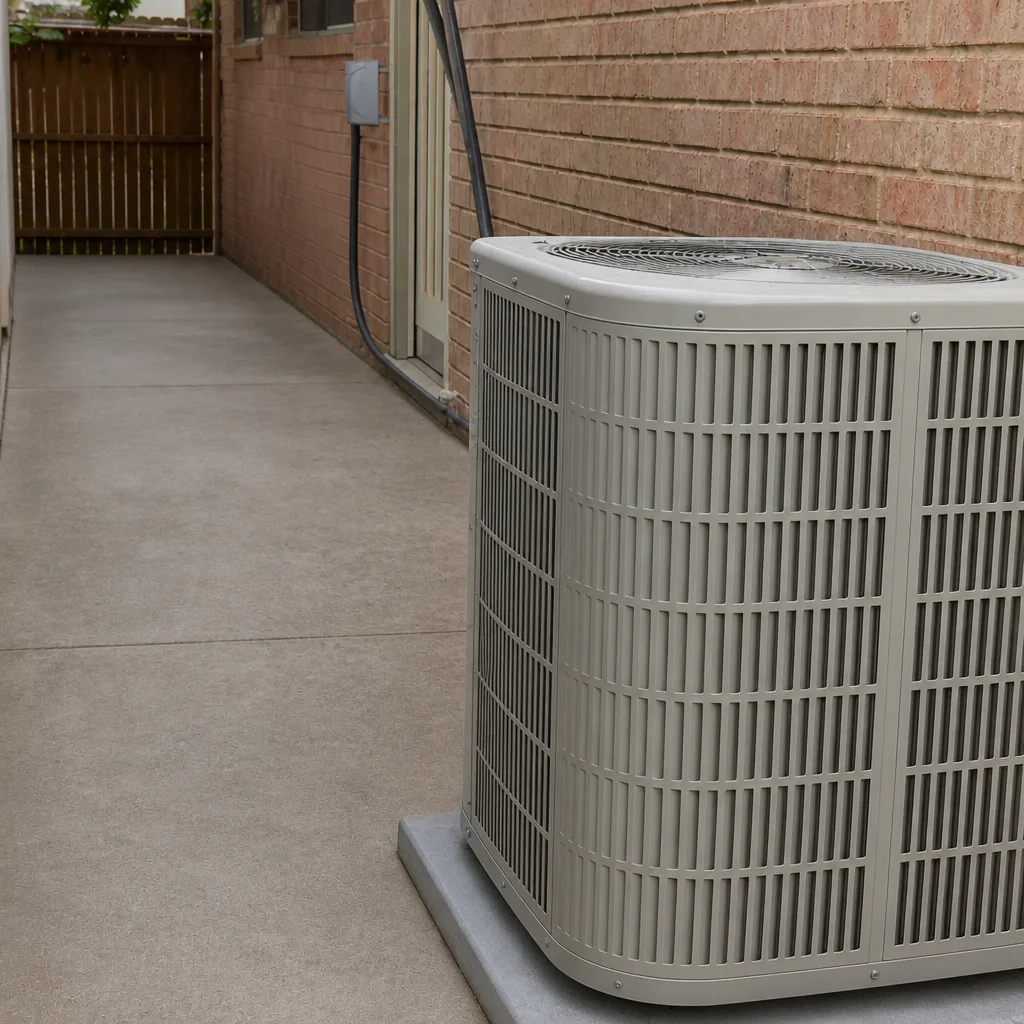 After
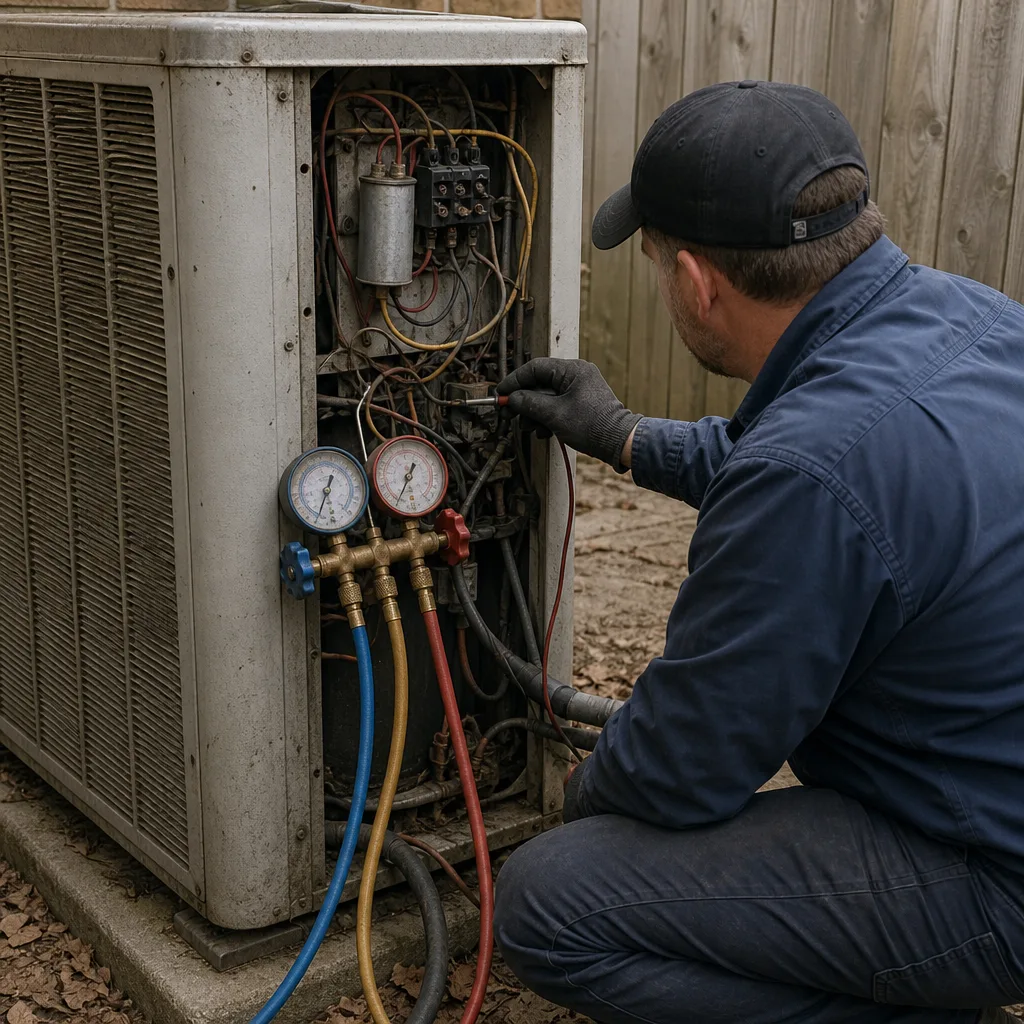 Before
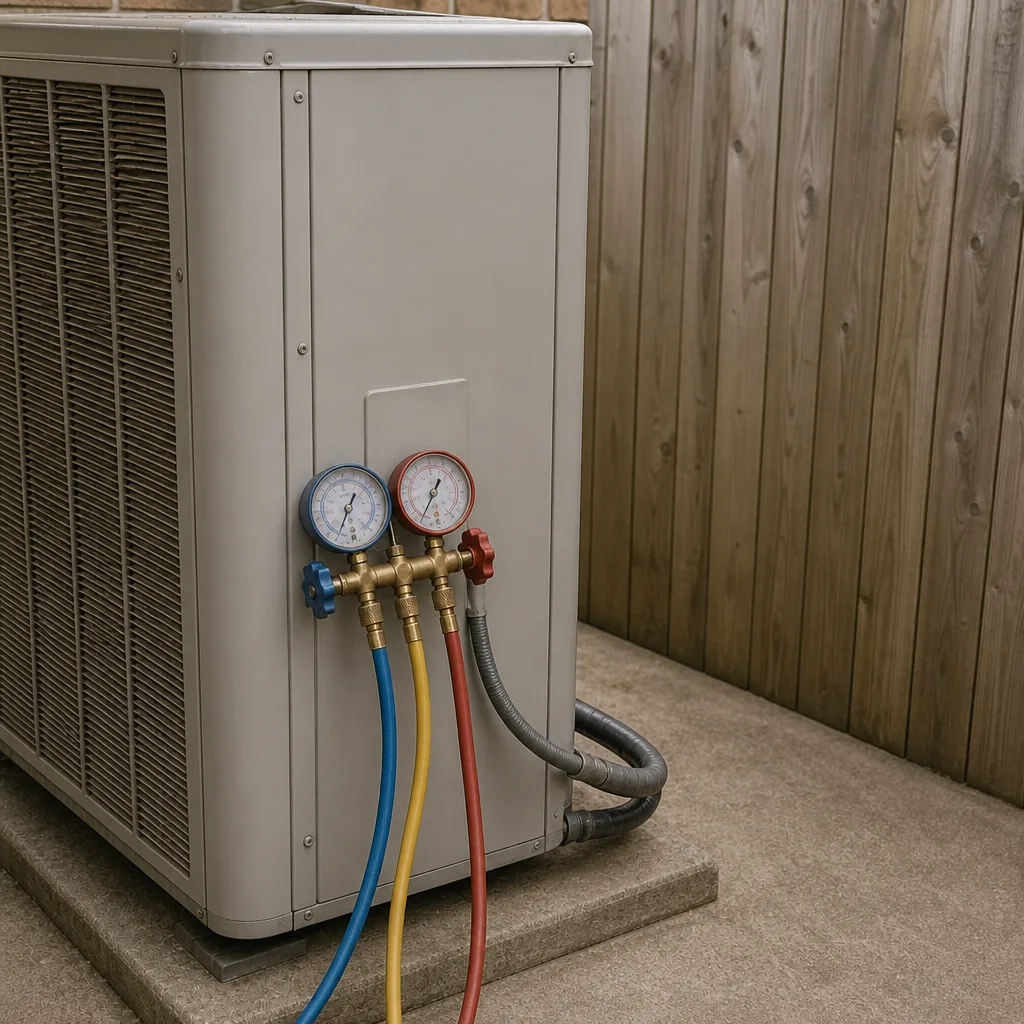 After
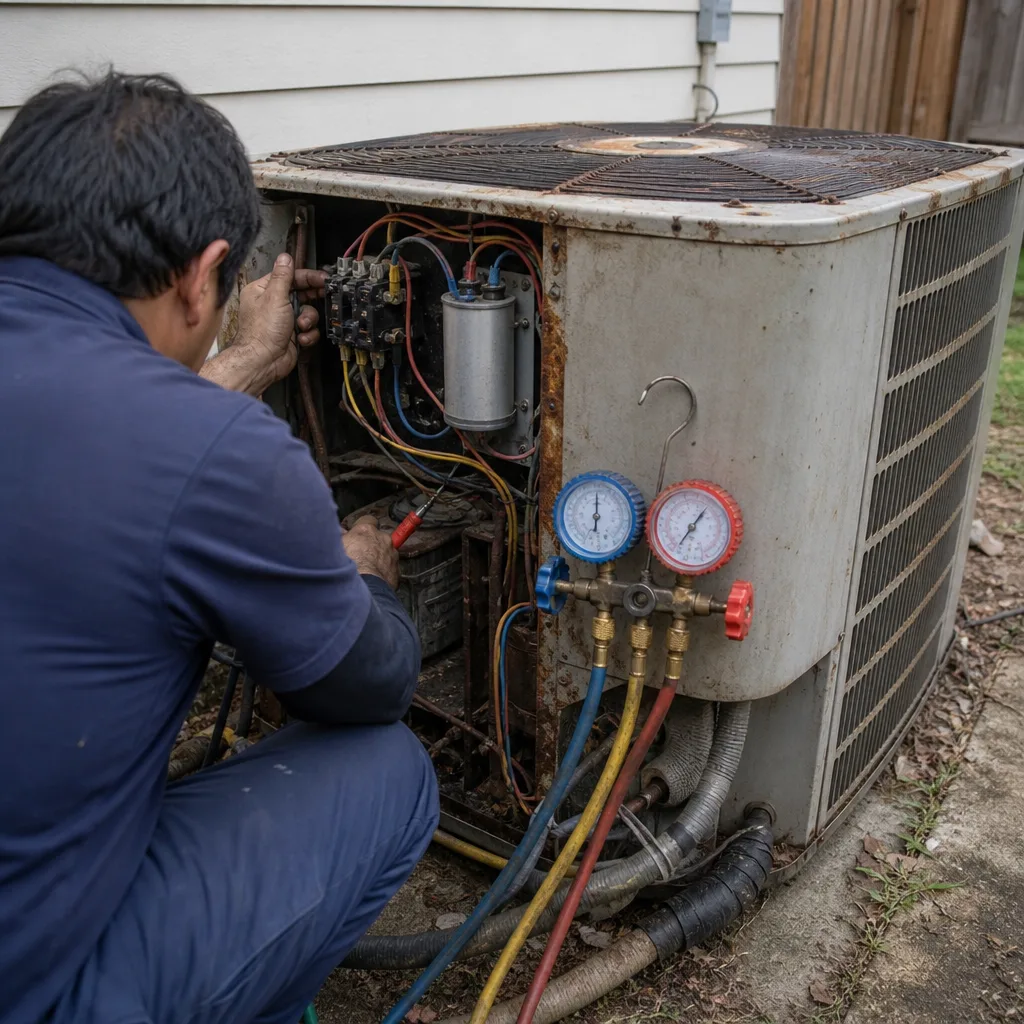 Before
 After
When to Call a Professional
Call a professional for any of these situations: refrigerant issues of any kind, gas furnace components, live electrical work, capacitor or contactor replacements on a system that’s still under warranty, or any symptom you can’t confidently place in Tier 1 or Tier 2. Also call when a DIY attempt has already happened and the system is behaving differently than before – an honest diagnostic from a technician on the first symptom is almost always cheaper than the second visit. For Irving homeowners dealing with a heating problem, a furnace repair is handled under the same roof as your cooling work, so the relationship carries across seasons. Kingsley AC Repair offers free estimates in Irving – call (855) 473-9031.
Frequently Asked Questions
Yes. Replacing a thermostat is not regulated HVAC work under TDLR rules and does not touch refrigerant. It’s a Tier 1 DIY task as long as you power off the air handler breaker first and match the wiring for your specific system. If the current thermostat is on a communicating system, confirm compatibility against the model number before buying a replacement. If you’re unsure, call (855) 473-9031 for a free estimate on having us handle it.
It can, depending on which component was worked on. Manufacturer warranties generally require certified handling for refrigerant work, electrical component swaps, and any repair involving proprietary controls – so a DIY repair on those areas can void the affected portion of coverage. Tier 1 tasks like filter changes and coil cleaning typically do not affect warranty. Not sure which part of your warranty a specific task affects? Call (855) 473-9031 – estimates are free.
No. Under Section 608 of the Clean Air Act, only certified technicians can purchase, handle, and recover regulated refrigerants – and any work involving refrigerant on a system you don’t own as a certified professional is off-limits regardless of state rules. The federal requirement is the one that matters most here, and it carries real penalties. Call (855) 473-9031 for a proper diagnosis and refrigerant service.
Air filter changes, outdoor coil cleaning with the unit powered off, thermostat replacement, condensate drain flushing, register checks, and duct debris clearing are all Tier 1 DIY-safe. Blower motor inspection and evaporator coil cleaning are Tier 2 – doable with caution and clear preparation. Anything involving refrigerant, gas, or live electrical components is professional-only. Call (855) 473-9031 if you’d rather have us check.
Every 30 days during peak cooling, and every 60 to 90 days in the shoulder seasons if you don’t have pets. Irving’s long cooling season means the system runs far more hours than in shorter-season climates, which is why 30 days is a standard schedule rather than an aggressive one. If you notice dust on the supply registers, you can go even shorter.
The part itself is generally fine if the microfarad rating and voltage match your system’s specification exactly. The risk is in matching: a physically identical capacitor can carry a very different rating, and the wrong one can damage the compressor starting circuit. Even a correctly rated DIY capacitor swap on a system under warranty may not be covered if a downstream failure occurs. Call (855) 473-9031 for a proper diagnosis – estimates are free.
The Bottom Line
The DIY vs. professional question for HVAC isn’t a binary. There’s a wide band of tasks Irving homeowners can and should own – filter changes, coil cleaning, thermostat swaps, drain flushing – and a hard line where amateur work touches refrigerant, gas, or live electrical components. The risk-adjusted math almost always favors the pro on any task at that line, especially on a system still under a manufacturer warranty. YouTube videos made for different climates or older equipment can mislead more than they help. The throughline for every decision on this page is simple: know the tier, verify the specs, and call when the fault is bigger than a filter. Heating and cooling, handled – for whatever season Irving is in next.
Ready to have your system checked by a technician who knows your brand? Kingsley AC Repair provides three focused services – AC repair, AC installation, and furnace repair – on equipment from nine manufacturers, with brand-neutral diagnostics and free estimates. Call (855) 473-9031 for a free estimate. We answer 24/7. Fast dispatch from 7am to 7pm, Sunday through Friday.
You can also read more about Irving and the neighborhoods we serve across the Dallas-Fort Worth area.
Written by the team at Kingsley AC Repair, serving Irving since 2014.