
Last updated November 14, 2026
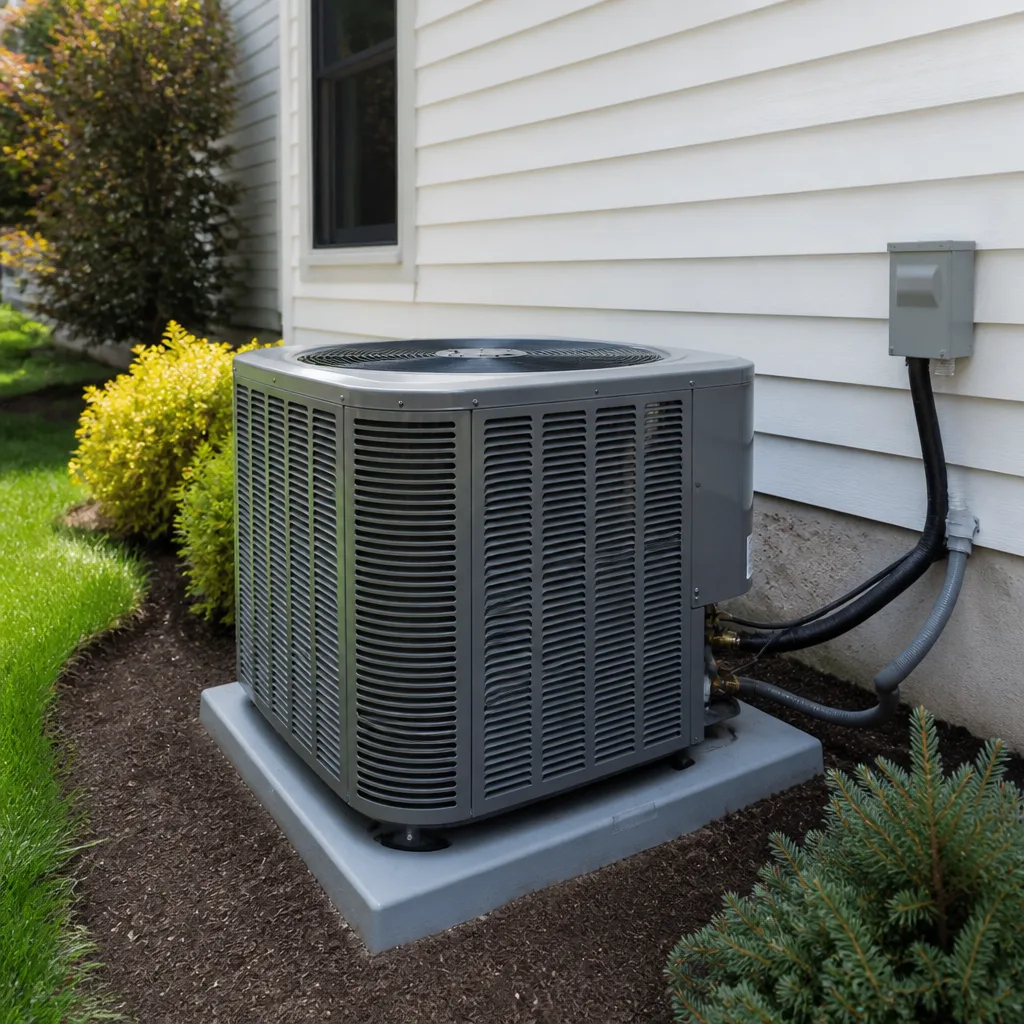 AC repair
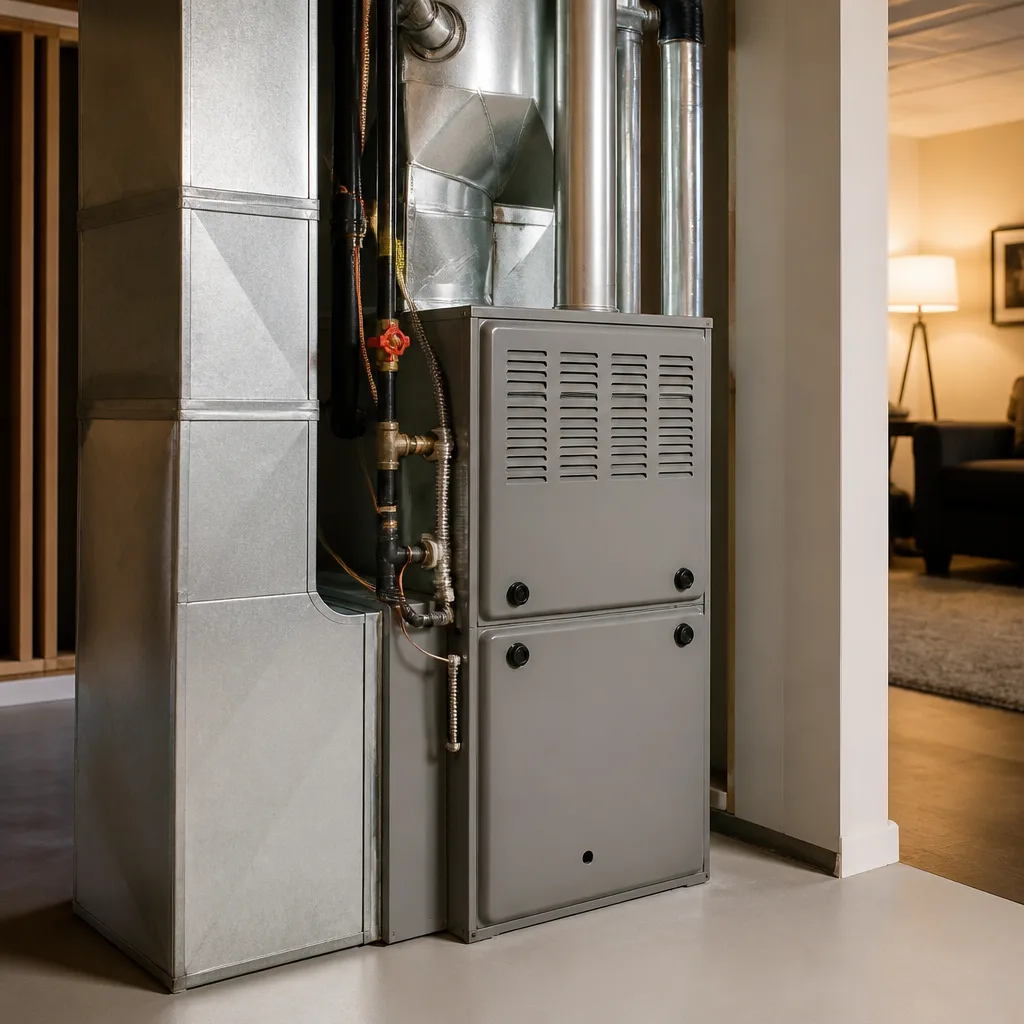 Furnace & heating
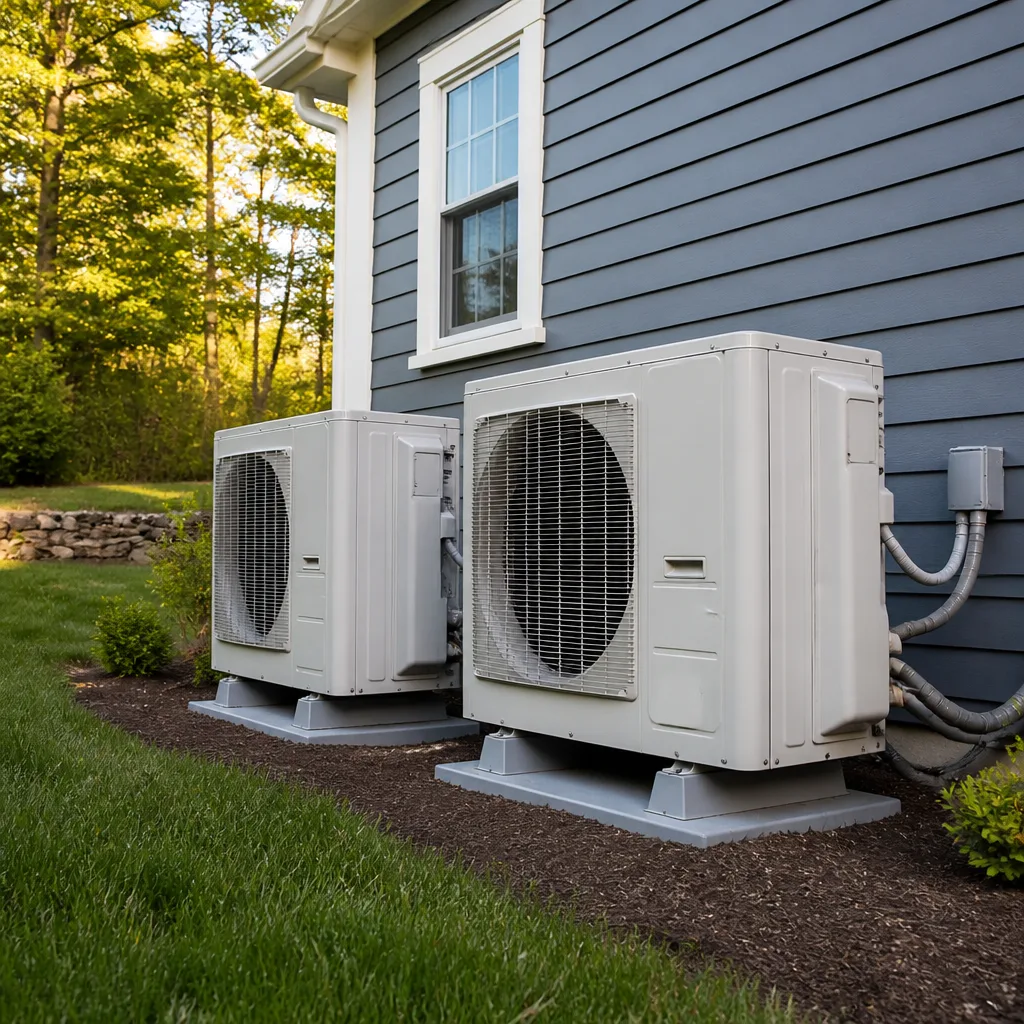 Heat pumps
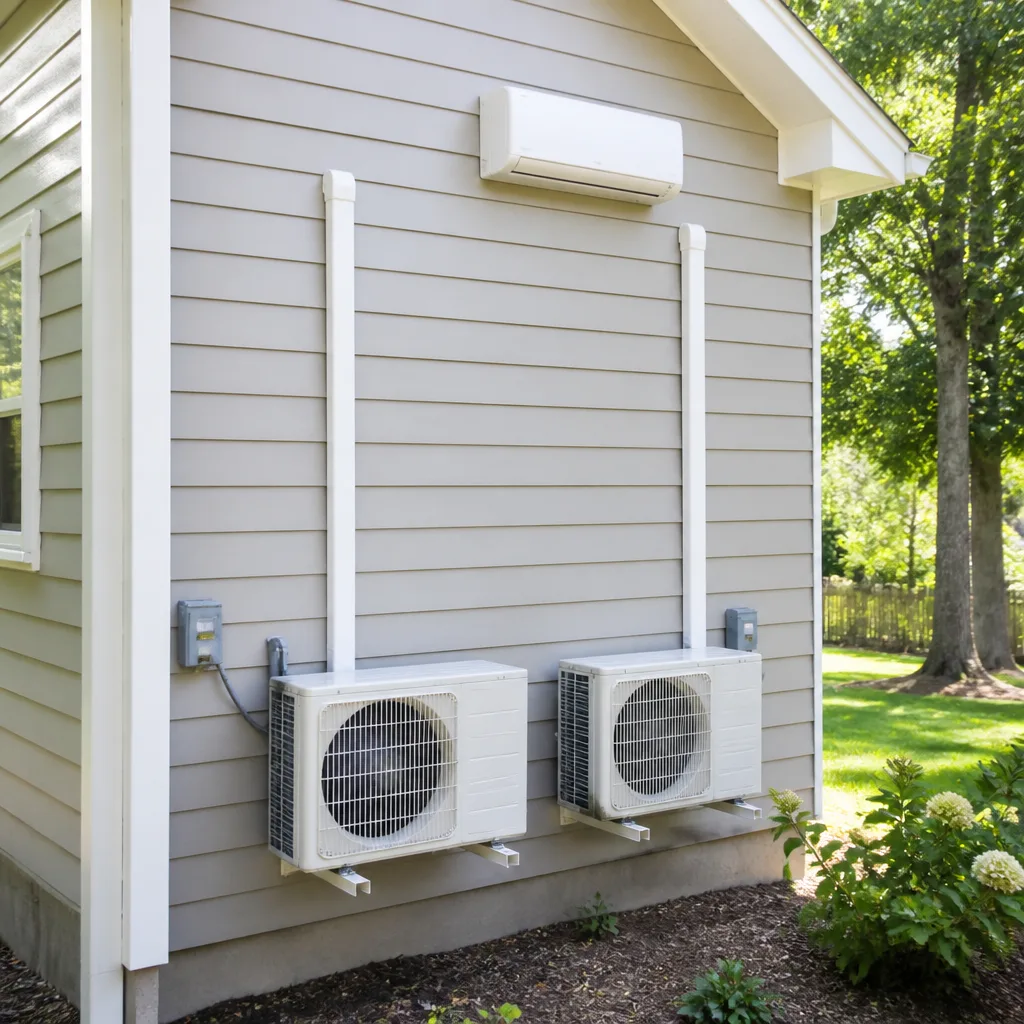 Ductless mini splits
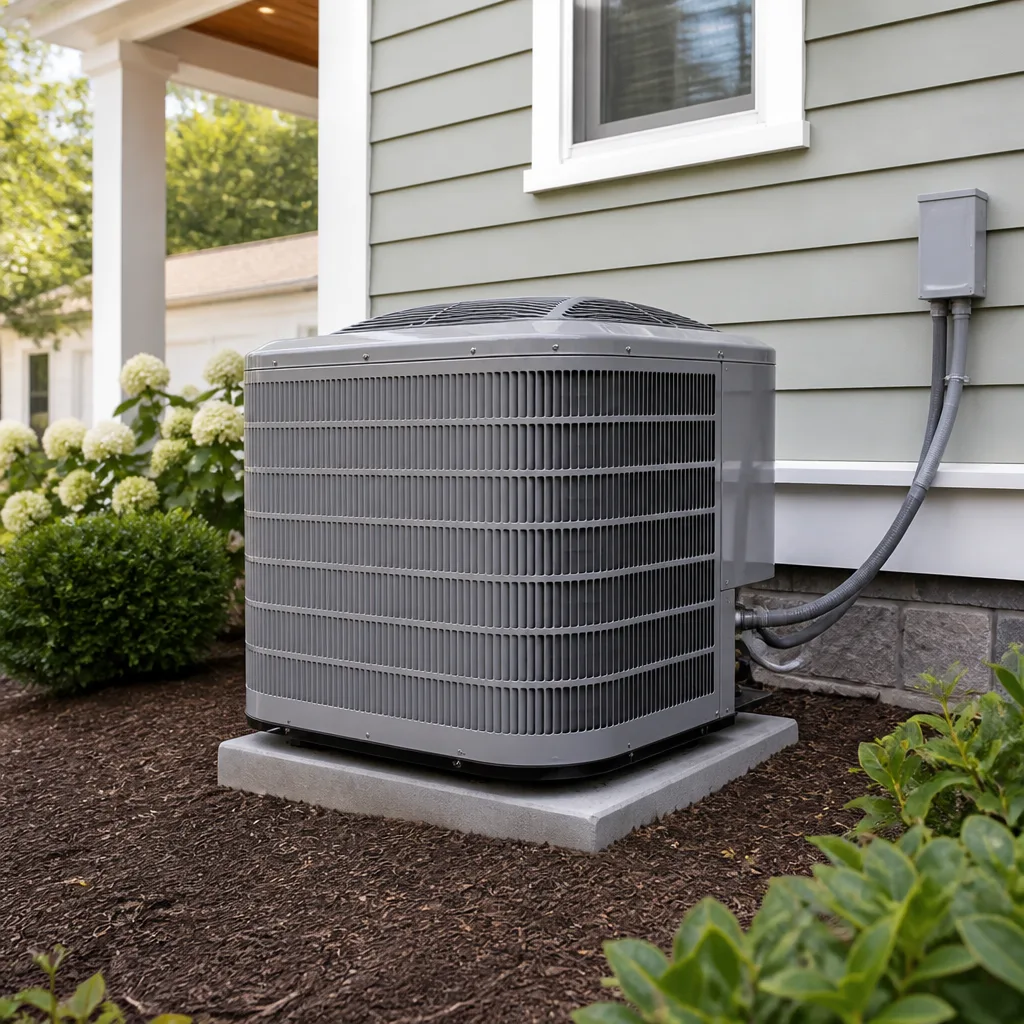 Carrier
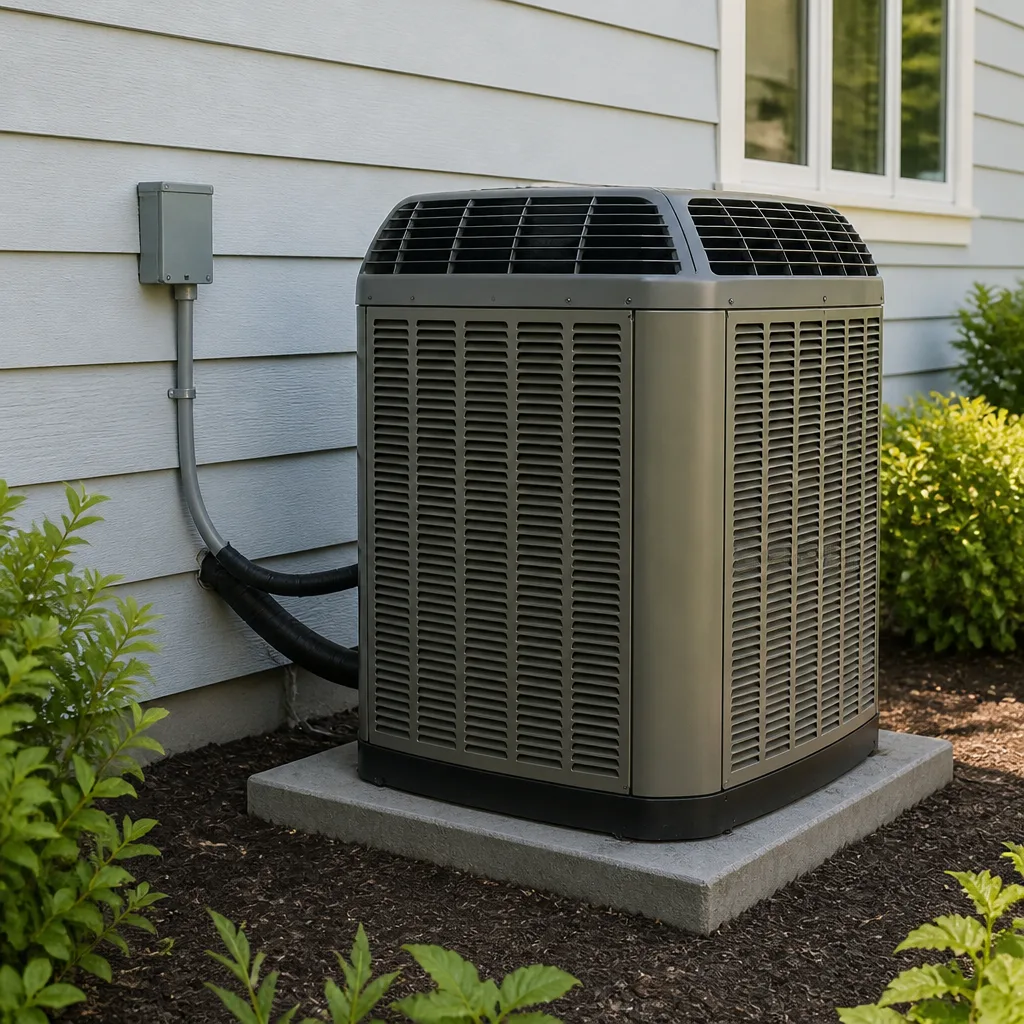 Trane
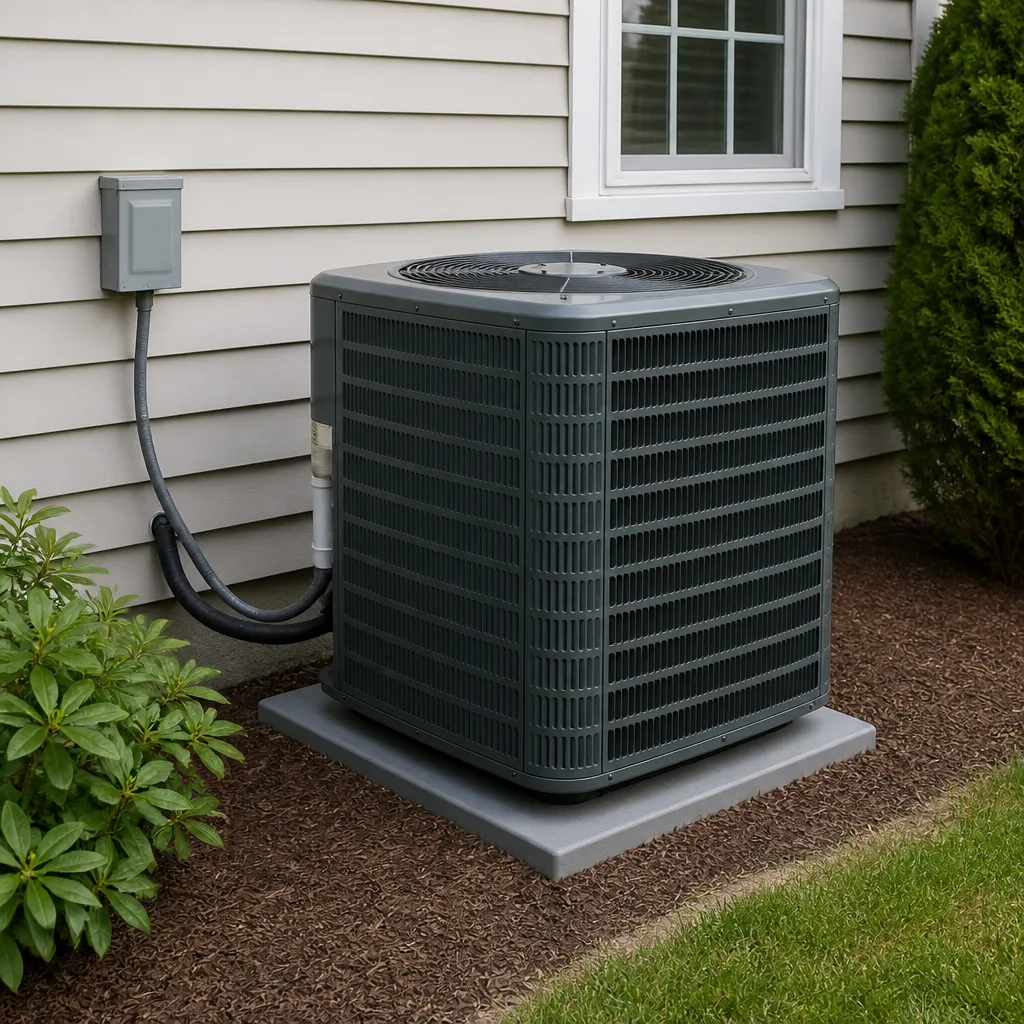 Goodman
Seasonal tune-up and full diagnostic on your Carrier, Trane, or Goodman system - readings shown to you before any repair is proposed
Diagnosis first, numbers second - you approve the repair price before a single part goes in.
Get your free estimateAC Repair Troubleshooting in Irving: Common Problems and How to Fix Them
Most people troubleshoot an air conditioner the way they troubleshoot a cold engine light – poking at whatever seems most complicated first. That’s backwards. An AC is a fairly simple machine that moves heat in one direction, and the problems that stop it usually sit in the same few places every time. If you follow the system’s airflow, then its control signal, then its electrical supply, then the refrigerant circuit, you’ll cross off the majority of failures before you ever open a panel. This guide walks that diagnostic order step by step, tells you which symptoms are safe to look into yourself and which mean you stop and call someone, and explains why an Irving homeowner who knows the sequence wastes a lot less time in July.
Quick Answer
When your AC stops cooling, check these in order before calling anyone: the thermostat (mode set to COOL, fan set to AUTO), the air filter, the indoor and outdoor disconnect switches, and the 240-volt breaker at your panel. A tripped breaker, a clogged filter, or a thermostat knocked into the wrong mode causes most no-cool calls, and each takes under two minutes to check. Anything that points to refrigerant loss, a burnt electrical smell, a compressor or fan that won’t start, or a breaker that trips again after you reset it is a job for a licensed technician – not a homeowner.
Styles & brands we work with
- AC repair
- Furnace & heating
- Heat pumps
- Ductless mini splits
- Carrier
- Trane
- Goodman
Table of Contents
Why Troubleshooting Order Matters
An air conditioner fails in a chain. The thermostat sends a signal, the contactor closes the circuit, the outdoor fan and compressor start, refrigerant absorbs heat at the indoor coil, and the blower pushes cooled air through your ducts. Break any link and the symptom looks the same from your living room: warm air from the vents. That sameness is what makes people jump to the worst conclusion – a dead compressor, a refrigerant leak – when the problem is a dirty filter or a thermostat in fan-on mode.
Following the chain in order from the cheapest, safest, most likely culprits toward the technical ones means you rule out the common failures first. That’s the whole point of a decision tree versus a symptom list. A list tells you the fifty things that could be wrong. A tree tells you what to check first, what the result means, and where to go next. In our experience across thousands of Irving service calls, the vast majority of “AC not cooling” complaints get resolved at one of the first three checkpoints. Nobody needs to touch a refrigerant line to fix those.
There’s a second reason the order matters here. Irving summers push a system hard, and the failures that build up quietly – a filter that’s been in since spring, a condenser coil packed with cottonwood and dust – show themselves within days of the first sustained heat. Catching the airflow problem early is often the difference between a quick filter change and a frozen coil that needs to thaw before anything else can be diagnosed. A system that’s freezing up isn’t broken; it’s telling you the airflow got restricted and it kept running anyway.
Step 1: Start With Airflow
Airflow is first because it’s the most common failure, the easiest to check, and the one that causes the most secondary damage. A restricted system doesn’t just cool poorly – it can freeze the indoor coil solid, which then mimics a refrigerant problem and leads to unnecessary repairs. Before you look at anything else, confirm air is moving the way it should.
- Check the air filter. Pull it out and hold it to a light. If you can’t see light through the mesh, replace it. A clogged filter is the single most common cause of weak cooling and a frozen coil.
- Make sure the return vents aren’t blocked. Furniture, rugs, or a closed interior door on a room with no return can choke the system just as effectively as a dirty filter.
- Set the fan to AUTO and see whether the blower runs when cooling is called for. If the fan runs on ON but the blower won’t start in AUTO, that’s a control or blower fault.
- Confirms air is blowing at the supply registers. Weak flow, or no flow with the thermostat calling for cool, moves you to the next step.
If the indoor coil has visibly iced over – you’ll see frost on the copper lines near the air handler or the outdoor unit – switch the system off at the thermostat and let it thaw before you investigate further. Running a frozen system stresses the compressor. This is where a lot of Irving homeowners go wrong in midsummer: they crank the thermostat down hoping to force cooler air and make the freeze worse. If airflow checks out and the system still isn’t cooling, move on to the thermostat.
Step 2: Confirm the Thermostat Signal
A surprising number of no-cool calls end with a thermostat that simply isn’t telling the equipment what to do. Before you assume the machine is broken, confirm the signal. This is the second checkpoint because it costs nothing and takes about thirty seconds.
- Mode and setpoint. Make sure the mode reads COOL, not FAN or HEAT, and that the setpoint is actually below the room temperature. A setpoint bumped during a mild evening won’t call for cooling the next afternoon.
- Fan setting. In fan AUTO, the blower runs only when cooling is called. In fan ON, the blower runs constantly. If it’s stuck on ON, you’re moving air, but not necessarily cooled air.
- Batteries and display. A blank or dim display, or a unit that won’t respond to button presses, often means dead batteries or a tripped low-voltage breaker on the air handler.
- Check for a schedule override. Programmable and smart thermostats love to hold an old schedule. Confirm the schedule matches the setpoint you actually want.
The thermostat also gives you your first real diagnostic signal. If the thermostat calls for cool and you hear the outdoor unit hum but no fan spins, that’s an electrical or motor issue. If nothing happens at all indoors or out, and the thermostat is fine, you likely have a break in the control wiring or a tripped breaker. The signal itself is a health check on the whole system. For homeowners who’d rather have a trained eye confirm this, our AC repair team runs the same sequence on every call, just with the right meters.
Step 3: Check the Electrical Supply
This is where the counterintuitive part of the thesis shows up. The most common reason we get called for emergency cooling in the middle of a July heat wave is a tripped 240-volt breaker. It’s a ten-second fix that costs nothing – provided you know to look for it before anything else.
Your air conditioner has three places a power interruption typically shows up. Work through them in this order:
- Your electrical panel. Look for a breaker in the “off” or middle position on the circuit that feeds the AC. Reset it by pushing it fully to OFF, then back to ON. If it holds, the system may start. If it trips again immediately, stop and call a technician – a breaker that won’t hold means a real fault, not a nuisance trip.
- The outdoor disconnect switch. Most homes have a pull-out disconnect or a switch at the condenser. Confirm it’s fully seated and in the ON position.
- The indoor unit disconnect. Located near the air handler, often a switch or a breaker at the unit itself.
A note on safety: once you’ve checked the breaker and the disconnects, stop. Do not open any panel on the equipment, and do not test anything with a meter unless you’re trained on high-voltage work. The 240-volt feed to a condenser can seriously injure you, and the capacitors inside the cabinet hold a charge long after the power is off. This is where the homeowner portion of the troubleshooting ends and the professional portion begins.
If the breaker is fine and nothing runs, one common cause in Irving is a low-voltage control wire that got chewed by a squirrel or baked brittle by a summer in an attic. That’s a technician’s territory, but it’s useful to know so you’re not blindsided when you’re told the compressor is fine and it’s a $40 wire.
Step 4: What Refrigerant Symptoms Look Like
Refrigerant is the one part of the system you should never touch yourself, and the one most often misdiagnosed by homeowners. Refrigerant is sealed inside a closed loop – it doesn’t get used up or wear out over time. If it’s low, it’s because it leaked. That means a “refrigerant recharge” is really a leak repair followed by a recharge, and any shop that promises to just top it off without finding the leak is selling you a temporary patch.
Signs that point toward refrigerant loss or a sealed-system fault:
- Ice or frost on the indoor coil or the large insulated copper line running to the outdoor unit
- Warm air from the vents combined with the outdoor unit running continuously
- A hissing, gurgling, or bubbling sound near the lines
- Weak cooling that was fine last summer and got gradually worse
- The outdoor fan runs but the compressor never starts (though this can also be a capacitor, a run circuit fault, or a failed compressor – another reason to leave diagnosis to a pro)
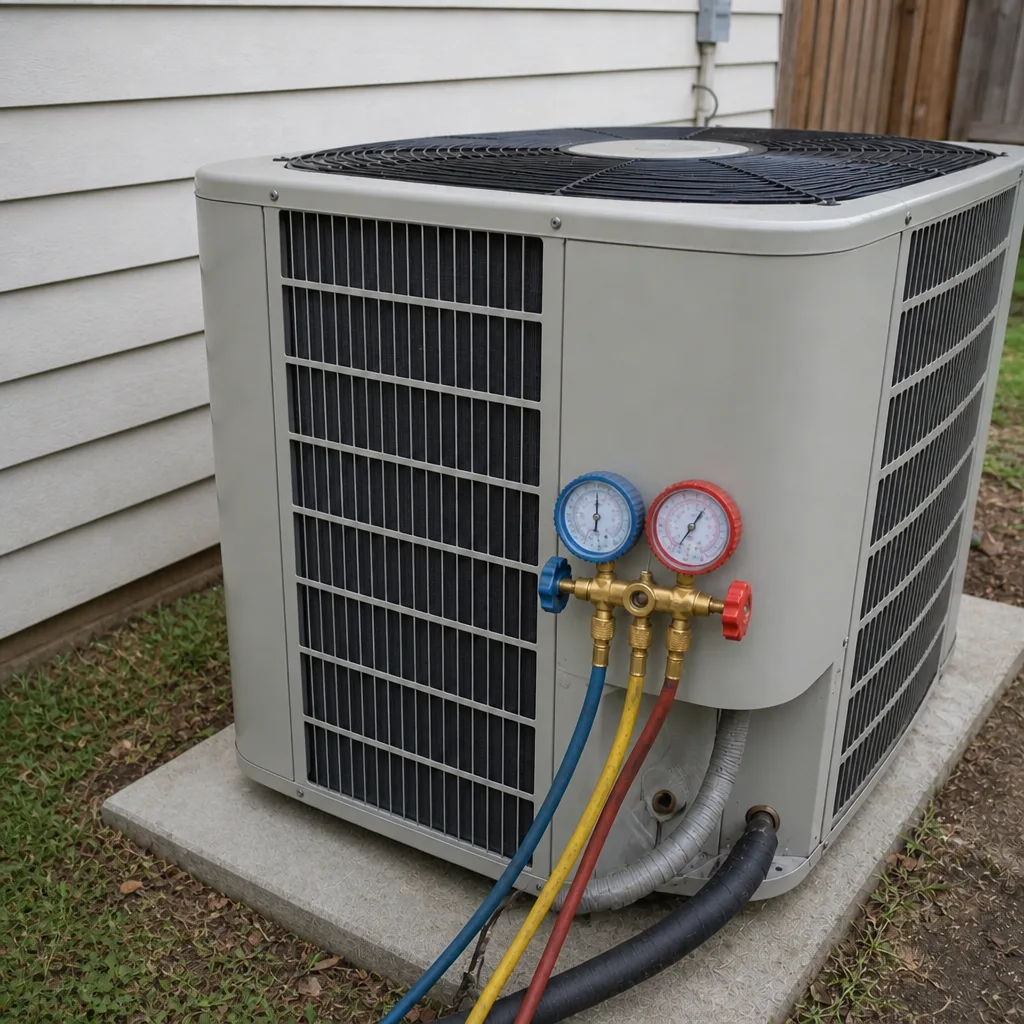
Every one of these requires gauges, a manifold, and the ability to legally handle refrigerant. In Texas, refrigerant work is performed by licensed technicians – no exceptions, no homeowner shortcut. If you see any of the symptoms above, plan on a professional service call rather than continued troubleshooting. Our team handles this daily in Irving, and the diagnosis is usually quick once we’re on-site.
The 20-Degree Split Rule
Before you decide whether your air conditioner is actually cooling, run a simple measurement. It tells you more in five minutes than hours of listening to the unit hum.
Grab a thermometer – your phone’s weather app won’t cut it because it reads outdoor air, but a basic digital meat thermometer or an instant-read will do. Measure the air temperature at a supply register (a vent blowing cooled air into a room) and at a return grille (where room air goes back into the system). A system that’s cooling properly will show a temperature drop between the return and the supply air of roughly 15 to 20 degrees Fahrenheit. That’s the 20-degree split rule.
What the split tells you:
- 15-20°F drop: The system is genuinely cooling. If the house still feels warm, look at insulation, duct leaks, or a system that’s undersized for the space.
- Under 10°F drop: The system is circulating air but not removing much heat. This points to low refrigerant, a failing compressor, or a badly restricted coil.
- Over 25°F drop with weak airflow: Often a frozen or restricted indoor coil. Check the filter and look for frost on the indoor lines before doing anything else.
Taking the split on a hot Irving afternoon, when the outdoor temperature is above 95, gives you the cleanest read. A marginal split on a mild day can pass and a marginal split on a brutal one can fail even if the system is fine – so measure when the equipment is genuinely working hard.
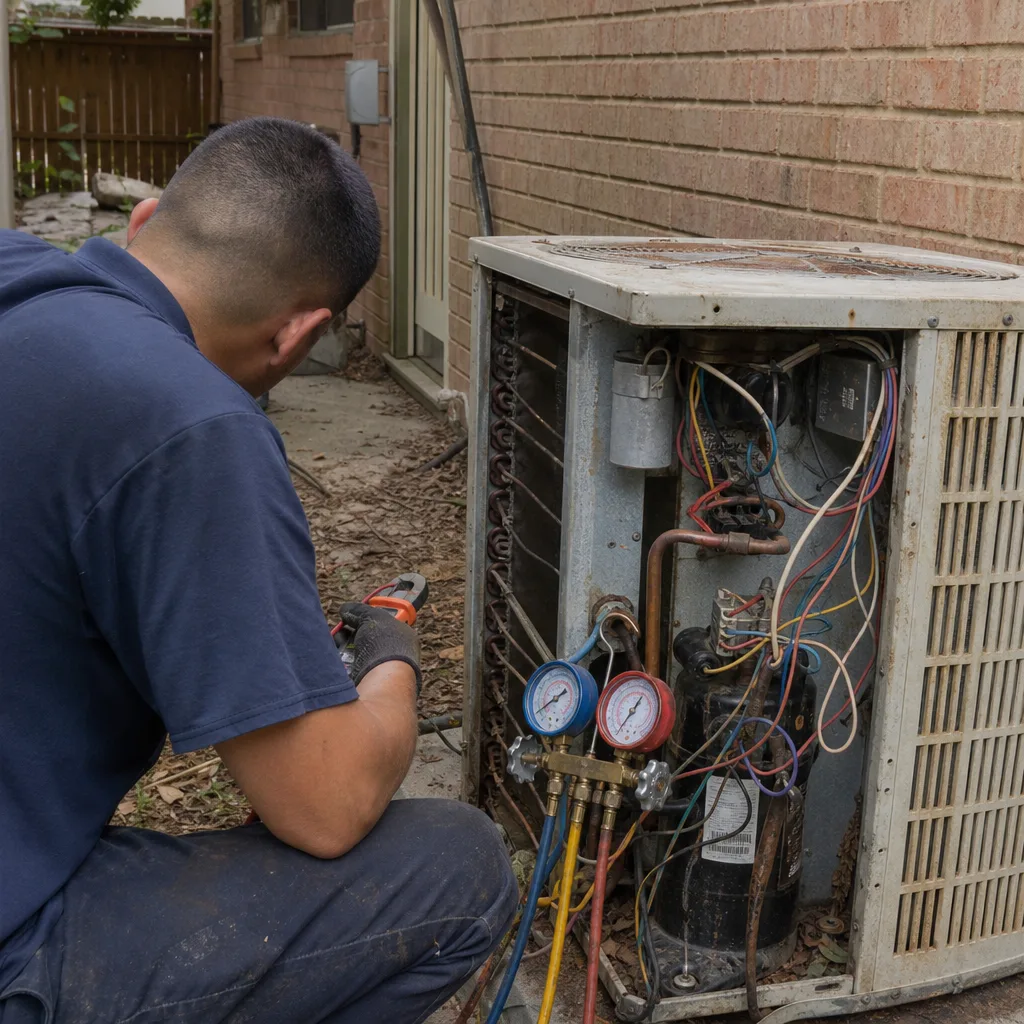
See the difference
 Before
 After
 Before
 After
 Before
 After
Brand-Specific Quirks Worth Knowing
Not every system behaves the same when it fails, and knowing which brand you own can nudge the first thing you check. You shouldn’t have to explain your equipment to your technician, and the same logic means you shouldn’t have to guess what a specific brand is telling you when it acts up.
Carrier systems often shut off due to a safety switch called a float switch – a small device that cuts the system when the condensate drain pan fills. If your Carrier unit cycles off and comes back after a while, checking the drain and the float switch is a smart early move before you look at anything else. It’s a common failure in humid months. Lennox units with variable-speed blowers sometimes throw a fault after a power bump and need the thermostat cycled through OFF and back to COOL to clear. If your system was fine until a storm rolled through, that’s the first thing to try. Goodman equipment, common in older Irving homes, tends to run hot and tolerant – so a Goodman that’s suddenly cycling on and off is telling you the problem is real, not a nuisance hiccup. The older control boards are also more sensitive to voltage sag than newer models.
York and Trane systems have their own quirks around error codes and lockout behavior. Rather than trying to memorize every one, the practical answer is to note your brand and model number, keep it where you can find it, and tell the technician when you call. We’re factory-familiar with all nine of the major manufacturers – Carrier, Trane, Lennox, Goodman, Rheem, York, Daikin, Bryant, and American Standard – which means we don’t spend your service call learning your equipment. You shouldn’t have to.
What Storms Do to Irving AC Systems
Irving gets hammered by summer thunderstorms, and the day after a big one we usually see a small wave of “breakdown” calls that turn out to be caused by the homeowner’s own post-storm actions. Here are the three most common – and how to reverse them.
- Killing the breaker at the panel and forgetting to reset it. Many homeowners flip the AC breaker to OFF during a storm to protect the equipment from a surge and then don’t turn it back on when the power returns. Before you call for service, walk out to the panel and confirm every AC circuit is fully ON.
- Blocking the outdoor unit while tidying up after the storm. Fallen limbs, patio cushions pulled inside from the yard, and protective covers draped over the condenser while you wait for power to come back all choke the outdoor unit. Clear a two-foot perimeter around the condenser and remove anything draped over it.
- Setting the thermostat to a very low number “to catch up.” After the power comes back, dropping the setpoint to 60 to cool the house faster does nothing useful – the system cools at the same rate – but it does encourage a frozen coil if airflow is already restricted. Set it to a normal temperature and let the system work.
One more storm habit worth breaking: iffy extension cords and window units plugged into shared circuits after a main system outage. That’s how a no-cool call becomes a tripped breaker call. If your system truly won’t come back on after the power is restored and the breaker is confirmed ON, that’s the point to call. We answer 24/7.
Common Mistakes to Avoid
- Skipping the filter because “it looks okay.” A filter that looks clean to the eye can be half-loaded with fine dust, and that’s enough to raise static pressure and freeze the coil. Hold it up to a light before deciding.
- Cranking the thermostat lower to force cooling. A common mistake on Irving afternoons – turning the setpoint to 60 doesn’t shorten the cooling cycle and can drive a marginal system into a freeze. Set a normal temperature.
- Resetting a breaker that keeps tripping and pretending that’s fine. A breaker that trips two or three times means there’s a real electrical fault on the circuit. Stop resetting and call a licensed technician.
- Draping a cover over the condenser during a power outage. Everyone thinks they’re protecting the unit; in fact they’re blocking the airflow it needs the moment power returns. Leave the cabinet clear.
- Buying refrigerant “top-off” from anyone offering it over the phone. Refrigerant is a sealed loop – it doesn’t get consumed. If it’s low, it leaked, and the fix is to find and repair the leak, not to top it off every season.
- Closing every interior door and blocking returns with furniture. In older Irving homes especially, return airflow is often already tight. Blocking a return chokes the whole system.
- Ignoring a slow decline in cooling. A system that was fine last June and is lukewarm this June is telling you something changed. Catching that in May costs less than catching it in August.
When to Call a Professional
Stop troubleshooting and call a technician when you see any of these: a breaker that trips again after you reset it; a burning smell or visible scorch marks at the equipment; ice on the indoor coil that comes back after thawing; the compressor or outdoor fan won’t run and the thermostat is calling; the outdoor unit hums but nothing spins; or you have a confirmed low-refrigerant symptom. Any of those means the problem has moved past the airflow-and-signal tier and into the electrical or sealed-system tier, where the work requires both training and the right tools. Also call if your system is older than a decade and the same problem has come back twice. We diagnose honestly and won’t recommend a repair that doesn’t make sense for the equipment.
Kingsley AC Repair offers free estimates in Irving – call (855) 473-9031. We answer 24/7. Fast dispatch from 7am to 7pm, Sunday through Friday.
Frequently Asked Questions
The thermostat, the air filter, and the breaker, in that order. Each check takes under two minutes and together they resolve most no-cool calls. If all three check out and the system still won’t cool, the next step is the outdoor unit – and that’s where a technician should take over. Call (855) 473-9031 for an exact quote – estimates are free.
No. Refrigerant is a sealed system that requires a licensed technician with gauges, a recovery machine, and the legal authority to handle refrigerant. The right first step is diagnosis, not recharge – a “top-off” without a leak repair won’t fix the problem. Call us for a diagnosis and we’ll show you what we find.
A breaker that trips once can be a nuisance trip from a storm or a surge. A breaker that trips repeatedly is telling you there’s a real fault – a shorted motor, a failing compressor, or wiring damage – and continuing to reset it can damage the equipment. Stop resetting it and call a technician. Call (855) 473-9031 for an exact quote – estimates are free.
No – ice on the indoor coil or the copper lines means the system is being starved of airflow or refrigerant. A system that’s operating correctly stays dry inside and outside. Ice points to a dirty filter, a blocked coil, or a low charge. Switch the system off at the thermostat, let the ice thaw, then confirm the filter – if the ice comes back, call a professional.
Measure the temperature at a supply register and a return grille with a digital thermometer. A working system shows a 15-to-20-degree Fahrenheit difference between return and supply. A split under 10 degrees means the system is circulating air but not removing much heat, which points to a refrigerant or compressor issue.
We’re factory-familiar with nine of the industry’s leading manufacturers: Carrier, Trane, Lennox, Goodman, Rheem, York, Daikin, Bryant, and American Standard. When you call, tell us your brand and model and we’ll send a technician who knows that equipment. You shouldn’t have to explain your system to your technician – we know your brand. Call (855) 473-9031 for an exact quote – estimates are free.
Once a system has failed twice in a single cooling season and it’s past a decade old, the numbers often favor replacement over another repair – but the decision depends on the equipment’s condition, not on which option is more profitable for us. We’ll tell you what we’d do if it were our own home. For a new system, our AC installation team sets a written fixed price, an install date, and handles the paperwork. Call (855) 473-9031 for an exact quote – estimates are free.
The Bottom Line
An AC that isn’t cooling isn’t a mystery. It’s a system that failed at a specific point in a specific sequence, and the sequence runs airflow, then thermostat signal, then electrical supply, then refrigerant. Follow it in that order and you’ll rule out most failures in minutes without touching anything that could hurt you. When you hit the electrical or refrigerant tier, stop and call – those are technician territory. We handle both in Irving, and we’ll tell you plainly whether your system needs a repair or is telling you it’s time for a replacement. Heating and cooling, handled. Kingsley AC Repair covers AC repair, AC installation, and furnace repair with the same diagnostic-first mindset, and the Kingsley standard runs through every call.
Call (855) 473-9031 for a free estimate. We answer 24/7. Fast dispatch from 7am to 7pm, Sunday through Friday. If you need us, we’ll be there. Nine brands. One standard.
Written by the team at Kingsley AC Repair, serving Irving since 2014.