
Last updated November 14, 2026
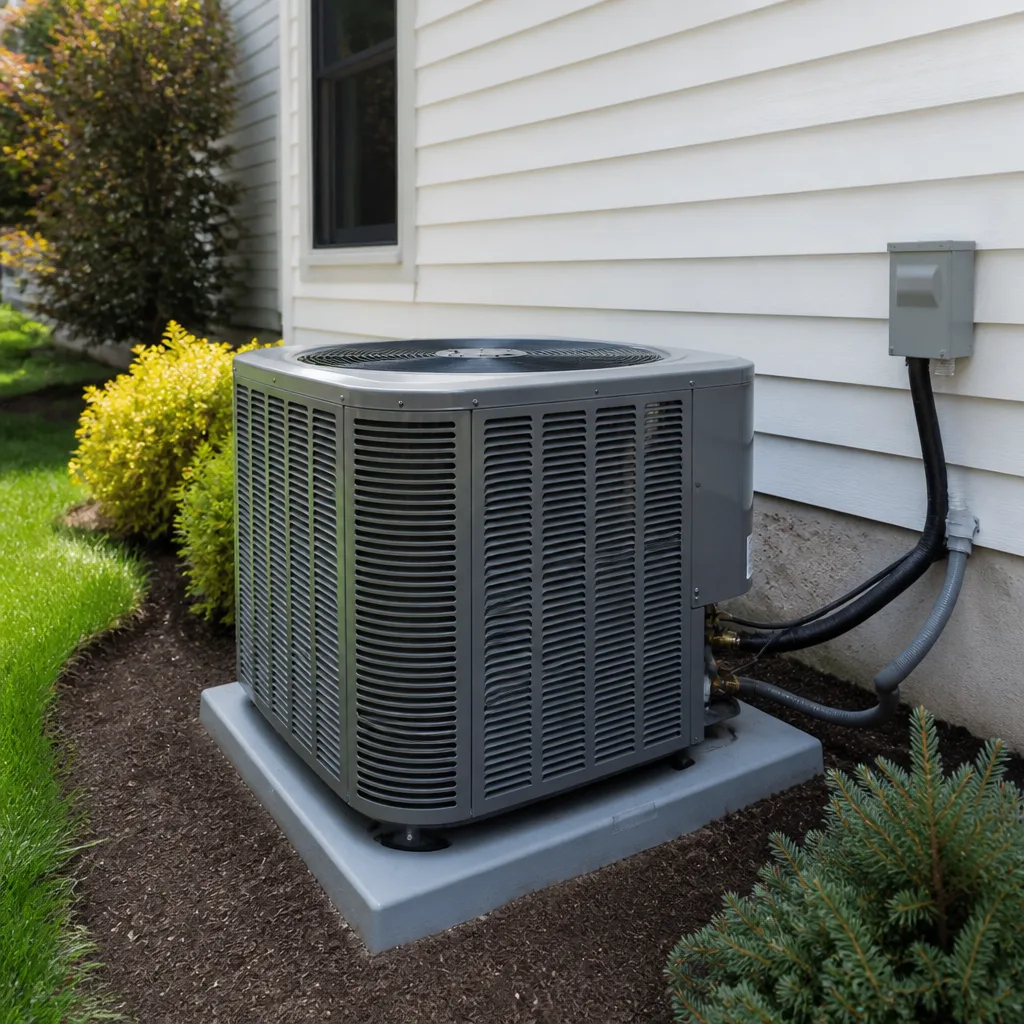 AC repair
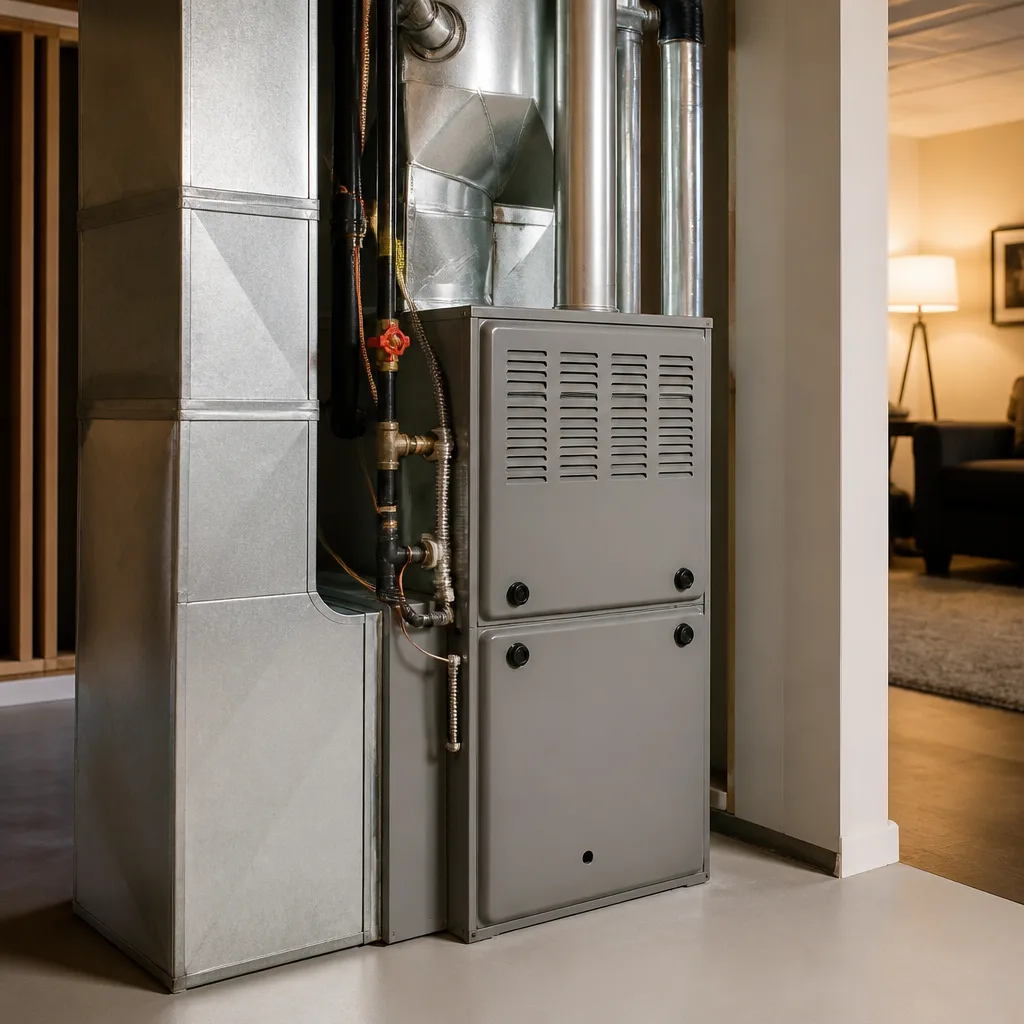 Furnace & heating
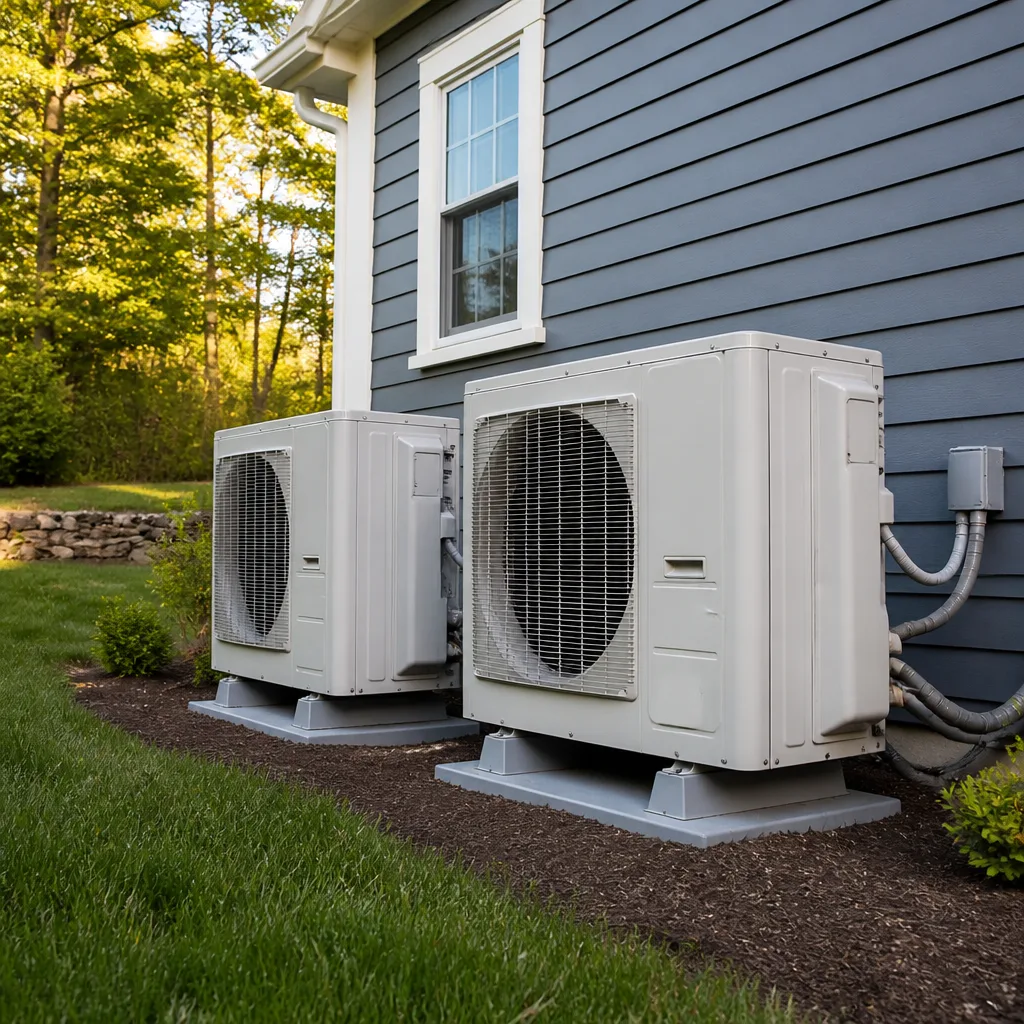 Heat pumps
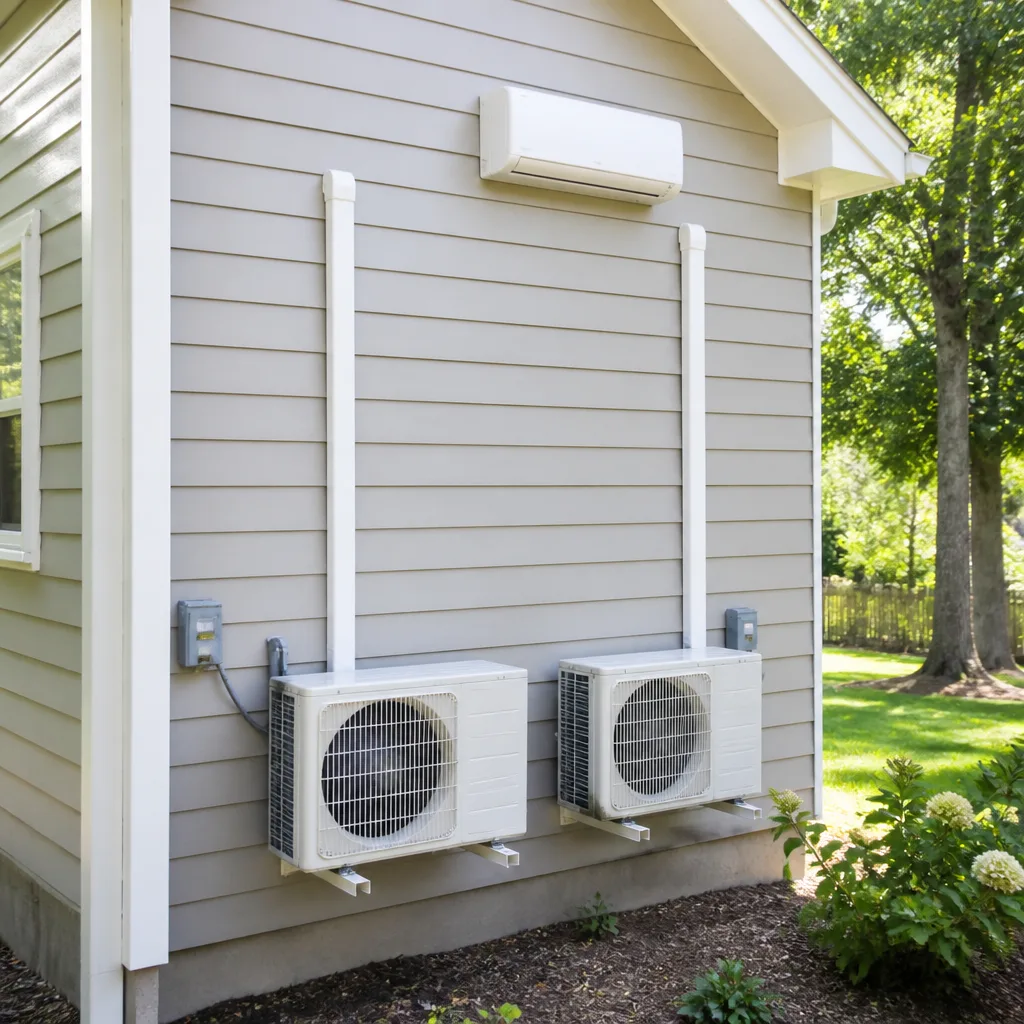 Ductless mini splits
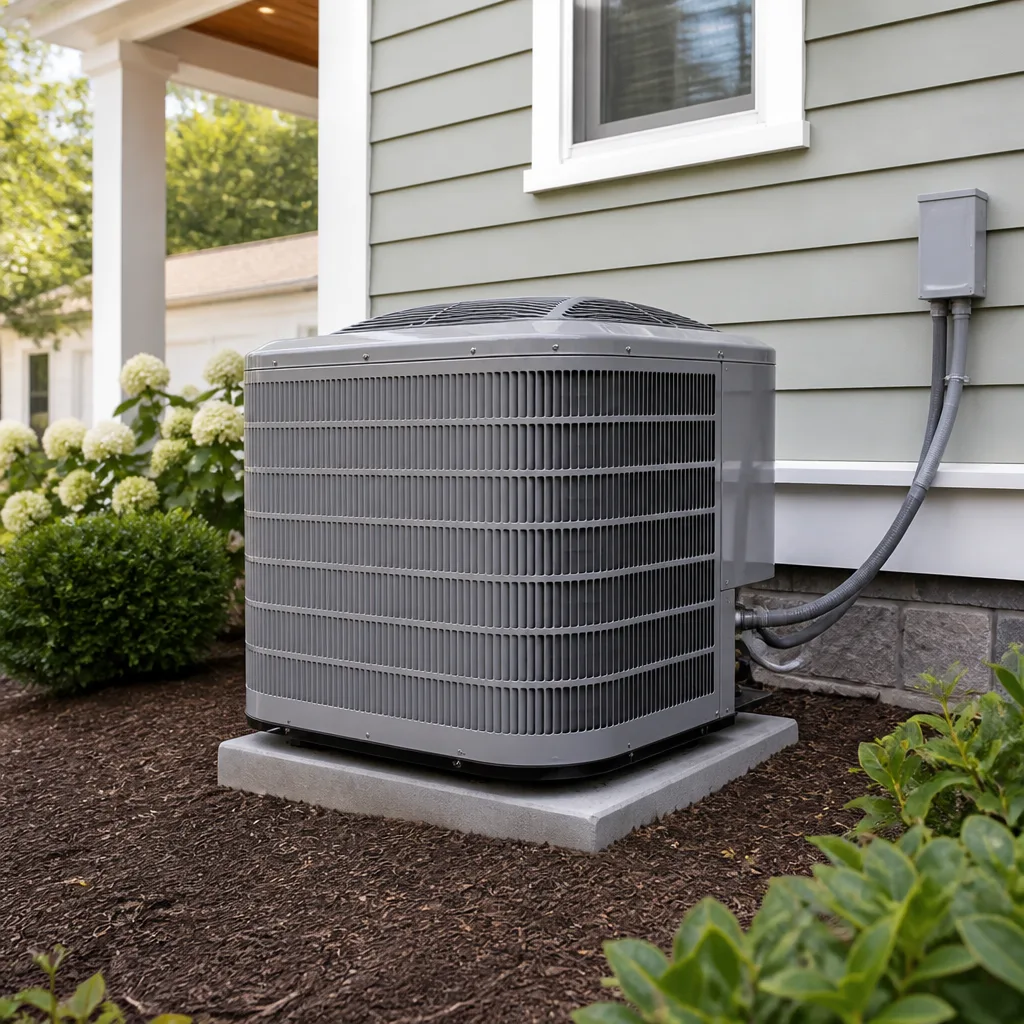 Carrier
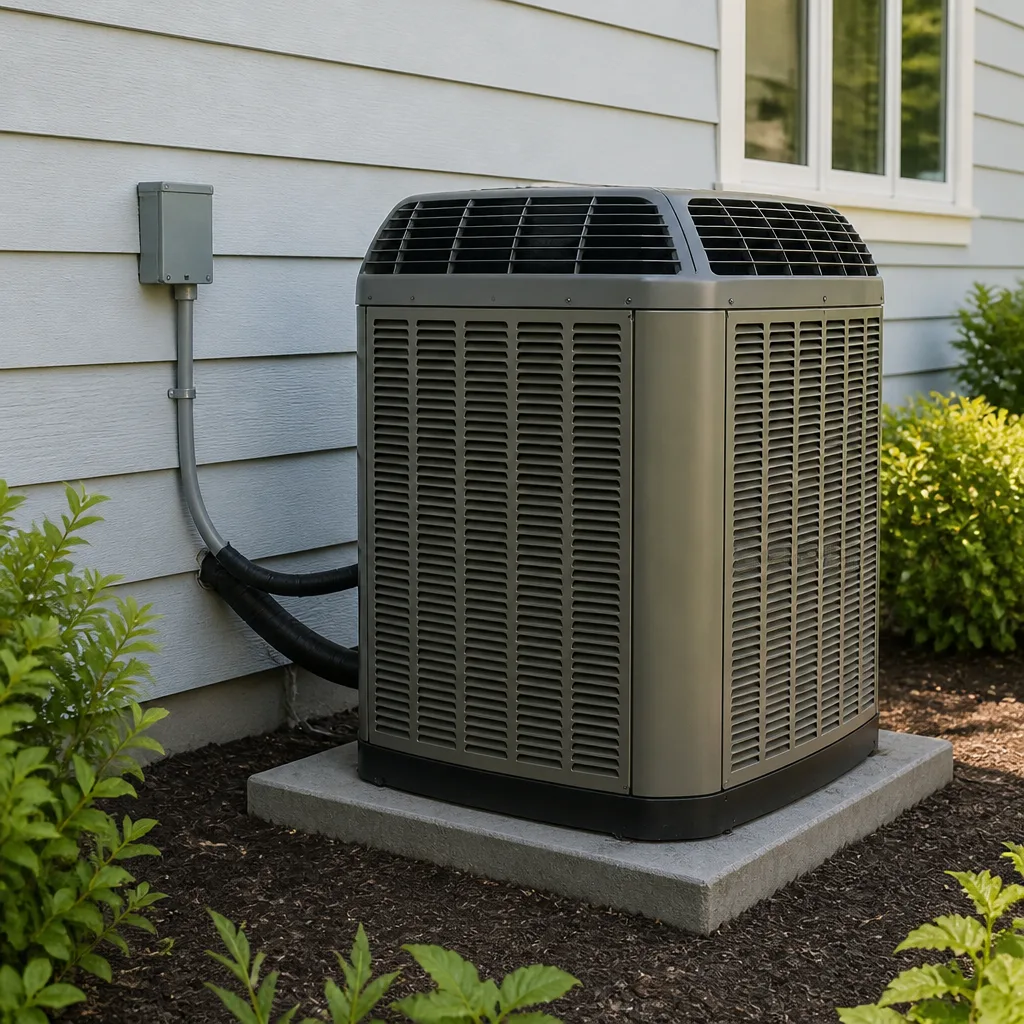 Trane
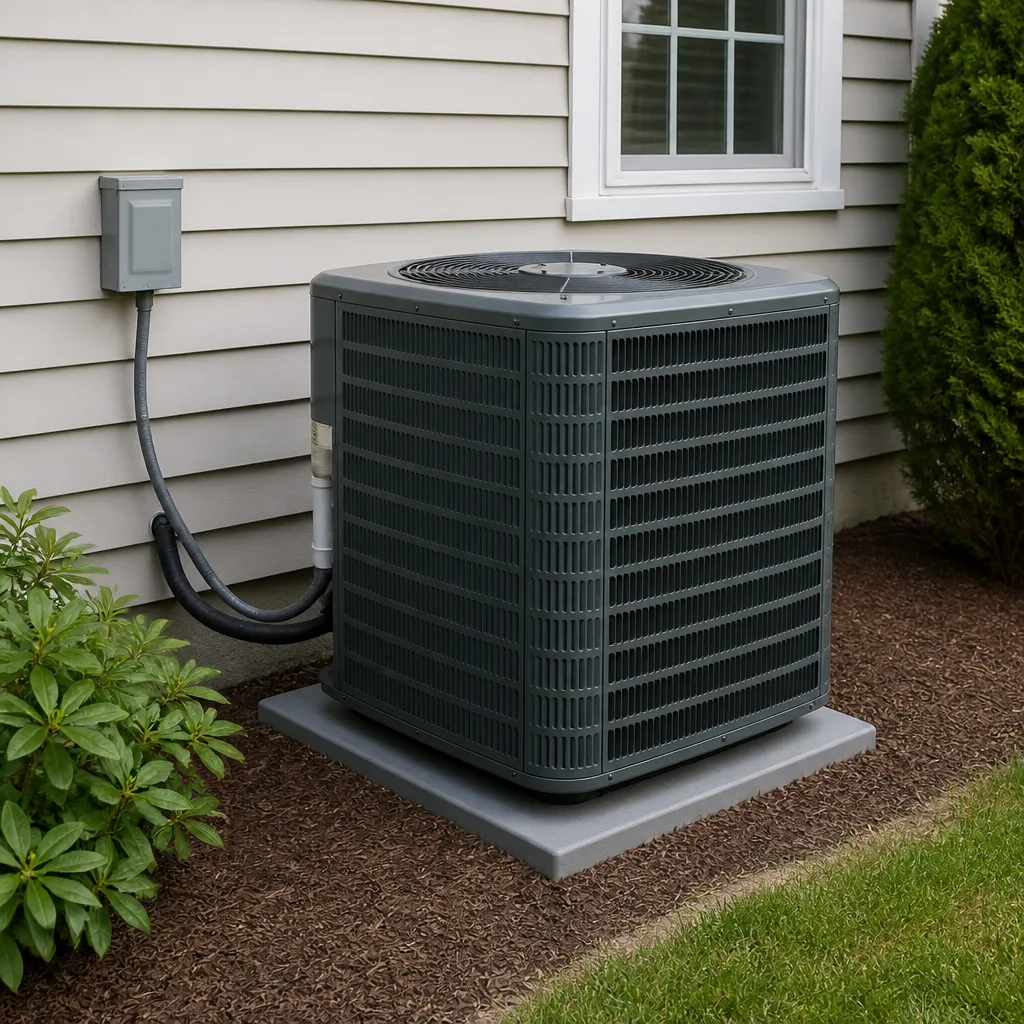 Goodman
Seasonal tune-up and full diagnostic on your Carrier, Trane, or Goodman system - readings shown to you before any repair is proposed
Diagnosis first, numbers second - you approve the repair price before a single part goes in.
Get your free estimateHVAC Emergency Preparedness Guide for Irving Homes
Most HVAC emergencies in Irving aren’t really emergencies. They’re surprises. The system that hummed through May finally quits on the first afternoon that hits triple digits, or a furnace that’s never once failed picks the night of an ice storm to go quiet. The counterintuitive part: in both cases, the homeowner’s biggest problem usually isn’t the broken equipment. It’s the wait. During a major local ice event, HVAC service calls back up for days, and people without heat find themselves waiting not on a part but on a technician already committed to earlier calls. This guide covers what to do in the first half hour of a cooling failure, what to document before anything breaks, how to get more out of an Irving home in extreme weather, and when running a struggling system does more harm than good.
Quick Answer
In an Irving HVAC emergency, the right first move is to protect people and the equipment at the same time: switch the system off at the thermostat, check the filter and the outdoor unit for obvious airflow blockages, and confirm the breaker before assuming the worst. Then call a specialist rather than running a damaged system to see if it recovers. The prepared homeowner – with the model, age, and service history of the system written down and a service relationship already in place – gets through a peak-season outage far better than one calling a stranger on the worst day of the year.
Styles & brands we work with
- AC repair
- Furnace & heating
- Heat pumps
- Ductless mini splits
- Carrier
- Trane
- Goodman
Table of Contents
- Why Irving HVAC Failures Hit in Bursts
- The First 30 Minutes of a Cooling Failure
- Building a Service Relationship Before You Need One
- What to Document About Your System Now
- Interim Cooling and Heating Without a Basement
- When to Run a Struggling System and When to Stop
- Preparing for the Rare Ice Storm
- Common Mistakes to Avoid
- When to Call a Professional
- Frequently Asked Questions
Why Irving HVAC Failures Hit in Bursts
Irving’s climate hands HVAC systems two very different kinds of stress, and both arrive all at once. Summer heat is long and punishing. When the season’s first run of 100°F days lands, every air conditioner in the city is running flat out at the same time, and the units closest to their limits are the ones that fail. That’s why we see calls cluster in the first real heat wave rather than spreading evenly across the summer. It’s not that every system breaks – it’s that the weakest ones break together.
The other event is much rarer but just as disruptive: the ice storm. Irving sits in a part of North Texas where a serious ice event is uncommon but entirely possible, and when one hits, furnaces that have been idle for months suddenly get a real workload. Heat pumps and gas furnaces alike discover whatever was marginal. Road conditions make travel slow. And demand for technicians spikes across the metro at once.
Two predictable events, then, and one shared lesson: an HVAC emergency is as much a logistics problem as a mechanical one. A homeowner who has done a little preparation is not competing for the same technician slot as everyone who hasn’t. That’s the whole thesis of this guide.
The First 30 Minutes of a Cooling Failure
When the AC stops cooling in the middle of an Irving heat wave, the first half hour is about protecting the people inside and stopping the equipment from hurting itself. Those two goals usually point in the same direction, which makes the sequence easy to remember. Work through these steps in order.
- Get the occupants comfortable and safe. Young children, older adults, and anyone with a health condition are the priority when indoor temperatures climb. Move them to the coolest part of the house, close blinds against direct sun, and use whatever fans you have. If anyone shows signs of heat illness, that’s a health matter first and an HVAC matter second.
- Turn the system off at the thermostat. Set it to off rather than leaving it calling for cooling it can’t deliver. A system that keeps running while starved of airflow or low on refrigerant is doing damage every minute it stays on.
- Check the air filter. A clogged filter is one of the most common causes of a system that runs but doesn’t cool. Pull it, hold it to the light, and replace it if it’s matted. This is the one check that genuinely fixes problems on its own.
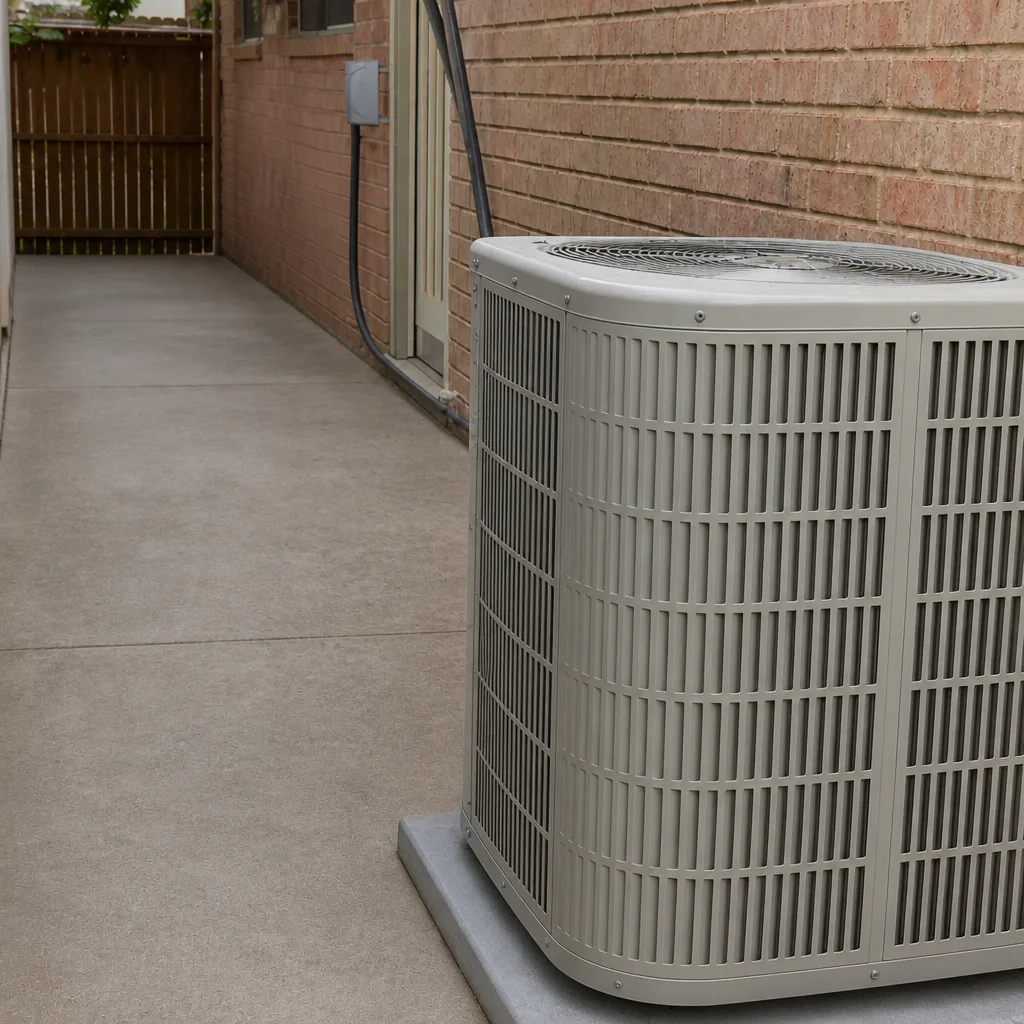
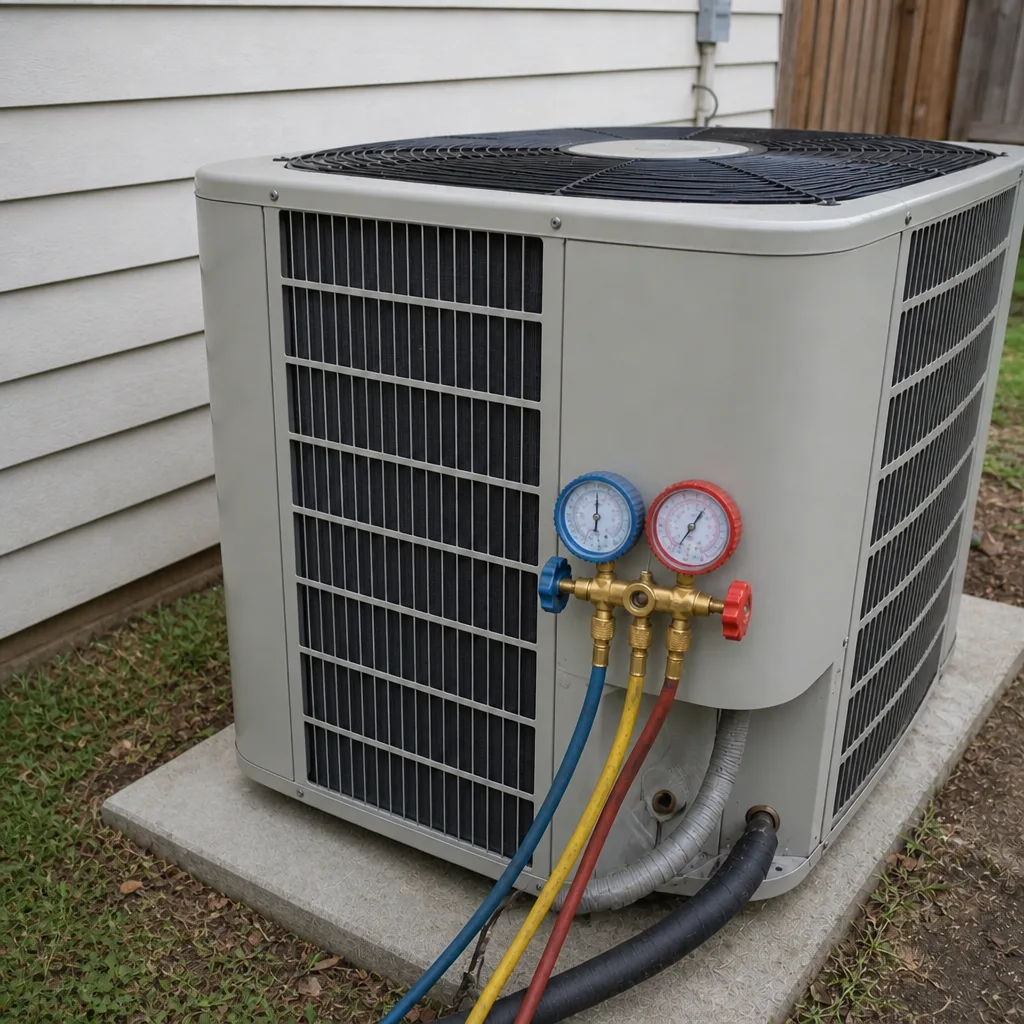
- Look at the outdoor unit. From a safe distance, check that the condenser isn’t blocked by debris, a cover left on, or vegetation pressed against the coil. Clear anything obviously in the way. Don’t open panels or reach into the unit.
- Confirm the breaker and the thermostat settings. A tripped breaker or a thermostat in the wrong mode (heat instead of cool, or fan-only) explains more breakdowns than people expect.
- Stop and call. If none of that restores cooling, leave the system off and call a specialist. Resist the urge to keep restarting it to see if it catches.
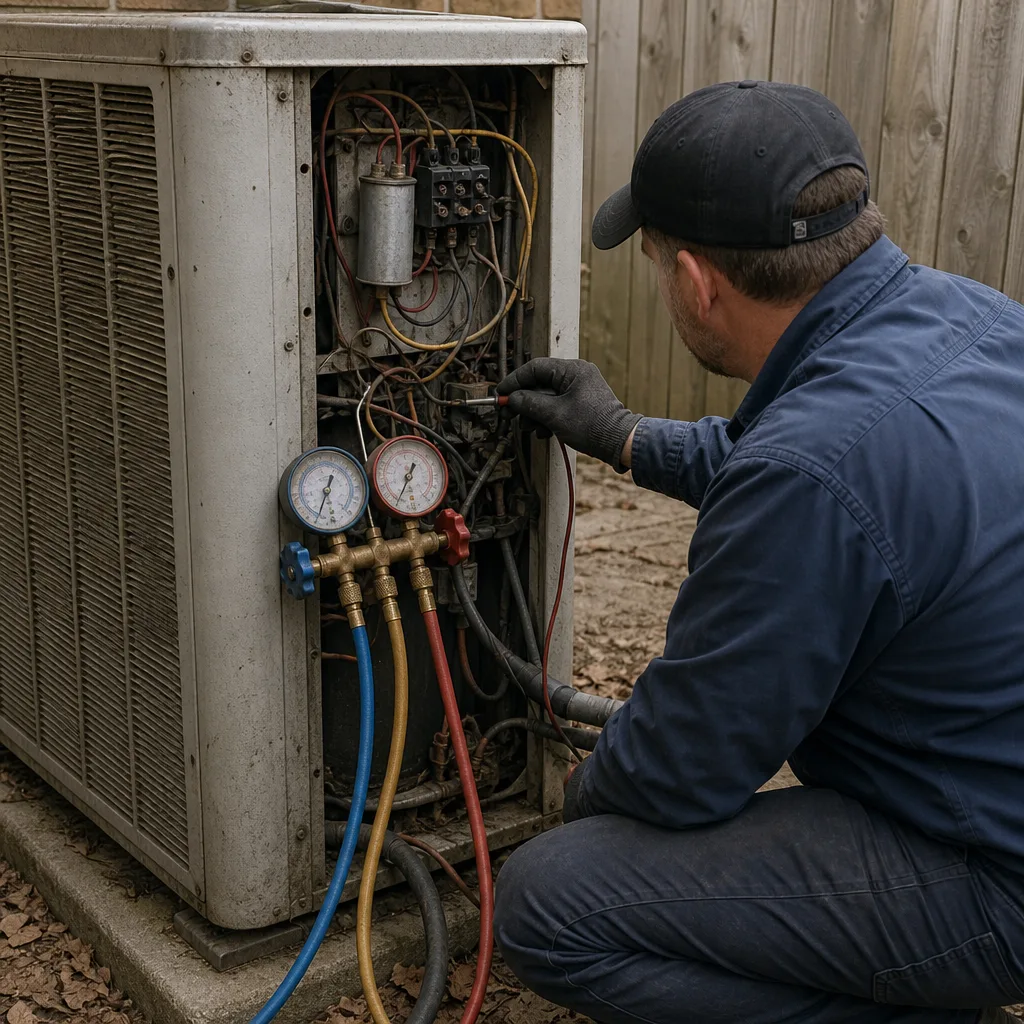
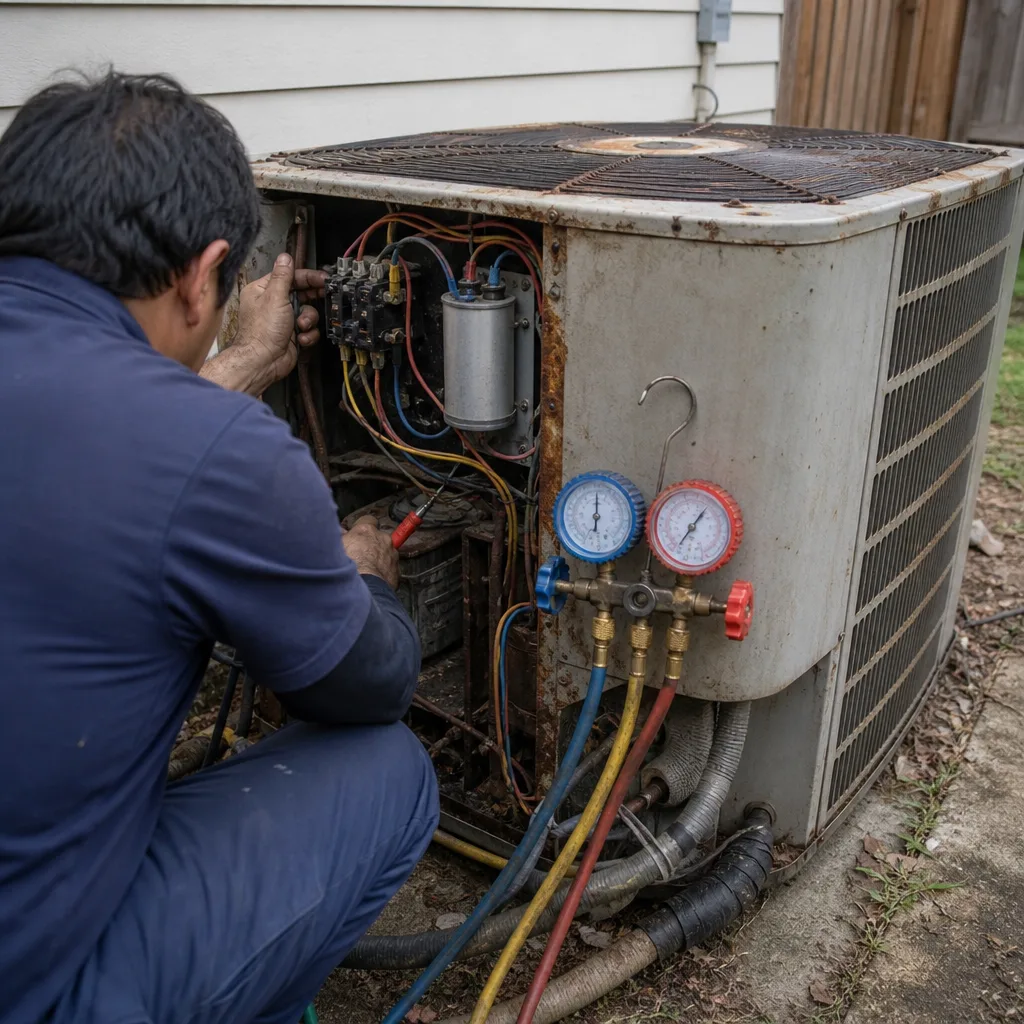
Notice what’s on that list and what isn’t. Nothing here asks you to open refrigerant lines, poke at wiring, or diagnose a compressor. Those belong to a trained technician, and we’ll explain why in a moment.
Building a Service Relationship Before You Need One
Here’s the uncomfortable truth about peak-season HVAC service: the call placed on the worst day of the year competes with every other call placed that day. The homeowner who is a known customer, whose equipment is already documented and whose history a technician can pull up, is simply easier to help than an anonymous caller describing a system no one has seen. That’s not favoritism. It’s information.
Building that relationship in Irving is straightforward, and it costs nothing in urgency. The idea is to have a first visit – a repair, an inspection, even a tune-up or an AC repair appointment – happen during calm weather, not during the scramble. A few things that relationship buys you:
- A technician who has already seen your system and knows its quirks before things go wrong.
- A record of your equipment’s make, model, and service history that a dispatcher can read back in seconds.
- Someone to call who recognizes your name and your address when you’re stressed and can’t remember your own model number.
- A chance to catch a failing component early, before it becomes the reason you’re without cooling.
We know how frustrating it is to explain your equipment to a technician who seems to be meeting it for the first time. That’s the generalist problem, and it’s why we’ve built our business around depth rather than breadth. We cover just three services – AC repair, AC installation, and furnace repair – and we’re factory-familiar with nine leading manufacturers: Carrier, Trane, Lennox, Goodman, Rheem, York, Daikin, Bryant, and American Standard. Nine brands. One standard. When your system is one of those nine, you’re not paying us to learn it on your dime.
What to Document About Your System Now
The single most useful preparation you can do in fifteen minutes costs nothing: write down what equipment you actually own. When an emergency hits, the last thing you want is to be crawling through the attic looking for a nameplate while the house heats up. A simple note card on the inside of a utility closet door, or a photo on your phone, covers it.
Here’s what to capture.
- Make and model. The brand on the outdoor unit and the model number from its nameplate. This tells a technician what they’re dealing with before they arrive.
- Serial number. Often on the same plate. This also helps establish the system’s age and whether any manufacturer notices apply.
- Approximate age. When the system was installed, or your best estimate if you inherited it with the house.
- Refrigerant type. This matters for older equipment, and it’s the kind of thing a technician checks immediately. Don’t guess – if you don’t know, let the technician confirm it.
- Service history. Any repairs, part replacements, or installs, with dates if you have them. Even a rough note (“compressor replaced a few years back”) is useful.
Take a clear photo of each nameplate while you’re at it. In our experience, a homeowner who can text a photo of the outdoor unit’s nameplate saves everyone time – and gets a more precise answer on the phone. None of this replaces a technician’s diagnosis, but it means that first call goes faster and the eventual repair is better aimed.
Interim Cooling and Heating Without a Basement
Much of Irving’s housing stock is single-story ranch homes, and most of them don’t have a basement to retreat to when the cooling fails or the heat won’t come on. That shapes what actually works as an interim strategy. A basement is a natural refuge in summer; without one, you need a plan that uses the space you have.
For a typical ranch home, here’s what tends to help most in a cooling outage:
- Pick one room and cool it, not the whole house. A single bedroom with the door closed, blinds drawn, and a fan running stays noticeably more comfortable than a house with every door open.
- Block the sun before it gets in. Close blinds and curtains on sun-facing windows during the hottest hours. This is free and it works.
- Use fans to move air over skin, not to cool empty rooms. A fan cools people, not spaces. Point it at the people who need it.
- Stay hydrated and take it easy during peak heat. Avoid cooking with the oven, and postpone heavy chores until the cooler part of the day.
For a heating outage during an ice event, the logic flips. Consolidate into one room, block drafts under doors with a rolled towel, wear layers, and use blankets. If you have a fireplace or a space heater, use it carefully and never leave a space heater unattended. Keep the pipes in mind too: even in a mild climate, an unheated home during a hard freeze can put plumbing at risk, so let faucets drip and keep cabinet doors open on exterior walls.
Portable units help, but they have limits. A window unit or portable AC can carry a room; it can’t carry a 1,800 square foot ranch. Set expectations accordingly, and treat these as bridges to the repair, not replacements for it.
When to Run a Struggling System and When to Stop
This is the decision that most often turns a moderate repair into a full replacement, and it’s the one homeowners get wrong most. The instinct during a heat wave is to keep the system running in the hope it recovers. Sometimes that’s fine. Sometimes it destroys a compressor.
As a general rule, a system can run in a degraded state when the problem is on the air side: a dirty filter, a blocked return, a closed register, or a thermostat set wrong. Restoring airflow and letting it run is reasonable, and it may be all that’s needed. A system should not be run when the signs point to a refrigerant or mechanical problem.
Stop and call if you notice any of these:
- Ice forming on the indoor coil or the refrigerant lines.
- Repeated tripping of the same breaker.
- Grinding, screeching, or banging from the outdoor unit.
- The compressor short-cycling – starting and stopping every few minutes.
- A burning smell or any sign of scorched wiring.
- A furnace that runs but doesn’t heat, or that makes a rhythmic booming sound on start-up.
That last set is where the real danger lives. A compressor that runs low on refrigerant or without lubrication can seize, and a heat exchanger that’s cracked or overheating can let combustion gases into the home. Neither is a “run it and see” situation. Refrigerant work and anything involving the gas side of a furnace belong to a trained technician – and we mean that as a safety rule, not a sales pitch. If you’re unsure whether your situation is the safe-to-run kind or the stop-now kind, call and describe what you’re seeing. It’s a quick conversation, and it can save you a compressor.
Preparing for the Rare Ice Storm
Irving doesn’t see ice storms often, which is exactly why they catch people off guard. A furnace that’s never been asked to work hard suddenly gets a real load, road conditions slow everything down, and demand for technicians spikes across the metro. If your heat goes out during an ice event, you may be waiting not for a part but for a technician who was booked before you called. Preparation is the only thing that shifts your place in that line.
A few things worth doing before the season turns:
- Run the heat once well before you need it. On a mild day, switch the thermostat to heat and let it run for a few minutes. If it’s going to fail, better to find out now than during an ice event.
- Replace the filter. A clean filter helps a furnace run properly under load, and it’s the simplest thing you can control.
- Know your system. Have the make, model, age, and service history documented – the same list from earlier in this guide.
- Have a service relationship in place. If your furnace is one of the nine brands we work on – Carrier and Trane among them – get it looked at by someone who knows it before the storm, not during.
- Plan for the wait. If heat does fail, know which room you’ll consolidate into, where the blankets and layers live, and how you’ll keep pipes from freezing. That plan is worth more than a frantic call.
Most of this is free and takes an afternoon. The point isn’t to predict the storm. It’s to make sure that when it comes, you’re not the anonymous caller at the back of the queue.
Common Mistakes to Avoid
We’ve seen these mistakes enough times to recognize the pattern. Avoiding them is most of the battle.
- Restarting a failing system over and over. Every restart on a system that’s short-cycling or low on refrigerant adds stress to a compressor. If it didn’t recover the first time, leave it off and call.
- Ignoring a dirty filter because it “looks fine.” Hold it up to the light. A filter that’s matted with dust chokes airflow and overheats the system. During an Irving summer, that’s a fast path to a bigger repair.
- Trying to add refrigerant yourself. Refrigerant handling is regulated and genuinely dangerous. This is not a homeowner task, and the wrong move can damage the system and hurt you.
- Waiting until the first 100°F day to call. By then, everyone is calling. A tune-up or inspection in calm weather is the single best way to avoid being at the back of the peak-season queue.
- Not knowing what equipment you own. When a technician asks for your model and serial number and you don’t have them, the first visit starts with a search. Document it now.
- Running a furnace that won’t heat. A furnace that runs but doesn’t produce heat may have a cracked heat exchanger or a combustion problem. Running it repeatedly is a safety risk, not just an inconvenience.
- Assuming any contractor will do. A generalist who handles plumbing and HVAC and everything between is learning your system on your dime. A specialist who knows your brand gets to the right answer faster.
When to Call a Professional
Some HVAC problems are safe to poke at yourself. Others absolutely are not, and knowing the difference is the mark of a prepared homeowner. Call a professional if you see ice on the coil or refrigerant lines, if the same breaker keeps tripping, if the outdoor unit is making grinding or banging noises, if the compressor is short-cycling, or if there’s any burning smell or sign of scorched wiring. Call if a furnace runs but won’t heat, or if it booms on start-up. Call if you’ve checked the filter and the thermostat and the system still won’t cool. And call if you’re simply unsure – a quick conversation can tell you whether to run the system or shut it down.
For AC repair and furnace repair, a specialist is the right call. For a system that’s reached the end of its life, an honest assessment of repair versus replacement matters more than a quick sale. We handle AC installation as well as repair, so our recommendation is driven by your system’s condition and your situation, not by what we’d rather sell you. Kingsley AC Repair offers free estimates in Irving. Call (855) 473-9031 to get a straight answer.
Frequently Asked Questions
Turn the system off at the thermostat, check and replace the air filter if it’s dirty, look at the outdoor unit for obvious blockages from a safe distance, and confirm the breaker hasn’t tripped. If cooling doesn’t return, leave it off and call a specialist. Continuing to run a system that’s starved of airflow or low on refrigerant can damage the compressor. Call (855) 473-9031 for a free estimate – we answer 24/7, with fast dispatch from 7am to 7pm, Sunday through Friday.
Because they do. Irving’s failures cluster around two events: the first stretch of 100°F days each summer, when every air conditioner runs flat out at once, and the rare ice storm, when idle furnaces get a sudden real load. In both cases, the weakest systems fail together, and demand for technicians spikes across the metro. The homeowners who prepared are the ones who get through it best.
Possibly several days. During a major ice event, HVAC calls back up substantially, and homeowners without heat wait not on a part but on a technician already committed to earlier calls. That’s why preparation matters – having a service relationship in place and your system documented before the storm is the only thing that reliably shifts your place in the queue.
Sometimes, but only for air-side problems – a dirty filter, a blocked return, a closed register, or a wrong thermostat setting. Never run it if you see ice on the coil or refrigerant lines, repeated breaker trips, grinding or banging from the outdoor unit, short-cycling, or any burning smell. Those point to mechanical or refrigerant problems, and running the system can turn a repair into a replacement.
The make, model, serial number, approximate age, refrigerant type, and service history of your system. Take a photo of the nameplate on the outdoor unit and keep it on your phone. When you call, this lets the technician identify your equipment before arrival, which saves time and yields a more precise answer.
If it’s one of the nine brands we’re factory-familiar with – Carrier, Trane, Lennox, Goodman, Rheem, York, Daikin, Bryant, or American Standard – yes. We built our business on depth with the equipment most homeowners already own. You shouldn’t have to explain your equipment to your technician. Call (855) 473-9031 for a free estimate.
The Bottom Line
Irving’s HVAC emergencies aren’t random. They cluster around the first 100°F day of summer and the rare ice storm, and in both cases the wait for a technician is the biggest obstacle. The preparation that matters most is nearly free: know what equipment you own, document it, replace the filter, run the heat before you need it, and establish a service relationship before the scramble. In the first 30 minutes of a cooling failure, protect people and shut the system down rather than restarting it. When in doubt, call. Nine brands, one standard – and a straight answer when you need one. Call Kingsley AC Repair at (855) 473-9031 for a free estimate, serving Irving since 2014.
Written by the team at Kingsley AC Repair, serving Irving since 2014.
See the difference
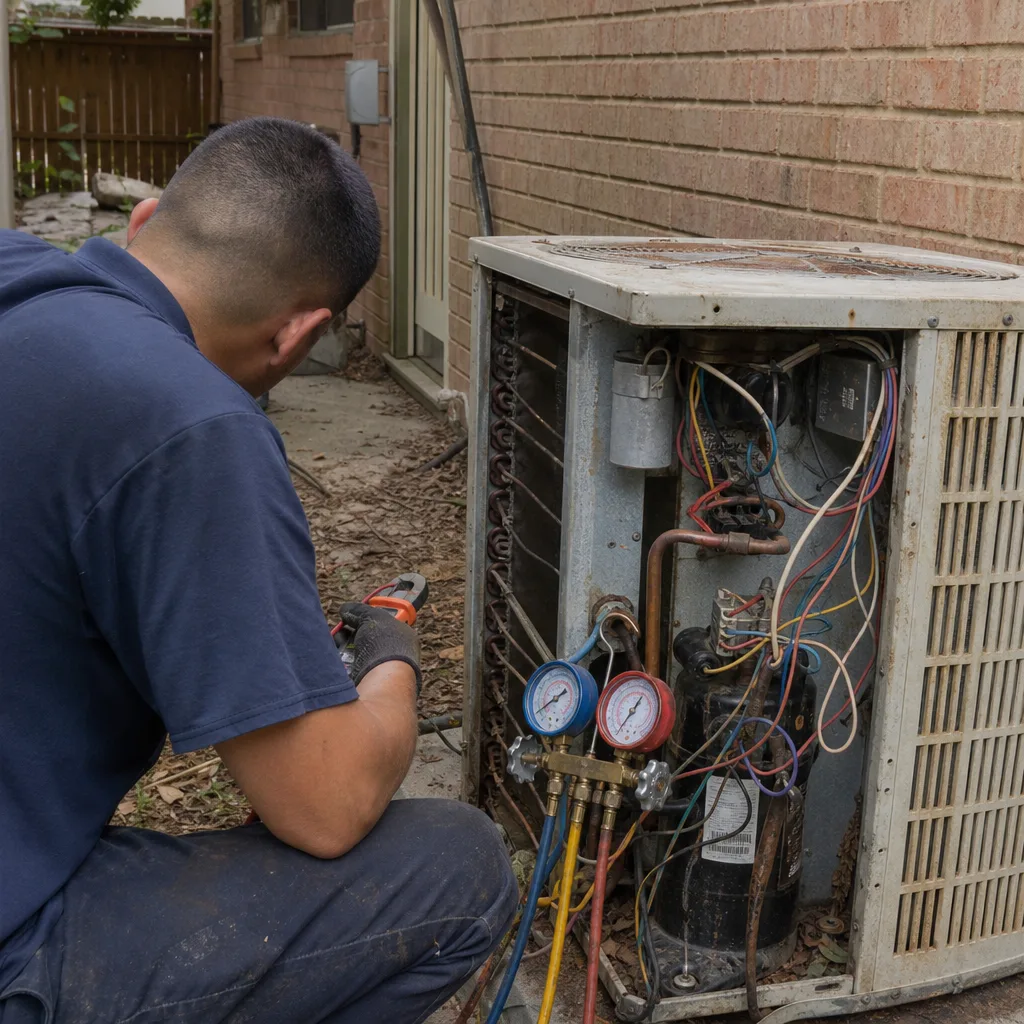 Before
 After
 Before
 After
 Before
 After