
Last updated November 14, 2026
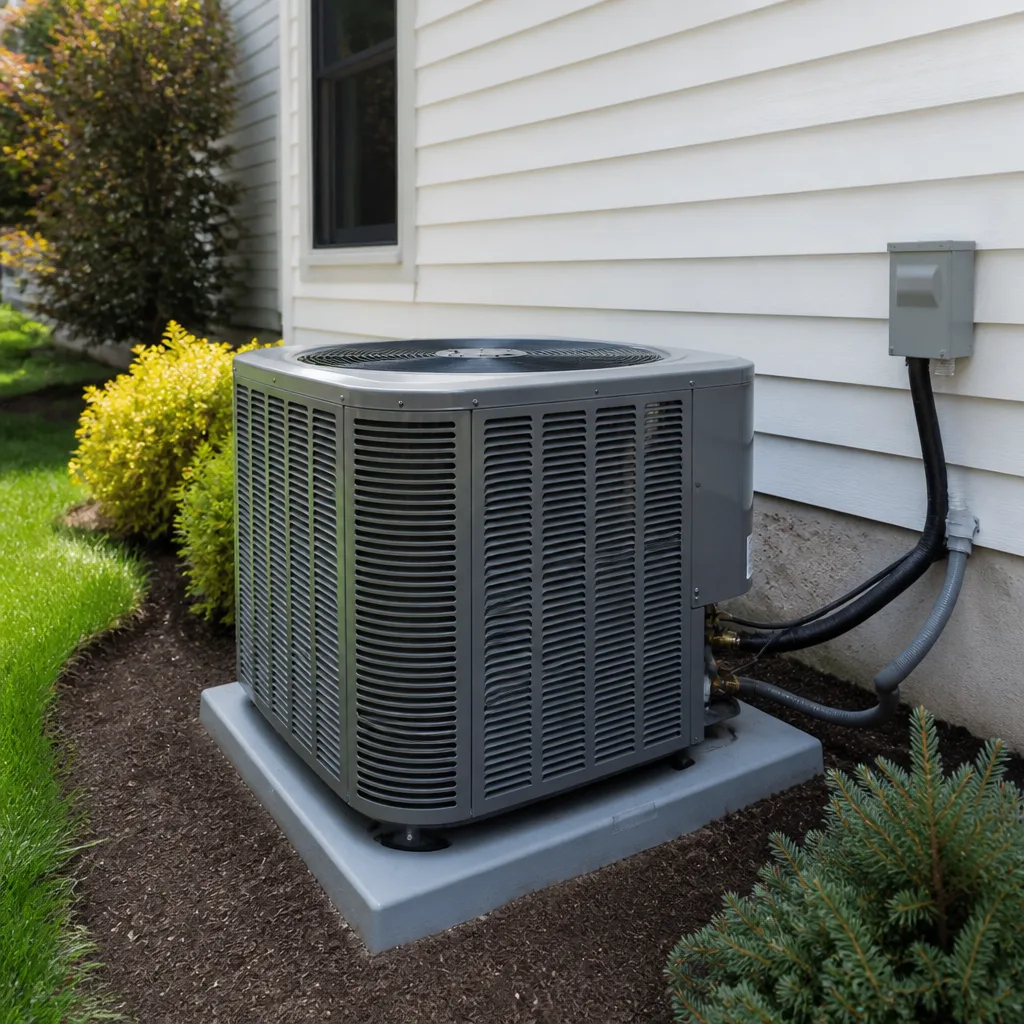 AC repair
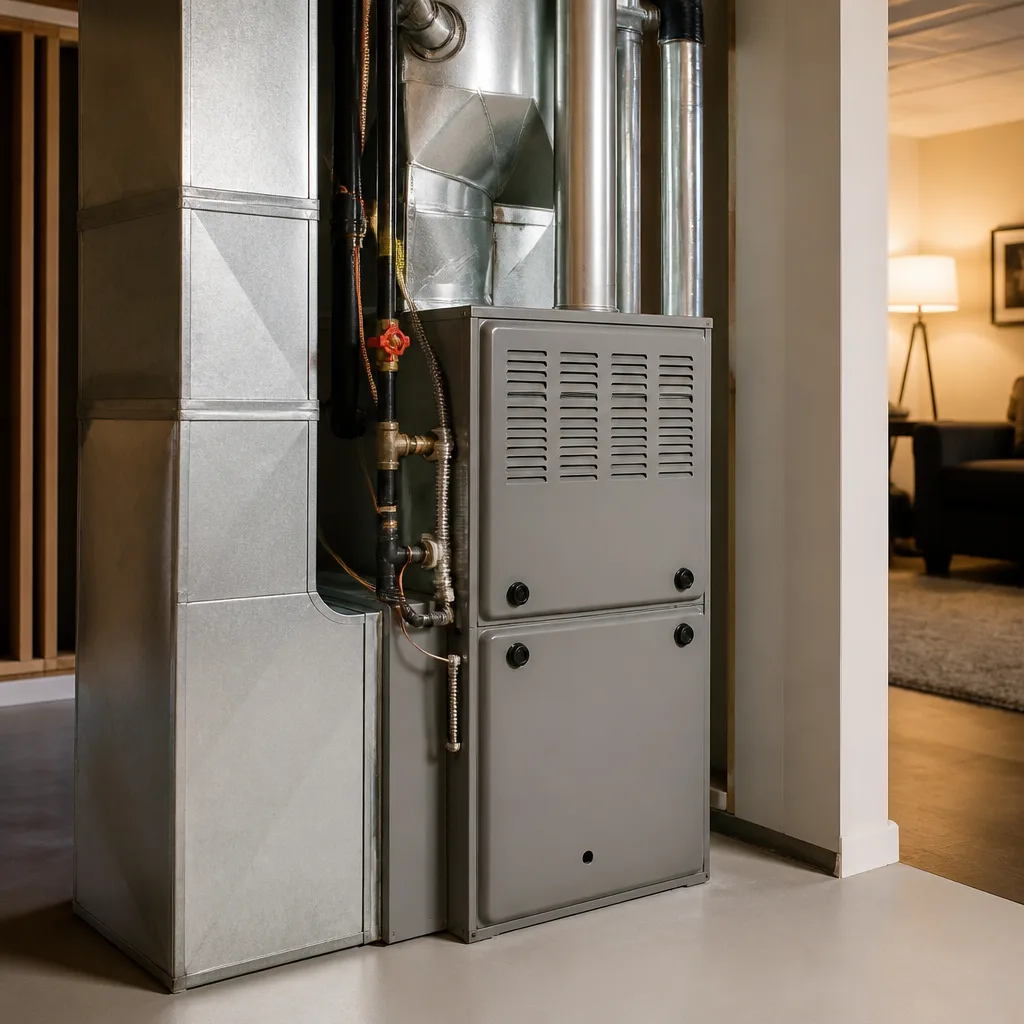 Furnace & heating
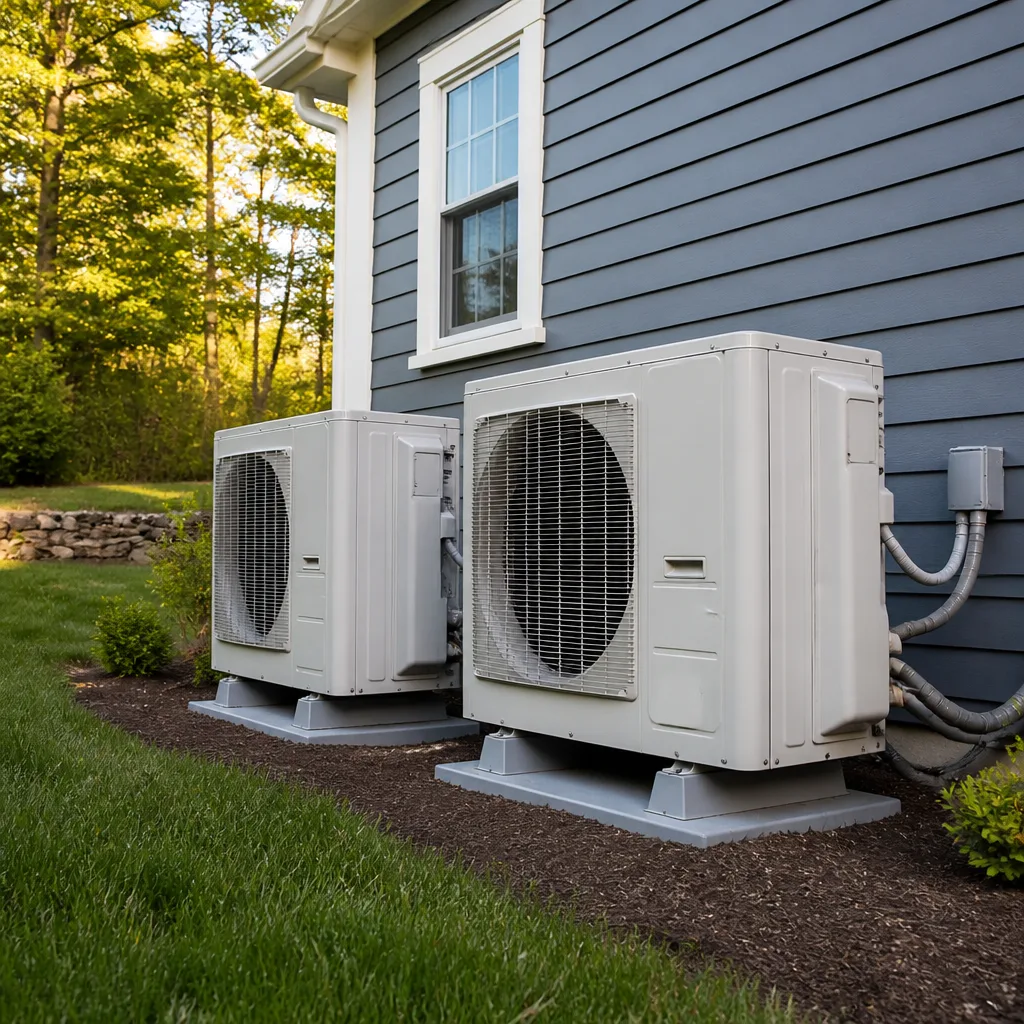 Heat pumps
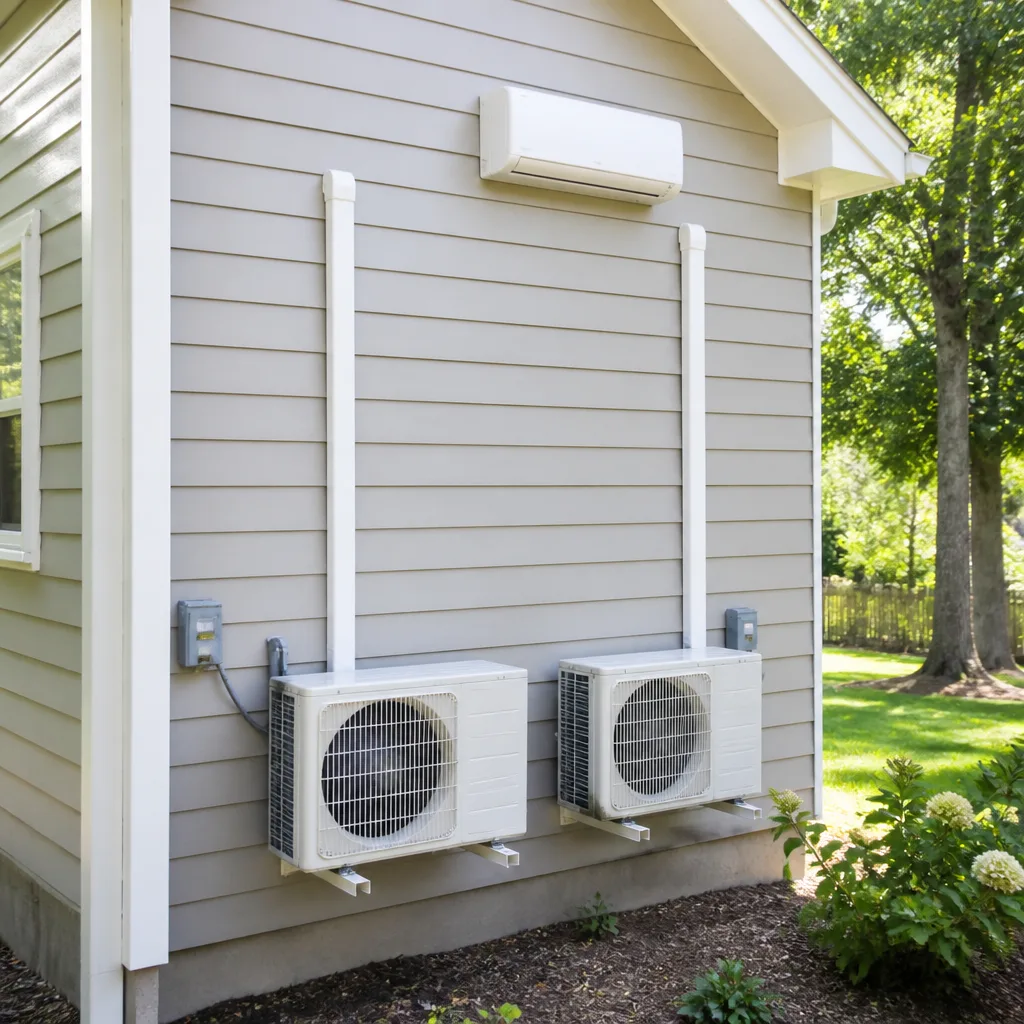 Ductless mini splits
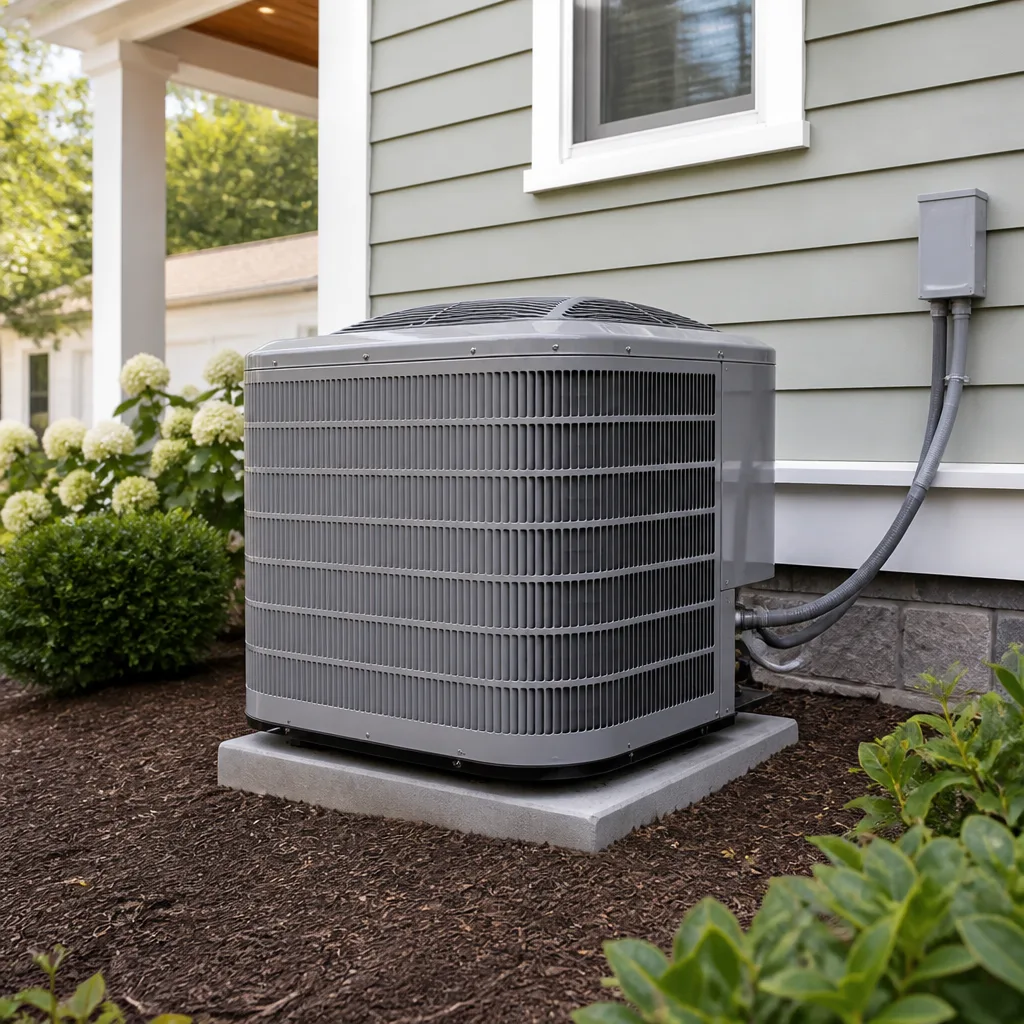 Carrier
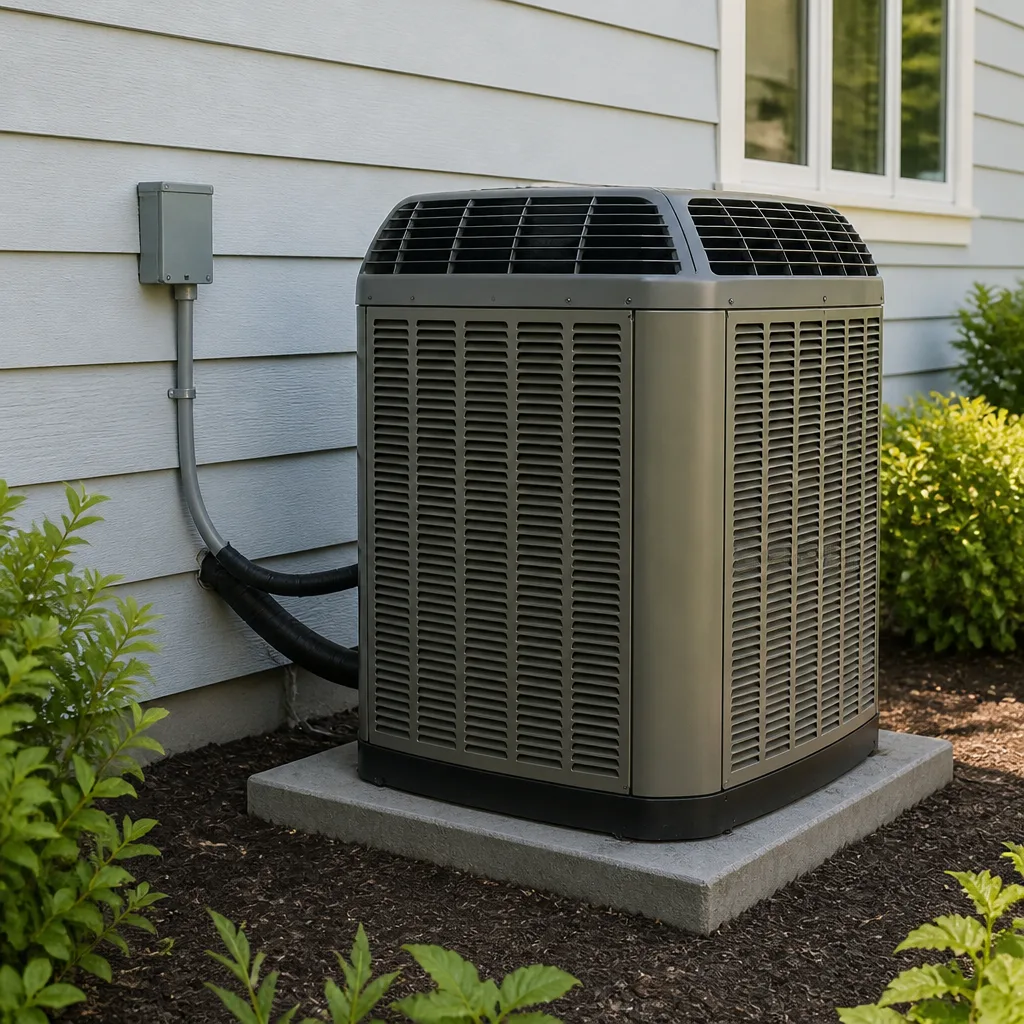 Trane
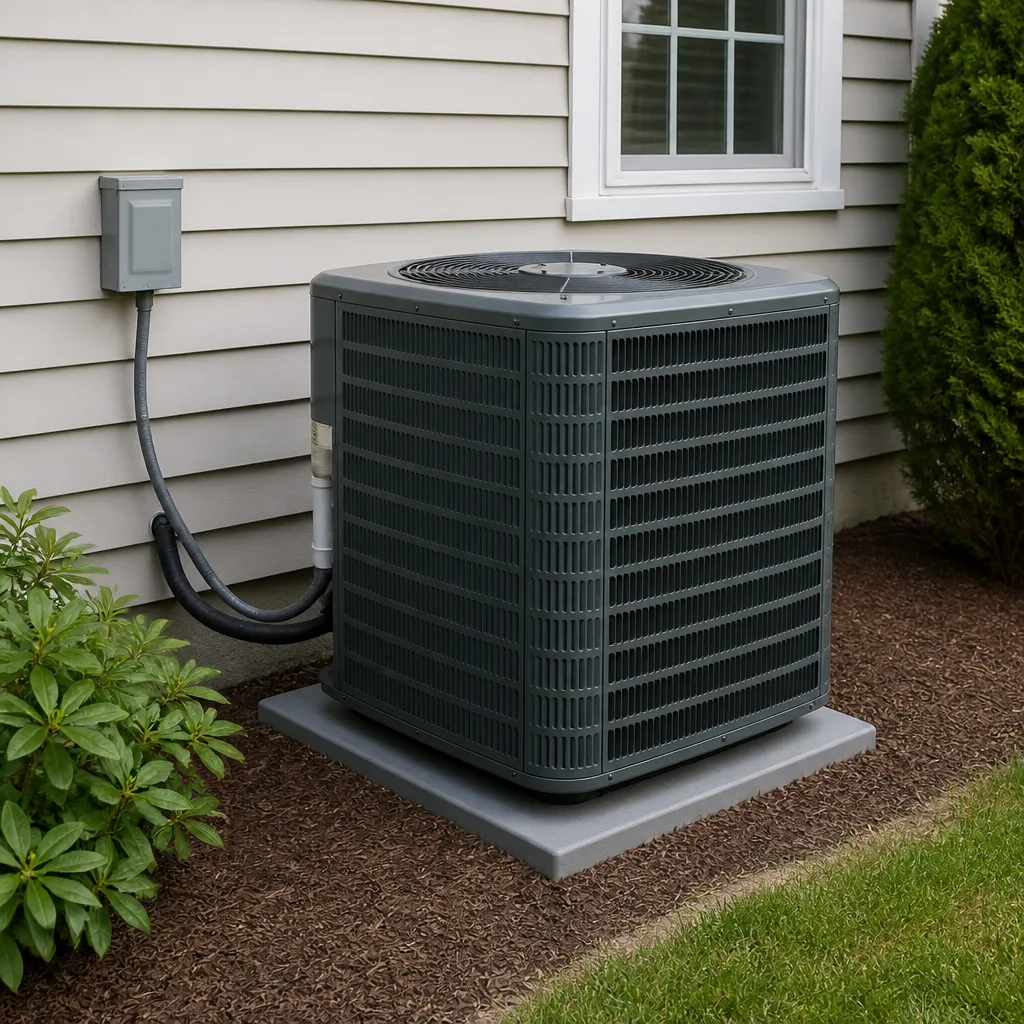 Goodman
Seasonal tune-up and full diagnostic on your Carrier, Trane, or Goodman system - readings shown to you before any repair is proposed
Diagnosis first, numbers second - you approve the repair price before a single part goes in.
Get your free estimateHow to Hire an HVAC Contractor in Irving: A Step-by-Step Guide
Most homeowners in Irving ask one question when they start shopping for an HVAC contractor: “Are they licensed?” It’s the right instinct, but it’s an incomplete test. A state license tells you the company is allowed to do the work. It doesn’t tell you whether the technician who actually walks through your door is a licensed professional or someone still learning the trade with a supervisor a phone call away. That gap is where most hiring mistakes happen, and it’s what this guide fixes. We’ll walk through the license check, the five questions that reveal real brand competency, the red flags specific to the DFW market, and how to read an estimate so you can tell a fair job from an inflated one.
Quick Answer
To hire an HVAC contractor in Irving, verify both the company and the individual technician through the Texas Department of Licensing and Regulation (TDLR), ask five specific questions about brand familiarity and diagnostic process, and demand a written estimate that itemizes equipment, parts, and scope. Any contractor who skips a load calculation on a replacement job, quotes a diagnostic fee that magically becomes a repair credit, or can’t name the brands they’re trained on is not a safe hire.
Styles & brands we work with
- AC repair
- Furnace & heating
- Heat pumps
- Ductless mini splits
- Carrier
- Trane
- Goodman
Table of Contents
- How to Verify TDLR Licensing in Texas
- The Five Questions That Reveal Brand Competency
- Red Flags Specific to the DFW HVAC Market
- How to Read a Written Estimate
- What a Legitimate Load Calculation Looks Like
- Repair or Replace: How to Decide
- Irving-Specific Hiring Considerations
- What to Expect on Service Day
How to Verify TDLR Licensing in Texas
Every air conditioning and heating contractor working in Texas must hold a license through the Texas Department of Licensing and Regulation. The license belongs to the company, and every technician who performs work under that company should also be individually licensed and registered. Both matter. We’ve seen homeowners check the company license, feel confident, and then discover that the person sent out is brand new to the trade and unfamiliar with their specific equipment.
The TDLR maintains an online license search that anyone can use. Here’s the step-by-step process:
- Search the company by name on the TDLR website. Confirm the license is active, not expired or suspended, and that the company is licensed for the scope of work you need.
- Ask for the license number in writing before the technician arrives. A legitimate contractor provides it without hesitation.
- Verify individual technician credentials. When you schedule the appointment, ask who is coming and whether they are individually registered with TDLR. You can ask for the technician’s registration number too.
- Ask whether the technician is an employee or a subcontractor. Companies that use subcontractors may send a technician who has no ongoing relationship with the business and no accountability to its quality standard.
- Match the company license number to the invoice. When the work is done, the invoice should show the same license number you verified earlier.
Irving homeowners near Las Colinas and Valley Ranch often live in newer construction where the HVAC systems are still under the builder’s warranty. In those cases, verifying that the contractor is licensed and that the work will be documented properly protects that warranty as well.
The Five Questions That Reveal Brand Competency
Brand familiarity is the single biggest gap between the contractor you think you hired and the one who actually shows up. A technician who works on Carrier equipment every week knows the common failure points, the diagnostic sequence, and the parts availability timeline. A technician who works on nine different brands across the metro is stronger still. The five questions below surface that competency before anyone enters your home.
- “Which brands are your technicians factory-trained on?” A confident contractor names specific manufacturers. At Kingsley AC Repair, our technicians are trained across nine major brands: Carrier, Trane, Lennox, Goodman, Rheem, York, Daikin, Bryant, and American Standard. If the answer is vague (“we work on everything”), that’s your cue to keep looking.
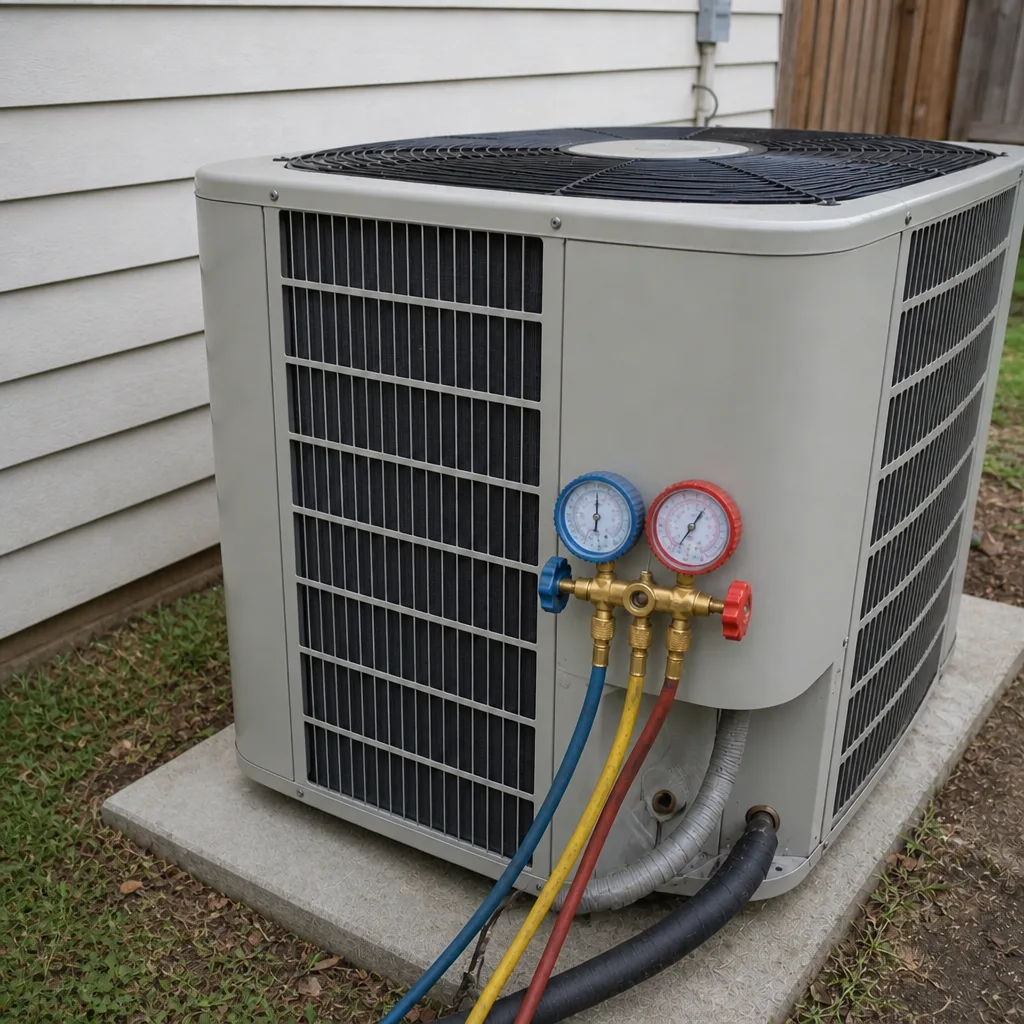
- “Walk me through how you diagnose this symptom.” A brand-competent technician describes the sequence: check the thermostat, check the capacitor, check the refrigerant pressures, check the compressor. A guesser will tell you it “sounds like” one thing without explaining how they know.
- “Do you call the manufacturer’s tech support when you’re stumped?” We’ve seen technicians spend hours guessing on a Trane system when the manufacturer’s technical support line could have the answer in ten minutes. A professional uses those resources.
- “What’s your diagnostic fee, and does it come off the repair?” Be careful here. See the red flags section below for how this question exposes bait-and-switch pricing.
- “How long have your technicians been with the company?” High turnover is a sign that the contractor is churning through people. Low turnover is a sign of stability, training, and consistent standards.
Ask these questions when you book the appointment, not when the technician is already standing at your door. The answers, and the tone in which they’re delivered, tell you more than the company website does.
Red Flags Specific to the DFW HVAC Market
The North Texas HVAC market has a few patterns that homeowners should know about. Dallas-Fort Worth is a major metro, and the volume of work available attracts all kinds of contractors, including some who won’t be here next season.
- Storm chasers. After a major hail or wind event, out-of-state contractors sometimes appear offering “insurance-covered” HVAC work. They may not be licensed in Texas, and they’ll be gone before the warranty period is over. Always verify the TDLR license and a local operating address before signing anything.
- Private-equity-acquired companies. Many formerly local HVAC companies have been acquired by larger investment groups. That’s not automatically bad, but it often means technician rotation, sales quotas, and a shift toward replacement over repair. Ask directly whether the company is locally owned and how technician compensation works.
- Bait-and-switch diagnostic fees. A common tactic: advertise a very low diagnostic fee, then tell the homeowner the repair requires far more than the fee covers. Or the reverse: charge a full diagnostic fee and refuse to apply it to a repair. Get the diagnostic fee in writing before the technician arrives.
- “Your system needs a full replacement” on the first visit. Some contractors default to replacement because the margin is higher. A trustworthy contractor will explain why repair isn’t viable, not just assert it.
- No physical address or no verifiable local presence. If the company’s website lists a P.O. box or a virtual office address with no history in the Irving area, that’s worth investigating.
- Pressure to sign today. Legitimate HVAC work in Irving rarely requires same-day signature. A contractor with confidence in the diagnosis will let you think about it.
None of these flags is proof of a bad contractor on its own. But several together are a clear signal to call someone else.
How to Read a Written Estimate
A written estimate is your best protection against unnecessary scope and against missing scope. The problem most homeowners run into is that they don’t know what a complete estimate should contain, so they can’t tell whether what they’re looking at is thorough or thin.
A complete written estimate for an HVAC repair or replacement in Irving should include:
- Equipment specification: Manufacturer, model number, tonnage, and efficiency rating for any new equipment. Never accept “a 3-ton unit” as the full description.
- Parts and labor breakdown: Which parts are being replaced, whether they’re OEM or aftermarket, and what the labor covers.
- Scope of work: What’s included (refrigerant recovery, electrical work, drainage, permits) and what’s excluded.
- Permit requirements: Most cities require a permit for HVAC replacement. Ask whether the estimate includes the permit and inspection.
- Warranty terms: Equipment warranty and labor warranty should be stated separately, with duration.
- Timeline: Expected start and completion. For a replacement, installation usually requires ordering equipment and scheduling a full day.
- The licensed contractor’s name and TDLR license number.
Read for what’s missing as carefully as what’s listed. An estimate that lists a new compressor but doesn’t mention refrigerant recovery and recharge is missing scope. An estimate that includes a new thermostat without asking whether your existing one is compatible with the new system is missing scope. A careful contractor will walk through the estimate line by line and answer questions before the work begins.
What a Legitimate Load Calculation Looks Like
If you’re replacing an HVAC system, a load calculation is not optional. It’s the calculation that determines what size system your home actually needs, based on square footage, window area and orientation, insulation levels, ductwork condition, and local climate data. A contractor who skips it on a replacement job is a liability, not a bargain.
Here’s what a legitimate load calculation involves:
- Measuring the home’s conditioned square footage – not the whole house, but the space the system actually serves.
- Recording window sizes, locations, and shading – a west-facing window in Irving’s summer heat is a very different load than a north-facing one.
- Checking insulation and air sealing – attic insulation levels, wall construction, and draftiness all affect the load.
- Inspecting the ductwork – duct sizing and condition can make a properly sized system perform badly.
- Using local climate data for design temperatures, which for Irving means accounting for the sustained summer heat the DFW area sees.
We’ve seen contractors skip the load calculation and simply match the tonnage of the old system. That works only if the old system was correctly sized in the first place, and even then, only if your home hasn’t changed (new windows, added insulation, an added room). An oversized system cycles too often, which shortens its life and leaves the house humid. An undersized system runs constantly and can’t keep up in August. Both are expensive mistakes. If a contractor can’t describe their load calculation process, don’t let them order equipment.
Repair or Replace: How to Decide
The repair-versus-replace decision is where trust matters most. A brand-agnostic contractor with no quota to fill will give you an honest answer. A contractor compensated on replacement sales will lean toward replacement, even when repair is viable.
Here’s how to think through it:
- Age of the system. A system past the middle of its expected service life with a major component failure is usually a candidate for replacement. A system well within its life with a failed capacitor or contactor is almost always a repair.
- Repair cost relative to replacement cost. If the repair is a significant fraction of replacement cost and the system is already old, replacement may make more sense.
- Frequency of repairs. Three service calls in two years is a sign the system is on its way out. One service call in ten years is nothing to worry about.
- Efficiency and operating cost. Older systems run at significantly lower efficiency than newer models. In Irving’s long cooling season, an inefficient system costs real money every month.
- Parts availability. Older systems, especially discontinued lines from major brands, can have parts delays. A good contractor checks availability before recommending repair.
Kingsley AC Repair makes recommendations based on the system’s condition and your situation, not on equipment quotas. If repair makes sense, we say so. If replacement makes more sense, we explain why. The right fix for your system is what drives the conversation.
Irving-Specific Hiring Considerations
Irving is a large city with distinct neighborhoods, and the HVAC market here looks different depending on where you are. In Las Colinas, many homes and businesses are newer, and the systems may still be under builder warranty. In Valley Ranch, the housing stock is somewhat older, and aging systems are more common. In the older neighborhoods near downtown Irving, ductwork conditions and system age vary widely.
Climate matters here too. Irving summers are long and hot, with sustained stretches above 100 degrees. That’s hard on equipment. A system that would last fifteen years in a milder climate may need more frequent repairs here. It also means a contractor who is genuinely competent in Trane or American Standard equipment has an advantage over one who’s guessing, because the load on these systems is real and the failure points are predictable.
If you’re new to the area, or if you’re hiring an HVAC contractor for the first time in Irving, a few local notes help. The Irving area has plenty of HVAC contractors, from large franchise operations to small independent shops. The large operations often run good technicians, but you may not get the same one twice. The small shops can be excellent, but verify their licensing and brand training as carefully as you would anyone else’s. What matters most is whether the technician sent to your home is competent on your specific equipment.
If you’re searching for AC repair in the summer, expect higher demand and longer waits. Booking ahead for seasonal tune-ups or scheduling non-urgent work in spring or fall can save you time.
What to Expect on Service Day
Once you’ve hired a contractor, knowing what a professional service call looks like helps you spot problems early. A technician who is rushed, who skips diagnostic steps, or who recommends work without explaining the reasoning is giving you information about the company’s standard of work.
- A call or text ahead of arrival with an arrival window.
- Proper identification and license number available on request.
- Diagnostic process described as it happens – not just the conclusion.
- Clear explanation of the findings before any work is authorized.
- A written estimate for any repair – not a verbal number.
- Authorization before work begins. No surprise charges.
- A written record of what was found and what was done.
If you’re planning a replacement rather than a repair, expect the process to be scheduled rather than same-day. A load calculation and equipment order take time, and that’s a good sign, not a bad one. Our AC installation process starts with a load calculation and a written fixed price before any equipment is ordered.
Heating and cooling, handled. When the furnace fails in January or the AC quits in July, our team at Kingsley AC Repair covers both under one roof, so the relationship you build during an AC repair carries into heating season. Nine brands, one standard.
Common Mistakes to Avoid
- Hiring on price alone. The lowest quote often means the shortest diagnostic, the fewest parts replaced, or a contractor who won’t be around when the repair fails. Ask what’s included, not just what it costs.
- Not verifying the individual technician. The company license is only the first check. Ask who’s coming and whether they’re individually TDLR-registered.
- Accepting a replacement without a load calculation. In a market where installation volume drives revenue, this is the most expensive shortcut. If the contractor doesn’t size the system properly, you’ll pay for it in comfort and efficiency.
- Not getting the estimate in writing. Verbal estimates leave you with no record and no leverage if the final bill differs. Insist on a written, itemized estimate.
- Skipping the permit question. Most cities require a permit for HVAC replacement, and unpermitted work can complicate a future sale. Ask the contractor whether the permit is included.
- Assuming brand doesn’t matter to the technician. A technician who knows Carrier or Bryant equipment well will diagnose faster and recommend the right parts. A generalist will spend your money learning.
- Not asking about technician compensation. If the technician is paid on what they sell, their recommendation should be examined more carefully. Ask, and listen for the answer.
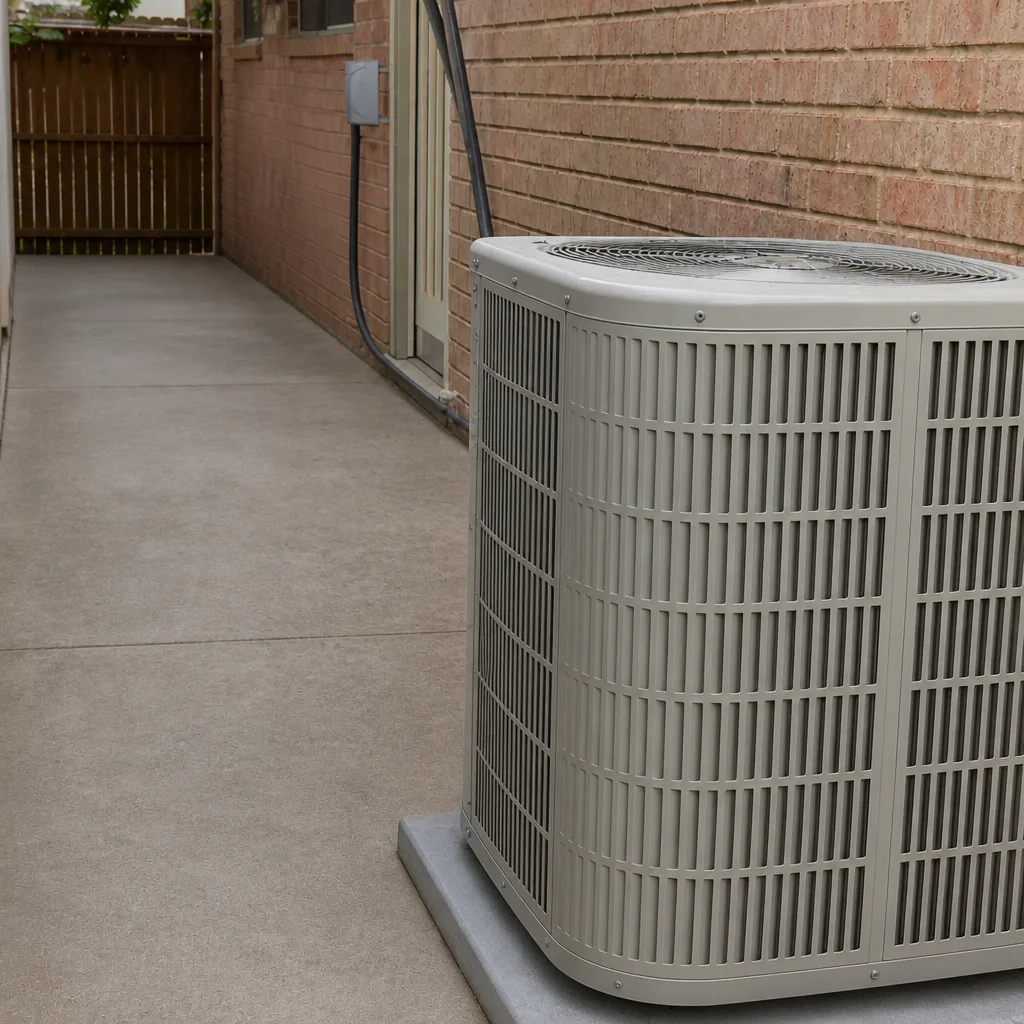
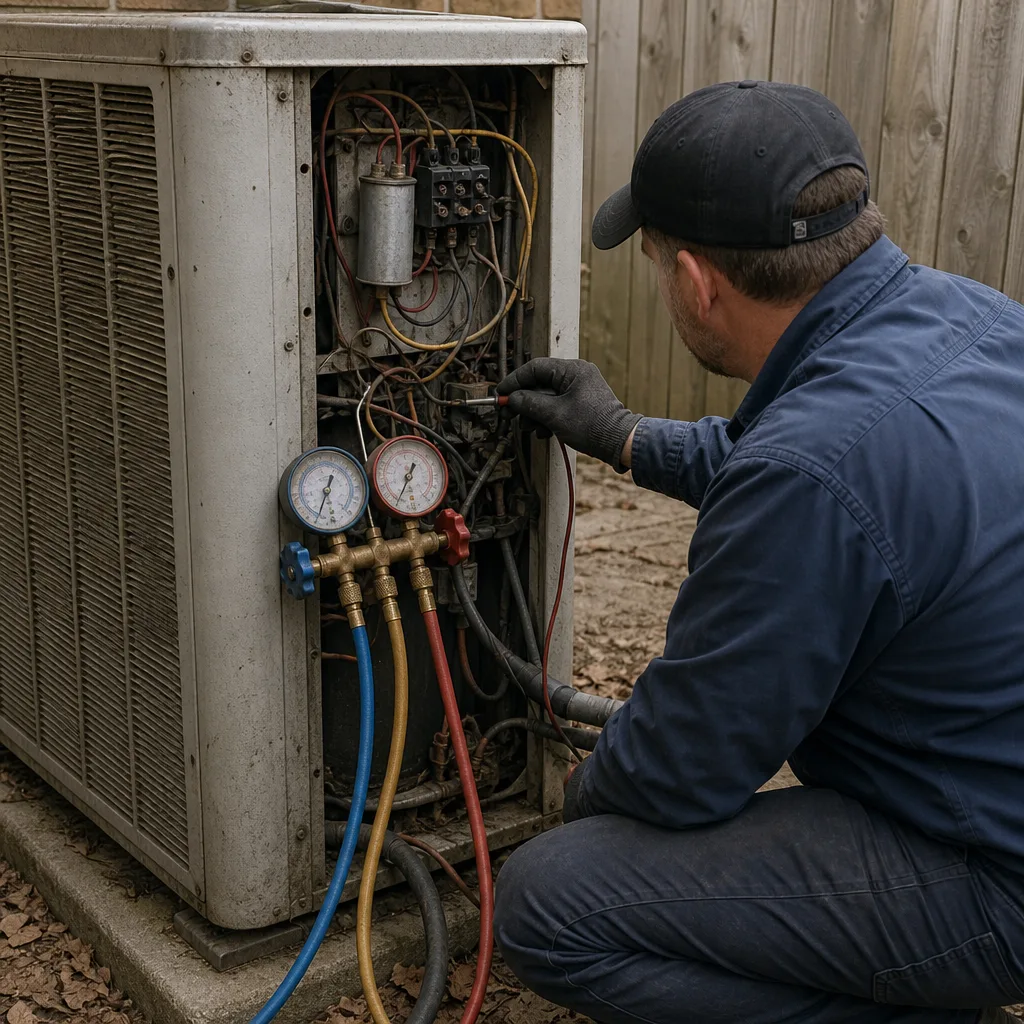
See the difference
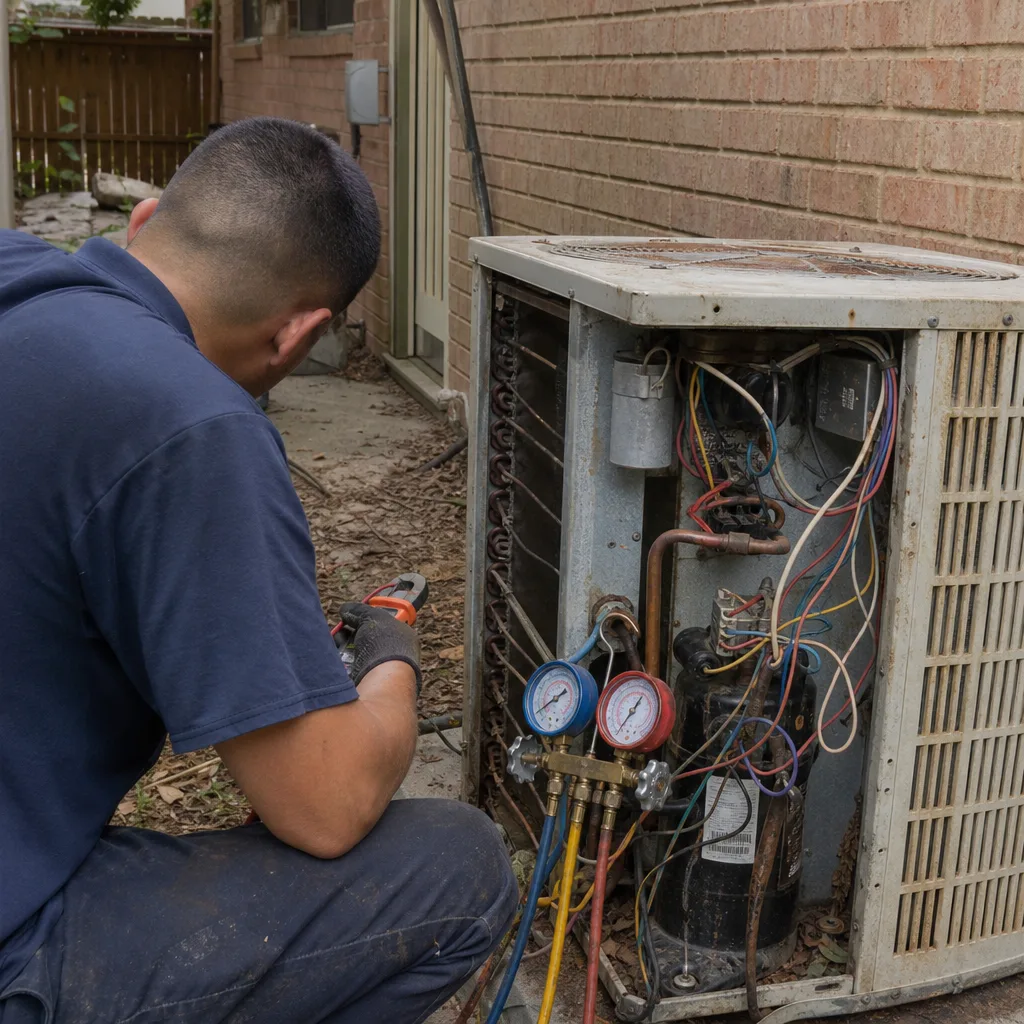 Before
 After
 Before
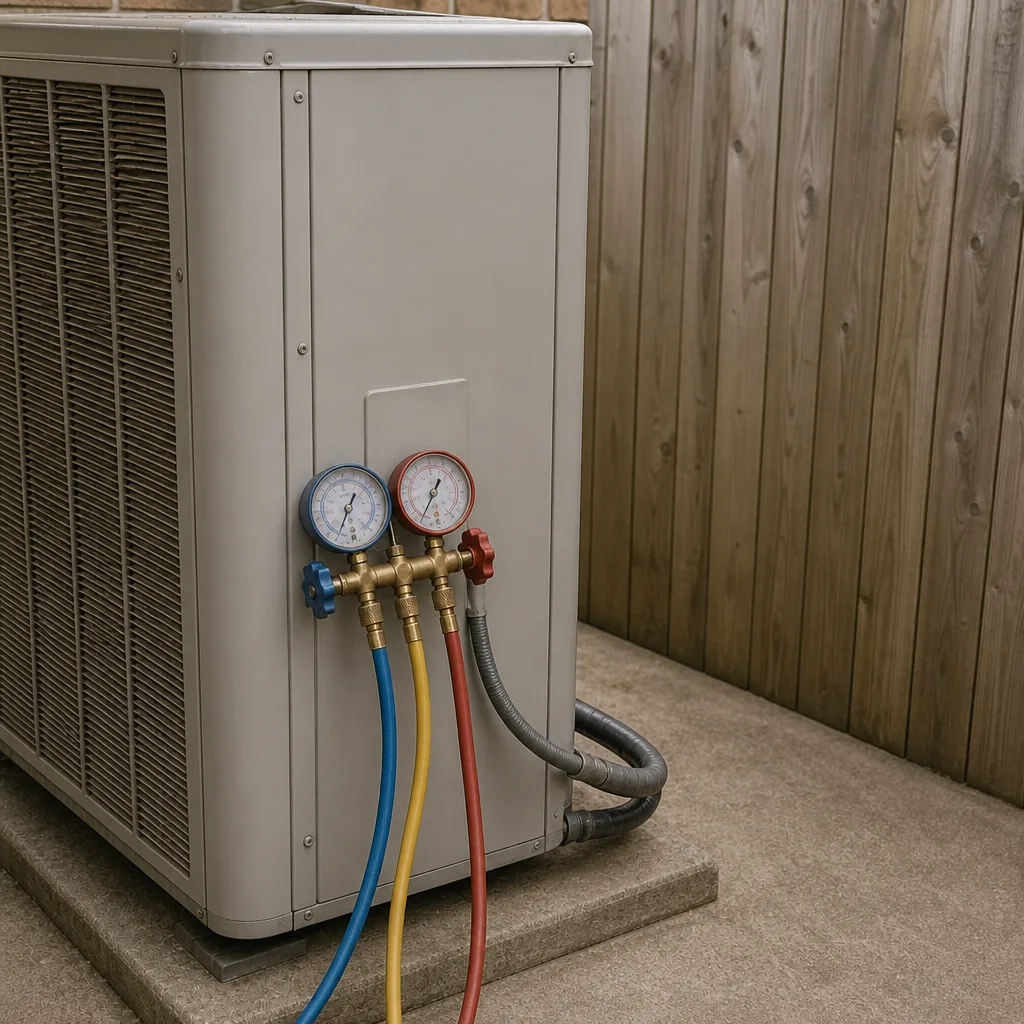 After
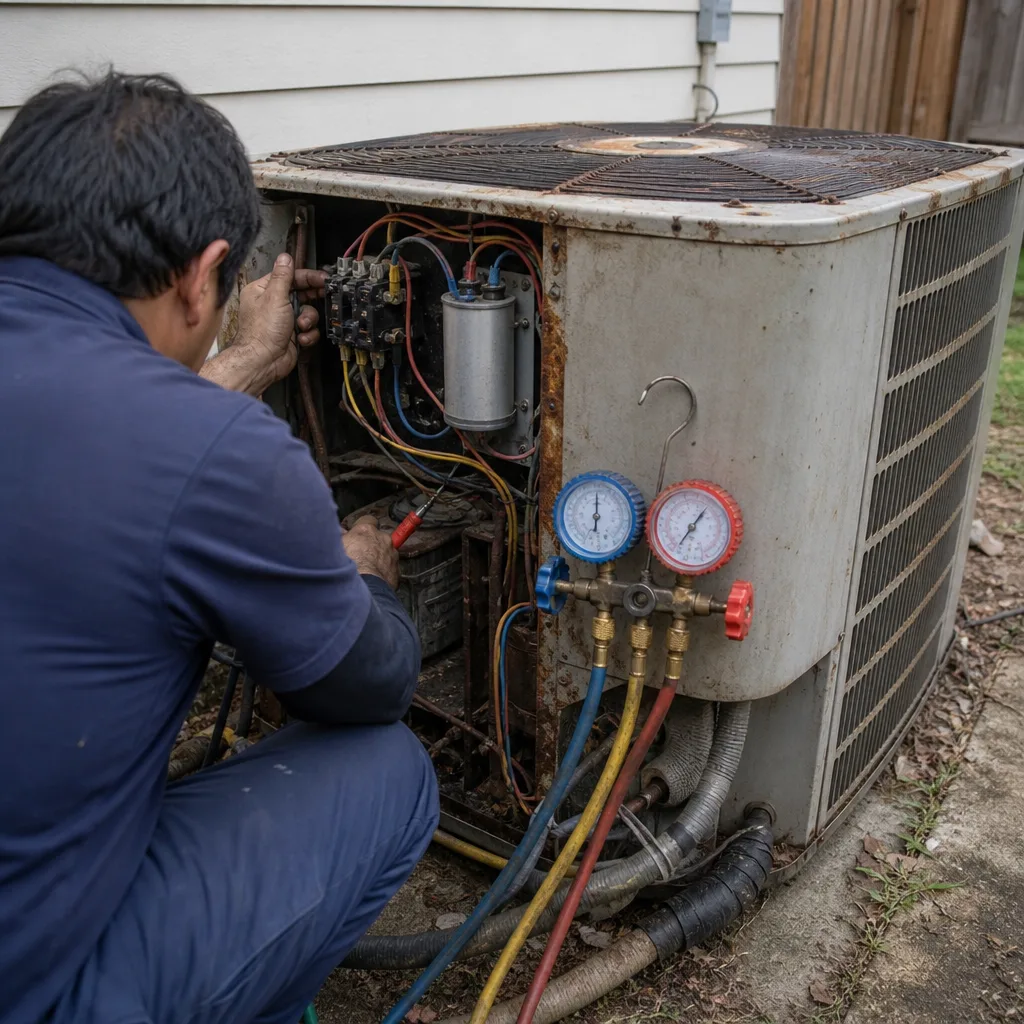 Before
 After
When to Call a Professional
Some HVAC problems are cosmetic. Some are dangerous to ignore. Call a licensed professional for any of these:
- The system is blowing warm air on a hot day, or the furnace isn’t producing heat.
- You smell gas near the furnace.
- The system is tripping the circuit breaker.
- The compressor or any component is making a loud, unusual noise.
- You have a refrigerant leak, or the system is low on refrigerant.
- You’re replacing a system and need a load calculation.
Gas smells and electrical issues deserve particular caution. Don’t attempt to diagnose a gas leak or troubleshoot the equipment yourself; shut off what you safely can and call a licensed technician.
Kingsley AC Repair offers free estimates in Irving. Call (855) 473-9031. We answer 24/7. Fast dispatch from 7am to 7pm, Sunday through Friday. We’re closed on Saturday.
Frequently Asked Questions
Yes. Texas requires HVAC contractors to be licensed through the TDLR, and that applies to minor repairs as well as installation. Even a small repair involves refrigerant handling, electrical components, and system-specific knowledge, and an unlicensed technician working on your system can void warranties and put you at risk. Verify the company license and ask about the technician’s individual registration before they arrive.
Go to the TDLR website and search the company name. Check that the license is active and that the scope of work matches your job. Then ask, when you book the appointment, whether the technician coming to your home is individually licensed and registered. Both the company and the individual technician should check out. Call (855) 473-9031 for a free estimate.
A complete written estimate should include the equipment model number, tonnage and efficiency rating; parts and labor breakdown; scope of work with inclusions and exclusions; permit requirements; warranty terms for equipment and labor; timeline; and the contractor’s TDLR license number. Any estimate missing key items like refrigerant recovery or ductwork condition should be questioned before you accept it.
A load calculation determines the correct system size for your home based on square footage, window area, insulation, ductwork, and local climate. Without it, a contractor is guessing, and both oversized and undersized systems perform poorly. Irving’s long, hot summers make correct sizing especially important. Any contractor who skips the load calculation on a replacement job should not be hired.
Common DFW red flags include storm-chaser contractors who appear after hail events and leave once the work dries up, private-equity-acquired companies that rotate technicians and push sales quotas, bait-and-switch diagnostic fees, and contractors who recommend full replacement without explaining why repair isn’t viable. Always verify the TDLR license and ask about the company’s local operating history.
The answer depends on the system’s age, the cost of the repair relative to replacement, how many repairs you’ve needed recently, and parts availability. A system past the middle of its expected service life with a major component failure is usually a replacement candidate. A younger system with a failed capacitor or contactor is usually a repair. A brand-neutral contractor will give you a straight answer based on the system’s condition, not on replacement quotas. Call (855) 473-9031 for a free estimate.
The Bottom Line
Hiring an HVAC contractor in Irving comes down to verification and questions. Verify both the company and the individual technician through TDLR. Ask five specific questions about brand competency and diagnostic process. Read the written estimate for what’s missing as carefully as what’s there. Demand a load calculation on any replacement job. And watch for the DFW-specific red flags: storm chasers, quota-driven sales, and diagnostic fee bait-and-switch. The contractor who answers your questions clearly, explains their reasoning, and recommends repair when repair makes sense is the one worth hiring. That’s the bar every job at Kingsley AC Repair is held to.
Kingsley AC Repair serves Irving with AC repair, AC installation, and furnace repair. We’re trained on Carrier, Trane, Lennox, Goodman, Rheem, York, Daikin, Bryant, and American Standard. Call (855) 473-9031 for a free estimate. We answer 24/7. Fast dispatch from 7am to 7pm, Sunday through Friday.
Written by the team at Kingsley AC Repair, serving Irving since 2014.