
Last updated November 14, 2026
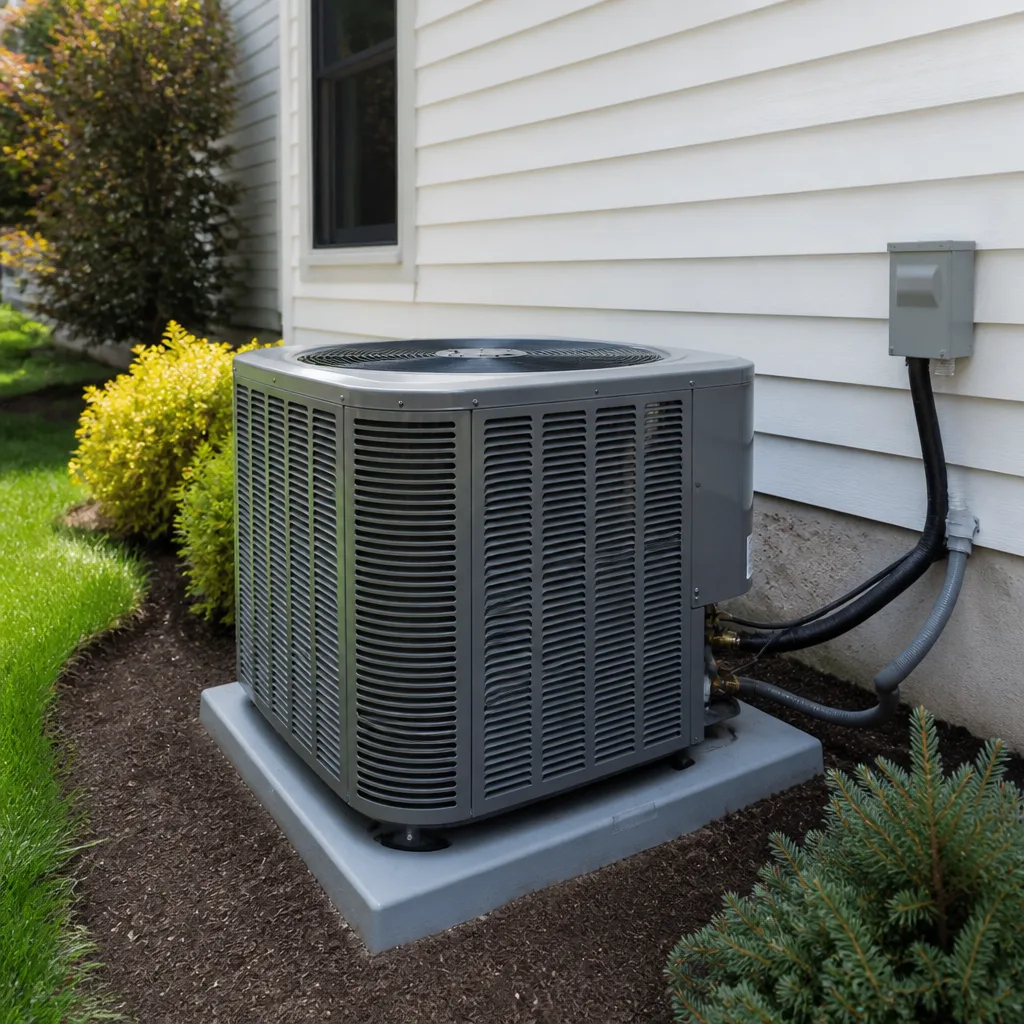 AC repair
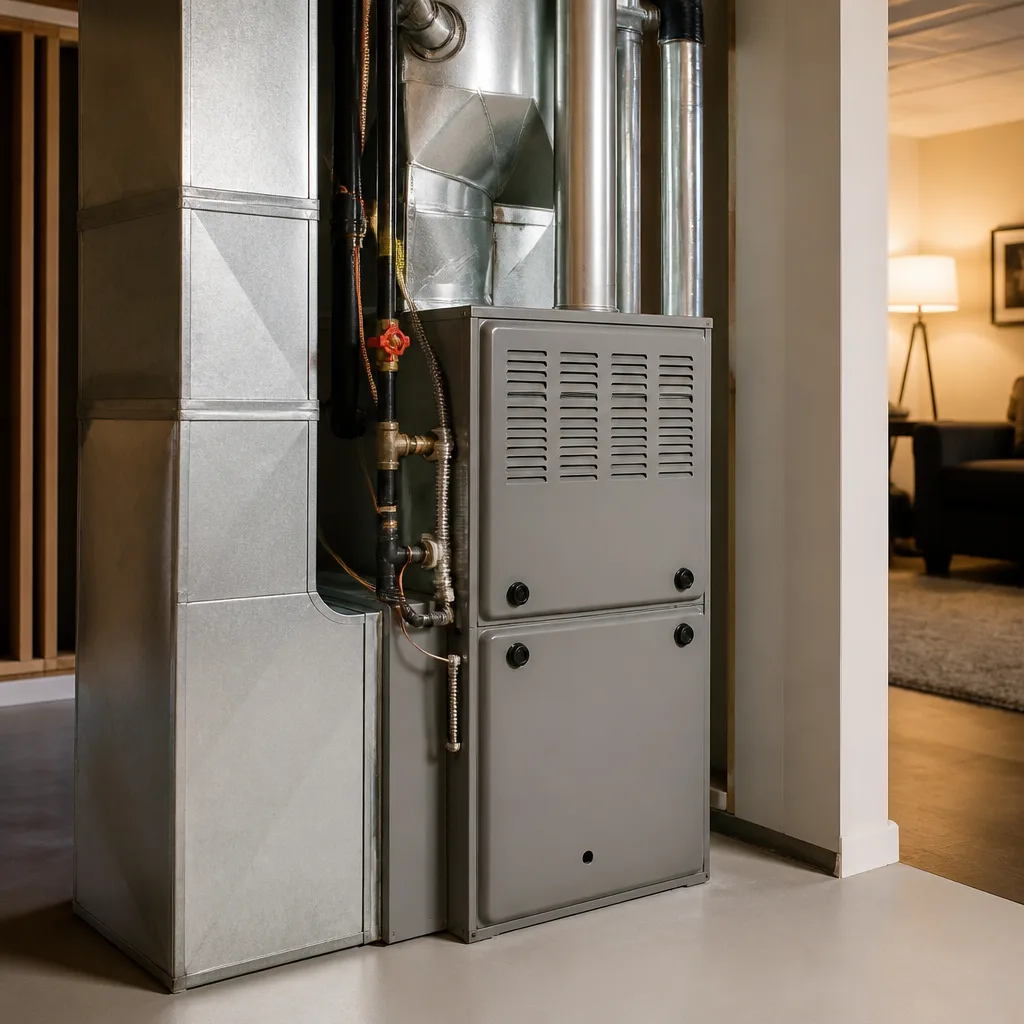 Furnace & heating
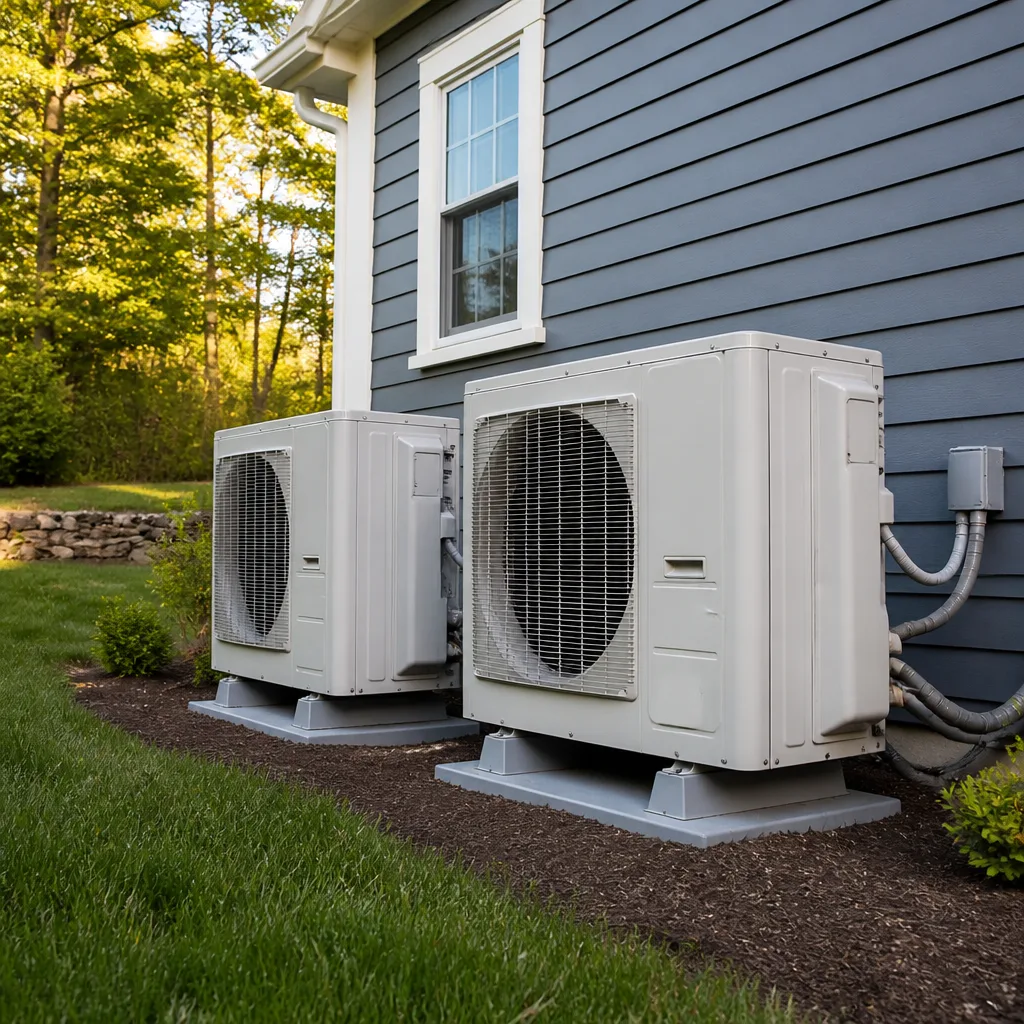 Heat pumps
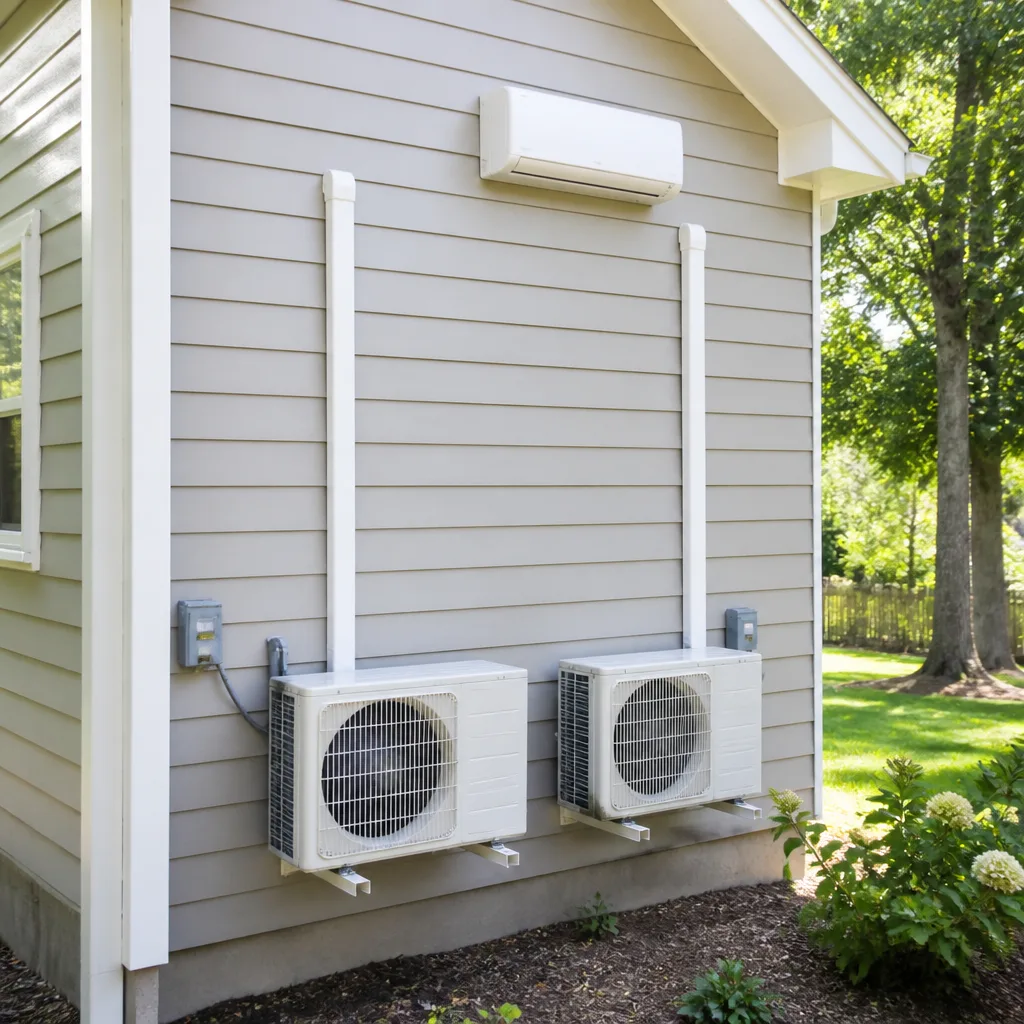 Ductless mini splits
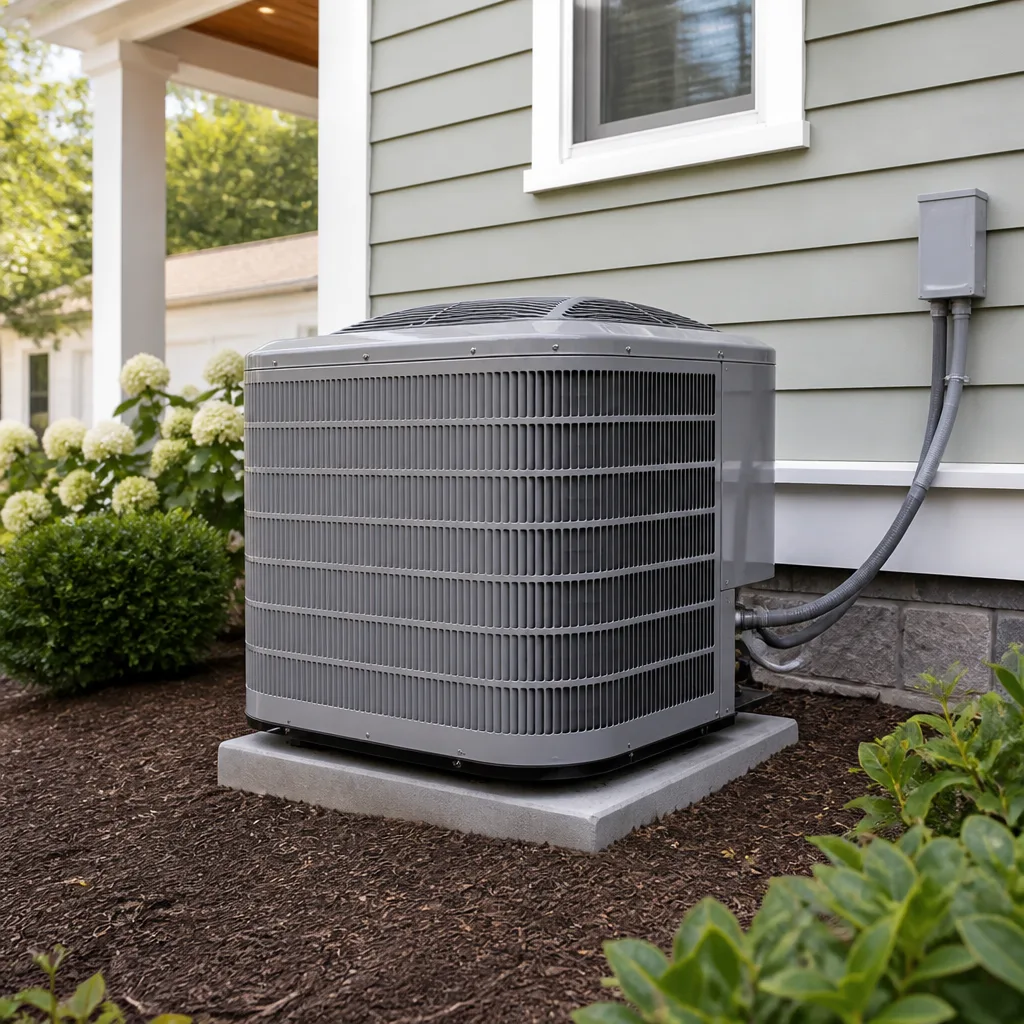 Carrier
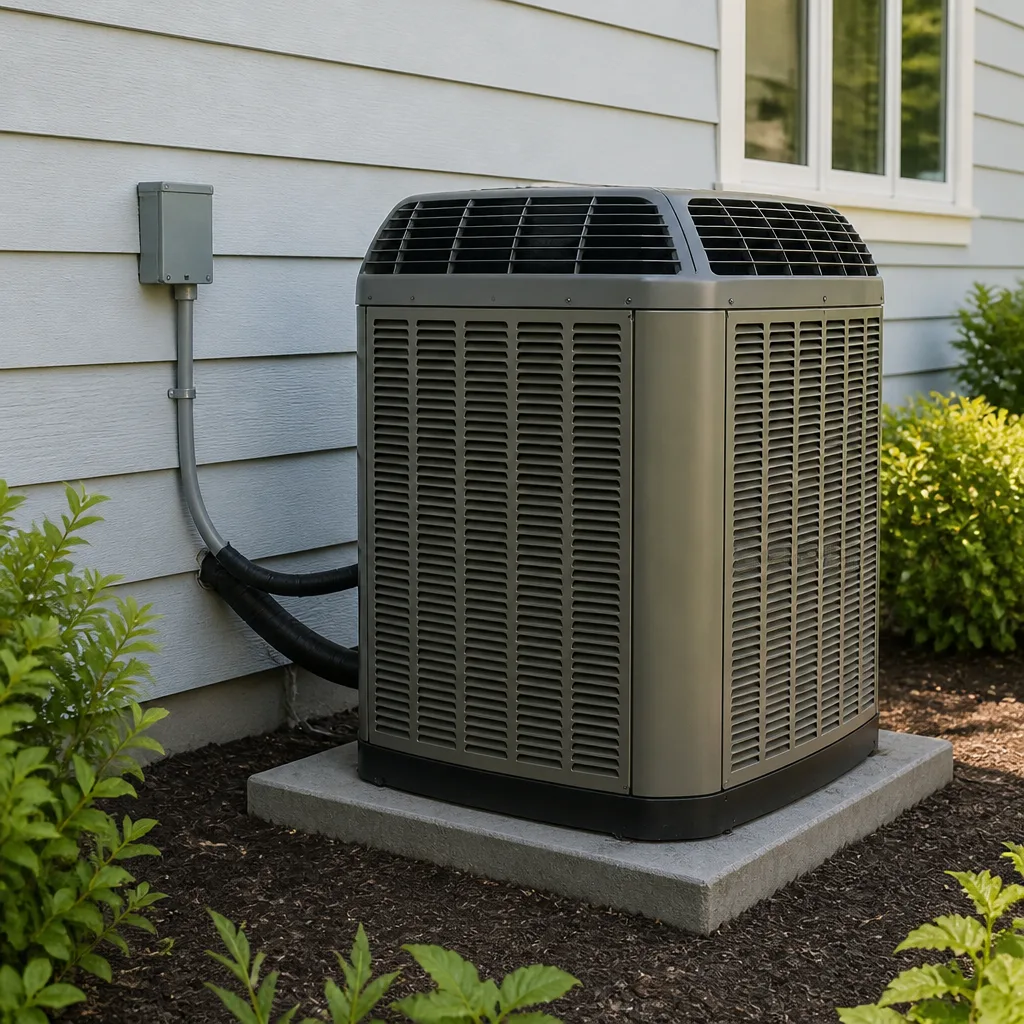 Trane
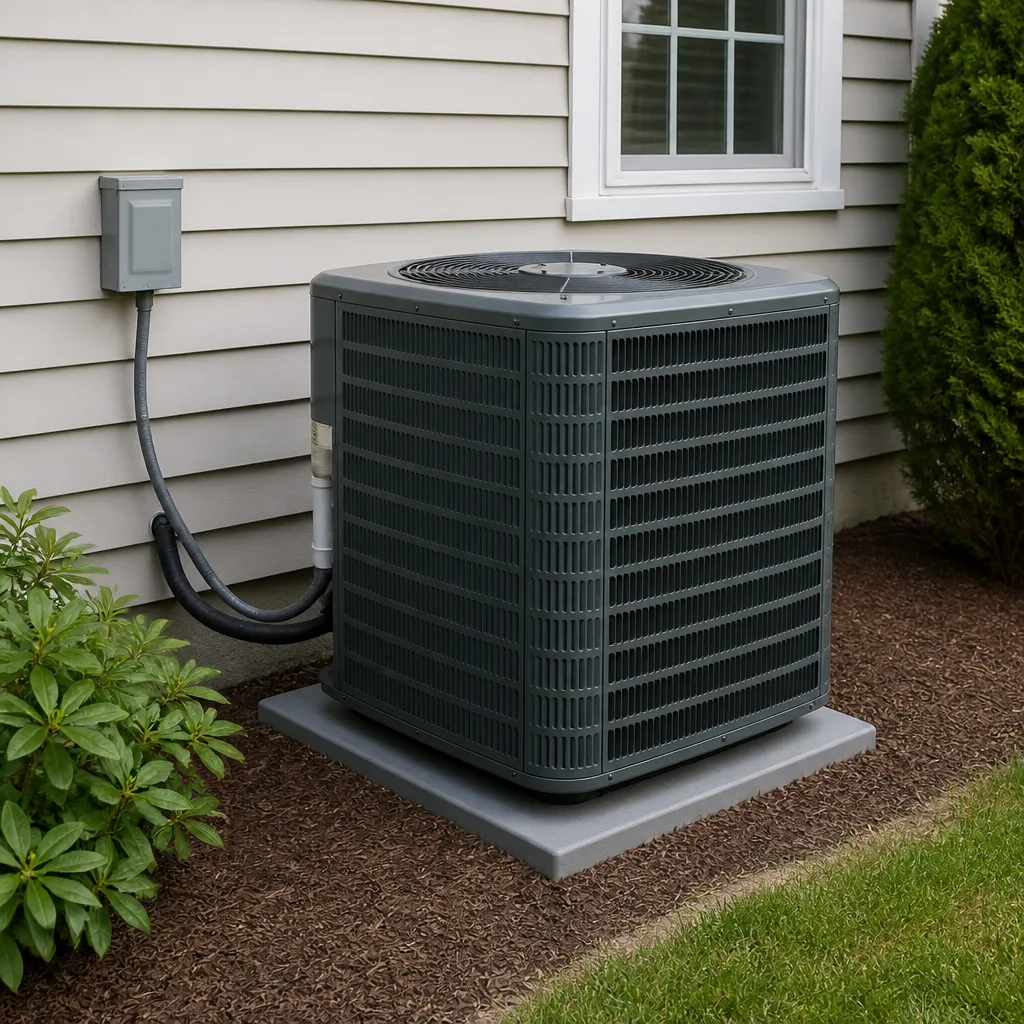 Goodman
Seasonal tune-up and full diagnostic on your Carrier, Trane, or Goodman system - readings shown to you before any repair is proposed
Diagnosis first, numbers second - you approve the repair price before a single part goes in.
Get your free estimateThe Complete AC Repair Guide for Irving Homeowners
Most AC repair guides are written for a generic American summer, and that’s the problem. Irving runs hotter and longer than the country most of those guides describe, so your system works harder, ages faster, and fails in ways a guide written for a mild climate won’t warn you about. The advice that fits a house in Ohio can be flat wrong for a slab foundation in the Las Colinas heat. This guide is built for Irving specifically: the climate load, the soil, the housing stock, and the equipment brands that fill local neighborhoods. By the end, you’ll know what to check first, what can safely wait, and when to call.
Quick Answer
If your AC isn’t cooling, start with the cheap checks (thermostat setting, breaker, air filter, outdoor unit) before assuming the worst. Most Irving cooling failures come down to a handful of causes: low refrigerant from a slow leak, a failed capacitor or contactor, a clogged condensate drain, or a dirty condenser coil struggling against a long hot season. A trained technician can confirm which one you’re facing with a proper diagnostic, and Kingsley AC Repair offers free estimates in Irving.
Styles & brands we work with
- AC repair
- Furnace & heating
- Heat pumps
- Ductless mini splits
- Carrier
- Trane
- Goodman
Table of Contents
- Why Irving’s Climate Is Hard on Your AC
- How Irving’s Clay Soil and Slab Foundations Affect Your System
- What Your AC Is Telling You: A Symptom Guide
- Brand-by-Brand: What Fails First on Irving Equipment
- The June-vs-September Test: Urgent Repair or Can It Wait?
- Reading Your Utility Bill to Catch Decline Early
- Permits and Code: What Irving Requires for Refrigerant Work
- What You Can Safely Check Yourself
Why Irving’s Climate Is Hard on Your AC
Irving spends a large stretch of every summer above 100°F, and the system in your attic or closet doesn’t get a break when the sun goes down. Long, hot days mean the compressor runs near peak load for months at a time. That matters for repair because heat accelerates wear on the parts that do the most physical work: capacitors, contactors, fan motors, and the compressor itself. A unit that would last comfortably in a cooler climate is being asked to work roughly double the seasonal hours it was tested against in some parts of the country.
The roof is where this load hits hardest. Attic air in an Irving summer can run far hotter than outdoor air, and if your air handler or ductwork sits up there, the equipment is fighting the heat around it as well as the heat inside your home. That’s why we tell homeowners to look at attic insulation and duct sealing alongside any repair. A system that keeps tripping a breaker or struggling to hold temperature may be telling you the envelope around it is leaking just as much as it’s telling you a part is failing.
A few Irving-specific climate points worth holding onto:
- Peak-load months stress capacitors and contactors first; these are cheap parts with big consequences when they fail.
- Dust and pollen load the outdoor condenser coil faster during a long cooling season, and a dirty coil raises head pressure and shortens compressor life.
- The shoulder months (spring and fall) are when a small issue you ignored in July turns into a no-cool call.
- Homes near the airport and the older corridors of south Irving see more airborne dust than newer builds up north, which means filters and coils need attention sooner.
None of this is meant to alarm you. It’s meant to reframe the question from “is my AC broken?” to “is my AC working harder than it should?” Those are different questions, and the second one catches problems earlier.
How Irving’s Clay Soil and Slab Foundations Affect Your System
Here’s a failure point most repair guides skip entirely: the ground beneath your condenser. Irving sits on expansive clay soil, and that clay swells when it’s wet and shrinks when it dries. A Texas summer dries it out for months. Over years, that shrink-and-swell cycle moves the concrete pad your outdoor unit sits on, and a pad that tilts pulls the refrigerant line set with it. Line sets are the copper lines running from the condenser into the house, and they don’t like being flexed. A pad that’s settled unevenly can stress a braze joint or a flare connection until it starts to weep refrigerant.
That’s why a slow refrigerant leak in an Irving home isn’t always a manufacturing defect. Sometimes it’s the ground moving under the equipment. When we diagnose a low-charge system, we’re looking at the line set and the pad, not just the coil.
What to watch for around the outdoor unit:
- A pad that’s visibly tilted, cracked, or sitting lower on one side.
- Copper lines that look bent, kinked, or pulled tight where they enter the wall.
- Oil residue or dirt clinging to a line joint, which can mark a slow leak.
- Water pooling against the pad after rain, which worsens the clay movement.
Slab foundations on the house side matter too. Lines that run under or through a slab are harder to inspect, and a leak there can go unnoticed longer. If your system keeps losing charge and nobody can find the leak at the coil or the outdoor connections, a technician should be looking at the full line run. This is one of the reasons we take pad and line-set condition seriously on every call, not just the obvious part failure. It’s the kind of detail that separates a focused HVAC specialist from a generalist who only looks at what’s easiest to reach.
What Your AC Is Telling You: A Symptom Guide
Your system rarely fails without warning. It gives you signals first, and reading them correctly is the difference between a quick repair and a replacement. Here’s how the common symptoms map to likely causes, drawn from what we see across Irving homes.
- Weak airflow from the vents. Start with the air filter, then suspect a failing blower motor, a duct problem, or a coil that’s iced over. Weak airflow is the most common “it’s not cooling” complaint and the easiest to trace.
- Warm air with the system running. The compressor may not be starting (often a capacitor or contactor), or the system may be low on refrigerant. Don’t keep running it; a compressor trying to start on a dead capacitor can burn itself out.
- Ice on the indoor coil or the outdoor lines. That’s a refrigerant or airflow problem, not a sign the system is cooling well. Turn it off and call for a diagnostic.
- Water around the indoor unit. A clogged condensate drain line is the usual culprit. In a humid Irving summer, drain lines fill with algae and debris faster than homeowners expect.
- Clicking, buzzing, or a hard start. Electrical components. A contactor that’s pitted or buzzing is a fire-risk part that should be replaced, not ignored.
- Short cycling (on and off rapidly). Could be an oversized system, a thermostat issue, or a refrigerant charge problem. It wears the compressor and raises your bill.
If you’re seeing more than one of these, the odds go up that it’s a system-level problem rather than a single part. A proper diagnostic sorts that out before anyone recommends a repair. You shouldn’t have to explain your equipment to your technician, and you shouldn’t have to guess at what a symptom means either.
Brand-by-Brand: What Fails First on Irving Equipment
Irving homes run the full spectrum of equipment, and the brands installed across the metro reflect that. We’re trained and equipped to service nine major manufacturers: Carrier, Trane, Lennox, Goodman, Rheem, York, Daikin, Bryant, and American Standard. Knowing your brand and its age tells a technician a lot about where to look first, because every manufacturer has patterns in what tends to fail and when.
Here’s a rough map of what we see, keeping in mind that installation quality and maintenance history matter as much as the badge on the unit:
- Rheem and York units tend to hold up well on the mechanical side, and when they do act up, the issue is often a control board or a blower component rather than the compressor. On older Rheem systems, an aging defrost or control relay is worth checking early.
- Daikin and Bryant equipment often shows efficiency loss from a dirty coil or a refrigerant charge that’s drifted over time rather than a hard part failure. Daikin’s inverter-driven systems can throw a fault code that points straight at the problem, which speeds up diagnosis when the technician reads it correctly.
- Older single-stage units from any of the nine brands are more prone to capacitor and contactor failures because those parts simply wear with the number of start cycles, and an Irving summer racks up plenty.
- Newer high-efficiency variable-speed systems live or die on proper installation and airflow. When one underperforms, the fix is often commissioning and ductwork, not a parts swap.
The point isn’t that brand X is good and brand Y is bad. It’s that your system’s symptoms should be read against its make, its age, and the way it was installed. Brand-neutral diagnostics mean recommendations come from what your system actually needs, not from which manufacturer pays a referral fee. Nine brands, one standard: that’s how we approach every call.
The June-vs-September Test: Urgent Repair or Can It Wait?
Not every symptom needs a technician today, and knowing which can wait protects your wallet without risking your system. The dividing line is whether the problem is likely to cause cascading damage, whether it’s a safety issue, and whether waiting could affect your warranty.
Treat it as urgent if any of these are true:
- The compressor won’t start, or the system trips a breaker repeatedly. Running it can turn a part repair into a compressor replacement.
- You see ice on the coil or lines, or smell burning near the air handler. Electrical problems and refrigerant problems both get worse, not better, with time.
- Water is pooling around the indoor unit or ceiling. A clogged drain can cause water damage and, in a hot attic, mold.
- It’s peak summer and the house won’t hold temperature. Heat isn’t just uncomfortable; it’s a health risk for older adults, young children, and anyone with a medical condition.
You can usually schedule a repair rather than rush it if the symptom is a small airflow complaint, a noisy outdoor fan that still runs, or a thermostat that acts up but the system otherwise cools. Even then, don’t let it ride into the following summer.
Warranty is the wildcard. Some manufacturer warranties require that repairs be done by a qualified technician and that maintenance be kept up, so a small ignored issue that turns into a major failure can complicate a claim. When in doubt, get a diagnostic and let a professional tell you whether it’s safe to wait. In our experience, the homeowners who call early on a small symptom are the ones who avoid the big bill later.
Reading Your Utility Bill to Catch Decline Early
Your electric bill is a diagnostic tool if you learn to read it. A system that’s losing efficiency shows up there before it fails, because a struggling AC draws more power to do the same cooling. Watch for a month-over-month increase that doesn’t match the weather. If July looks like last July outside but your bill is noticeably higher, something in the house is working harder.
Pair the bill with runtime. If your system is running longer to hit the same thermostat setting it used to reach easily, that’s a signal. A few things cause this pattern:
- A dirty condenser coil or filter. Restricted airflow forces the system to run longer and run hotter. This is the most common and cheapest fix.
- Low refrigerant. The system runs longer because it can’t transfer heat efficiently, and the compressor works harder.
- Duct leaks. Cooled air escapes into the attic before it reaches a room, so the system runs longer to compensate. In Irving attics, this is a real and common loss.
- A failing compressor or blower. Near end of life, these draw more current and cool less.
You don’t need to be an engineer to spot the trend. Compare the same month across a couple of years on a per-degree basis and you’ll see the drift. When you do call for a diagnostic, tell the technician the runtime has crept up and the bill has climbed. That’s the kind of context that shortens a diagnosis and points straight at efficiency loss before it becomes a breakdown. For repairs that restore that lost efficiency, our AC repair service starts with exactly this kind of systematic check.
Permits and Code: What Irving Requires for Refrigerant Work
This is the part many homeowners never think about until something goes wrong. Refrigerant work and system replacements are regulated, and the rules protect you as much as the environment. Refrigerant handling requires a certified technician under federal rules, and Irving, like most Texas cities, requires a permit for a full system replacement so the work can be inspected. A contractor who’ll do a replacement without a permit is cutting a corner that can come back on you at resale or in an insurance claim.
What to confirm before work starts:
- The technician is certified to handle refrigerant. Ask; it’s a straightforward yes-or-no.
- A permit is pulled for a replacement. The city’s building department can confirm what’s required for your job.
- The contractor is licensed and insured. Don’t take a verbal assurance; ask to see it.
- You get the estimate in writing, with the scope spelled out, before any work begins.
We won’t tell you a specific code section or inspection timeline, because those details are best confirmed with Irving’s building department for your address and job. What we will tell you is that a reputable HVAC company expects these questions and answers them without flinching. When a replacement is on the table, our AC installation service handles the permit and inspection side so the work is done to code and documented.
What You Can Safely Check Yourself
Some checks are safe and worth doing before you call. Others aren’t, and knowing the difference keeps you out of the emergency room. Here’s the safe list, then the do-not-touch list.
Safe to check yourself:
- Confirm the thermostat is set to COOL and the temperature is below the room temperature.
- Check the air filter and replace it if it’s visibly dirty. A clogged filter causes a surprising share of “not cooling” calls.
- Check the breaker at the panel. If it’s tripped, reset it once and see if it holds. If it trips again, stop and call.
- Look at the outdoor unit. Is it running? Is there debris, grass clippings, or a blocked coil? Clear the area around it.
- Check the condensate drain pan for standing water and note it.
Do not attempt yourself: opening the electrical panel or the outdoor unit’s electrical compartment, handling refrigerant lines or adding refrigerant, or working on the compressor. Refrigerant is under pressure and can cause serious injury, and the electrical components carry lethal voltage even with the thermostat off. These are jobs for a trained professional, full stop. A technician who respects the danger will tell you the same thing, and any “repair” that asks you to handle refrigerant or open a live electrical compartment isn’t a repair you should attempt.
Common Mistakes to Avoid
- Replacing the system when a part would do. A failed capacitor or contactor can look like a dead system to a homeowner. Get a real diagnostic before anyone quotes a replacement, because the right fix is often a fraction of the cost.
- Ignoring a slow leak because the system “still cools.” Low refrigerant means the compressor is working harder every day. In an Irving summer, that’s a countdown to a compressor failure that a leak repair could have prevented.
- Letting the outdoor coil go dirty. Clay dust and pollen load the condenser over a long season, and a dirty coil raises pressure and shortens equipment life. Wash-down and coil cleaning are part of keeping the system alive.
- Skipping the permit on a replacement. Unpermitted work can surface at resale or in an insurance claim, and it usually means corners were cut elsewhere too.
- Calling a generalist for a brand-specific problem. A technician who doesn’t know your Rheem, York, Daikin, or Bryant equipment is learning on your dime. A specialist reads the fault codes and knows the failure patterns before they arrive.
- Waiting until it’s 105°F to call. The busiest week of the year is the worst time to need a diagnostic. Schedule a check in spring, when a small issue is still small.
- Choosing a contractor on price alone. The cheapest bid often means the fewest checks and the shortest-lived repair. What you want is a straight diagnosis and a written estimate, not a low number that grows later.
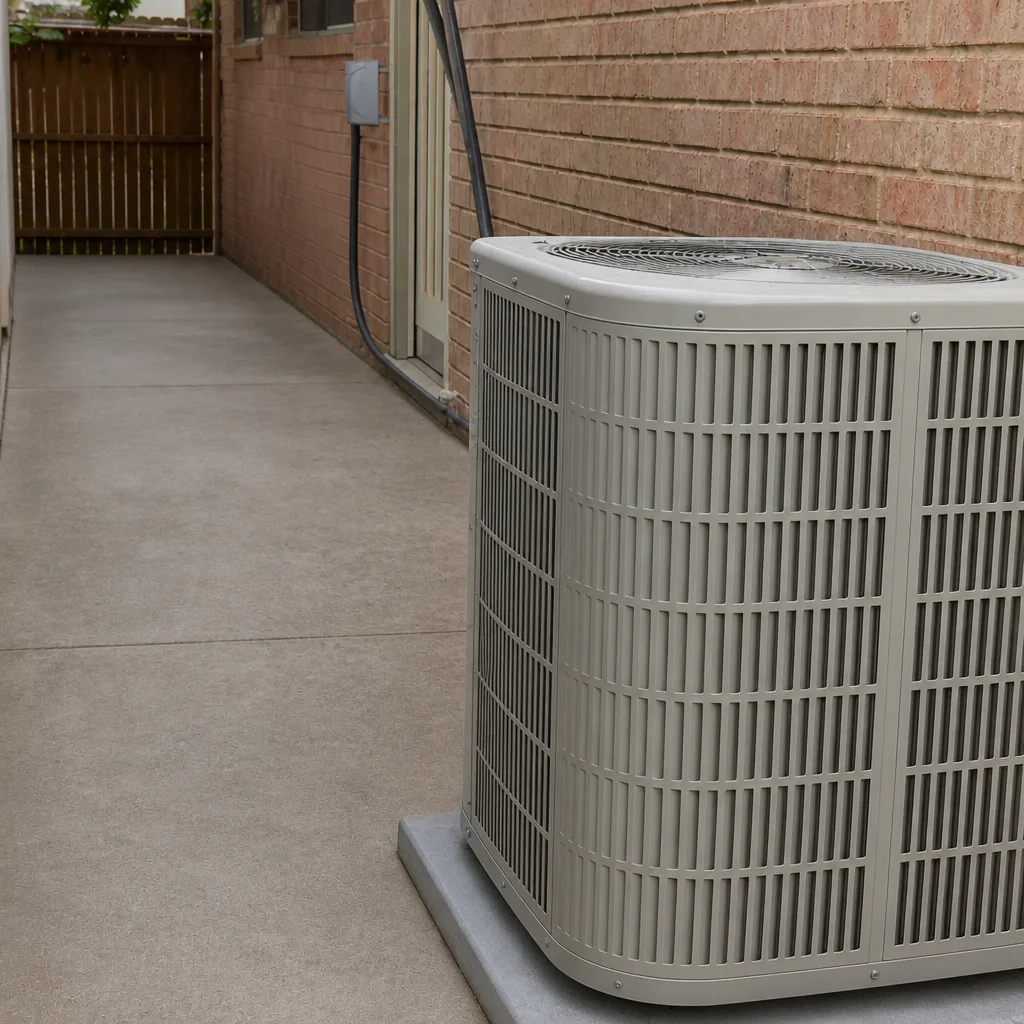
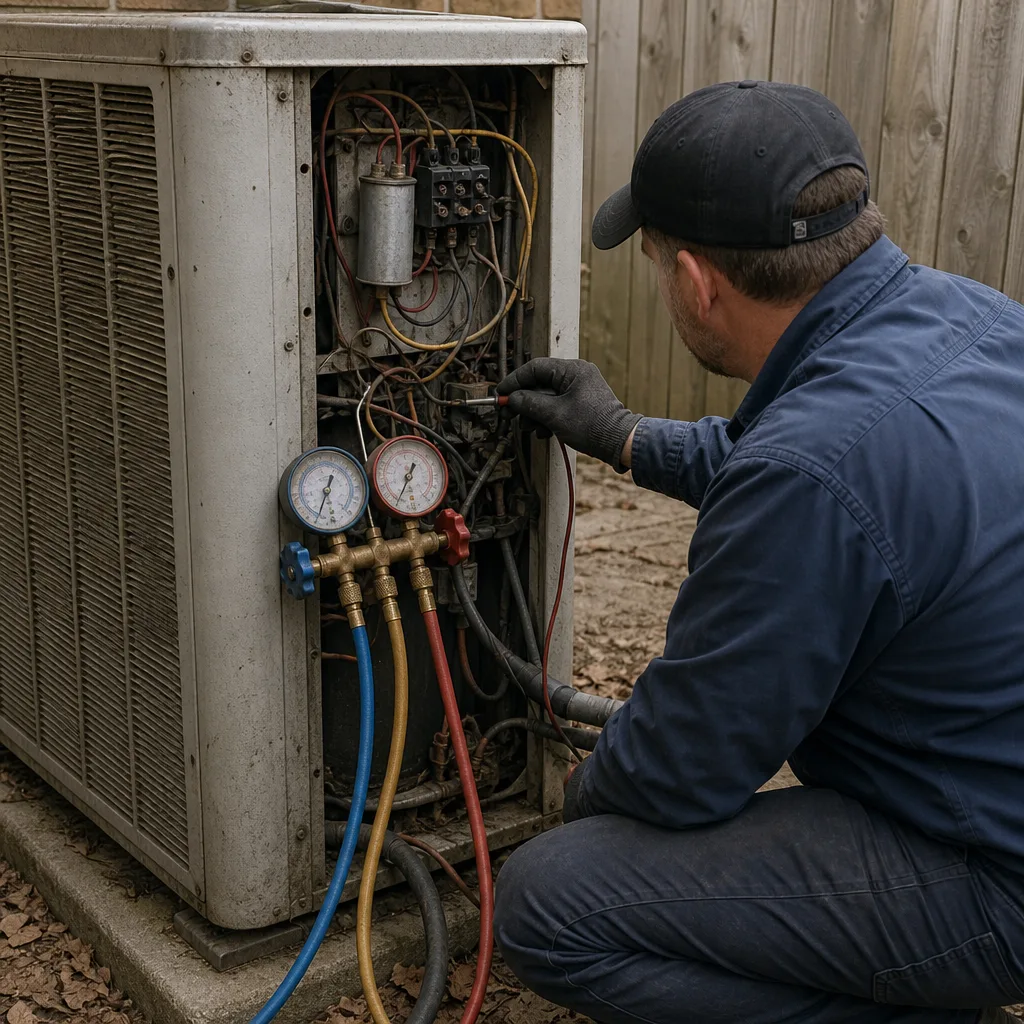
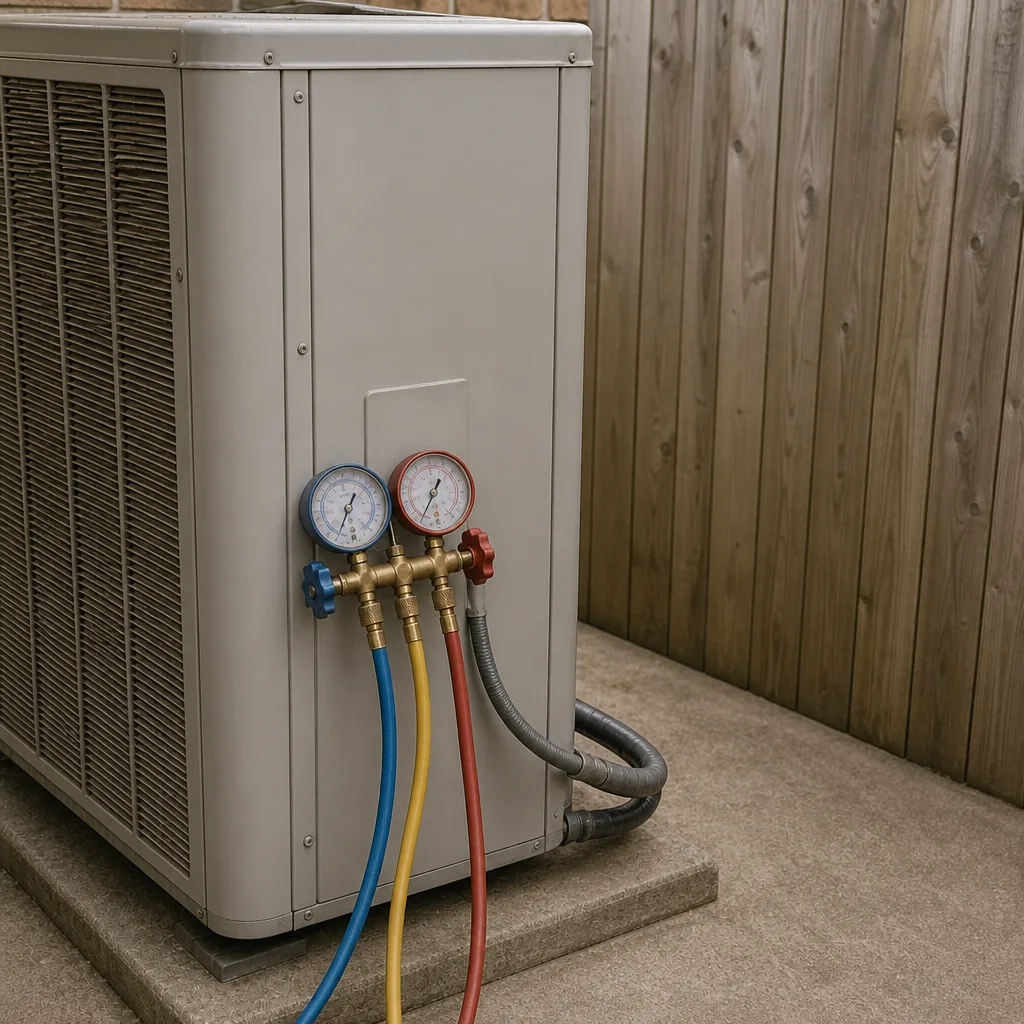
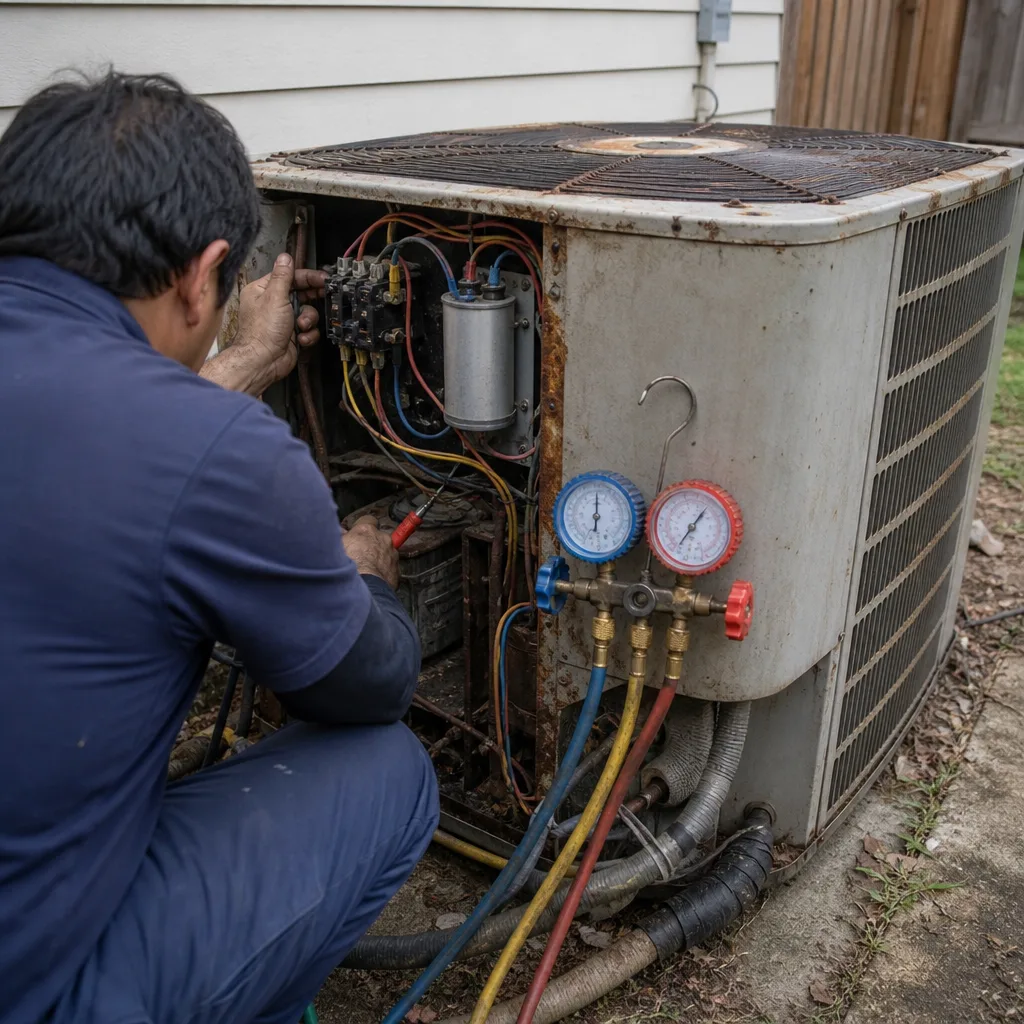
See the difference
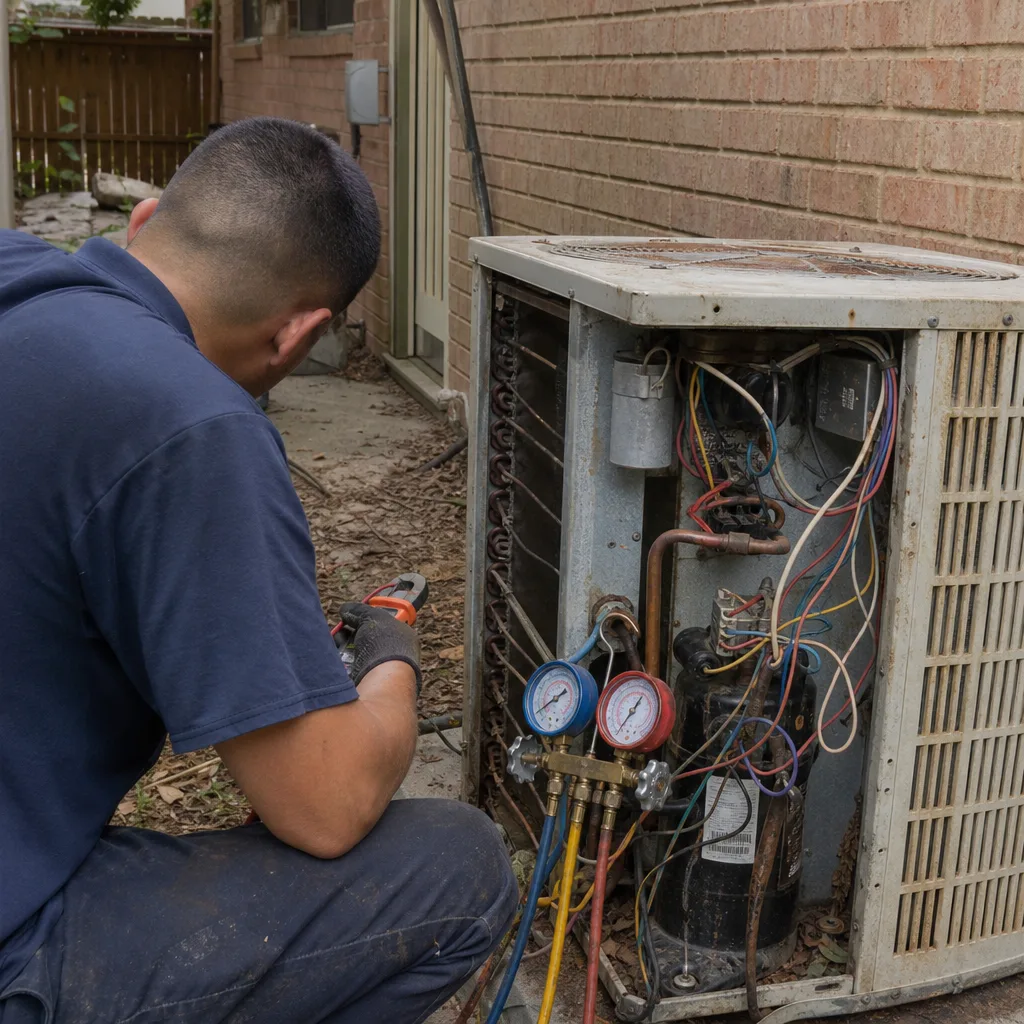 Before
 After
 Before
 After
 Before
 After
When to Call a Professional
Call a professional when the symptom points at refrigerant, electrical components, or the compressor; when the system trips a breaker, ices over, or won’t hold temperature in the heat; or when water is pooling around the indoor unit. Call when your bill climbs without a weather explanation, when the system short cycles, or when you’re weighing repair against replacement and want an honest answer. Don’t call a generalist for a brand-specific problem; call a specialist who knows your equipment. Kingsley AC Repair offers free estimates in Irving, and our team is trained across Carrier, Trane, Lennox, Goodman, Rheem, York, Daikin, Bryant, and American Standard. Reach us at Kingsley AC Repair and we’ll send an HVAC professional, not a jack-of-all-trades. Call (855) 473-9031. We answer 24/7. Fast dispatch from 7am to 7pm, Sunday through Friday.
Frequently Asked Questions
It depends on the job. A simple capacitor or contactor replacement is a small repair, a refrigerant leak search and repair sits higher, and a compressor replacement is the most expensive repair short of a new system. We don’t quote a flat number over the phone because a real diagnosis sets the price, and the written estimate you get before work begins is the price we hold to. Estimates are free, so call (855) 473-9031 for an exact quote.
In most cases, yes. We dispatch Sunday through Friday, 7am to 7pm, and same-day service is often available for no-cool calls during the cooling season. Call (855) 473-9031 early in the day to get the best shot at a same-day slot, and we’ll confirm the timing when you call.
Repair usually wins if the system is under roughly ten years old, the repair is a component rather than the compressor, and the system has been reasonably maintained. Replacement makes more sense when the compressor is failing, the system is older and repairs are stacking up, or efficiency loss and refrigerant problems keep coming back. We make that call based on the condition of your system and your situation, not on equipment quotas. Call (855) 473-9031 for an honest assessment and a free estimate.
Rebate programs change often, so the right answer for your address is best confirmed with your utility provider and with us when we quote the job. We can walk through what’s currently available for the equipment you’re considering and factor it into the estimate. Estimates are free, so call (855) 473-9031 and we’ll give you a straight, current answer.
Constant runtime with poor cooling usually means the system can’t transfer heat efficiently, most often from low refrigerant, a dirty condenser coil, a failing compressor, or restricted airflow. Ice on the coil is another sign of the same problem. Turn it off and get a diagnostic before the compressor takes the damage. Call (855) 473-9031 and we’ll sort out which of those it is.
We’re trained and equipped to service nine major manufacturers: Carrier, Trane, Lennox, Goodman, Rheem, York, Daikin, Bryant, and American Standard. That brand-familiarity is the whole point of calling us. You shouldn’t have to explain your equipment to your technician. If your AC’s brand is on that list, you’re in the right place. Call (855) 473-9031 for a free estimate on an Irving system that’s giving you trouble.
The Bottom Line
The short version: Irving’s long, hot summers make your AC work harder than a generic guide assumes, and that changes what you check first. Watch the pad and line set as much as the thermostat. Read your symptoms against your brand and age. Use the June-vs-September test to decide what’s urgent and what can wait. Realize that a permit and a certified technician aren’t optional on refrigerant work or a replacement. And when a symptom points at refrigerant, electrical parts, or the compressor, call a specialist rather than a generalist. That’s how a system survives an Irving summer and a homeowner avoids the big surprise. Heating and cooling, handled, under one roof, held to the Kingsley standard.
Ready to stop guessing? If your AC is short cycling, running long, or just not keeping up, don’t wait for the next 100°F day. Call (855) 473-9031 for a free estimate. We answer 24/7. Fast dispatch from 7am to 7pm, Sunday through Friday. We service nine leading brands and cover both cooling and heating, so the relationship we build on this repair carries into furnace season. You shouldn’t have to explain your equipment to your technician, and with us, you won’t.
Written by the team at Kingsley AC Repair, serving Irving since 2014.